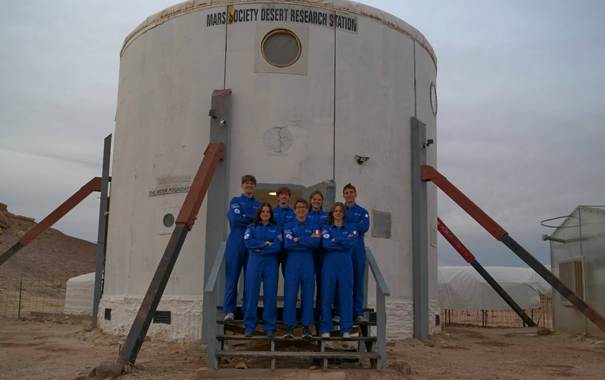
Mission Summary – Crew 335

Mission Summary

Mission: 335

Dates: April 19 – May 2, 2026

Author: Commander David Laude

This Mars simulation mission was the last of one or two per season that the Mars Society sponsors for non self-organized missions with an early May ending, just a few weeks before the URC (University Rover Challenge). That means, as a so-called Mars Society crew, we had no previous knowledge of one another, making for an unknown compatibility outcome. The self-organized mission will have an organizer such as a college professor presiding over a team from their college with common goals in mind, a team from the very start.

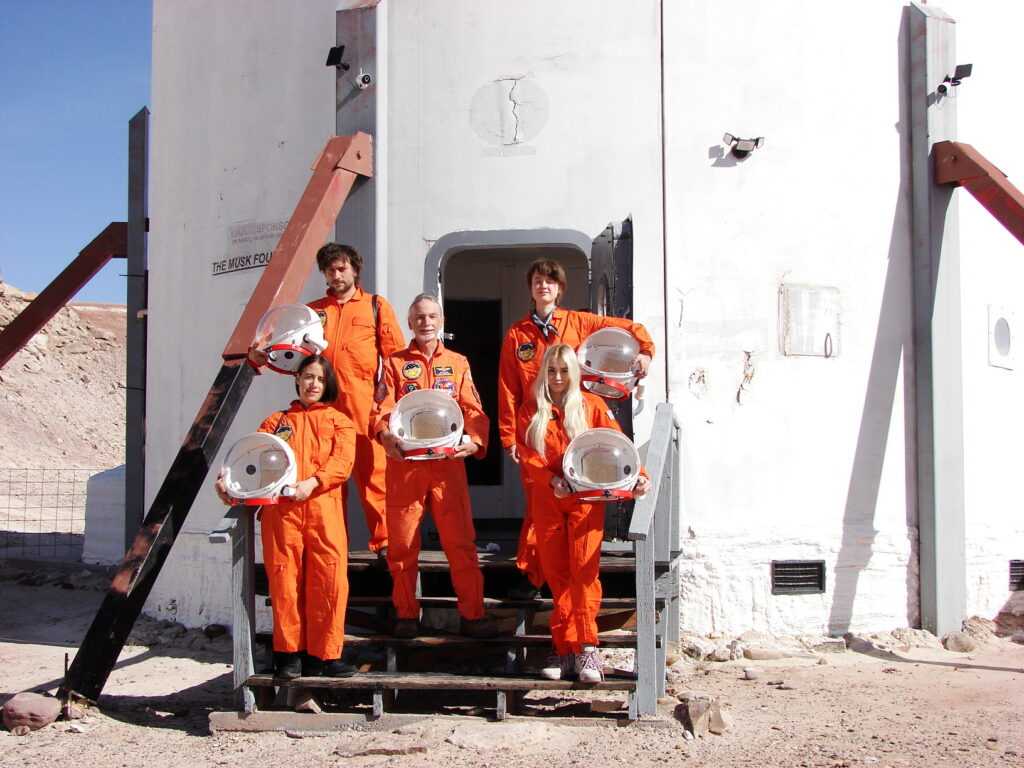
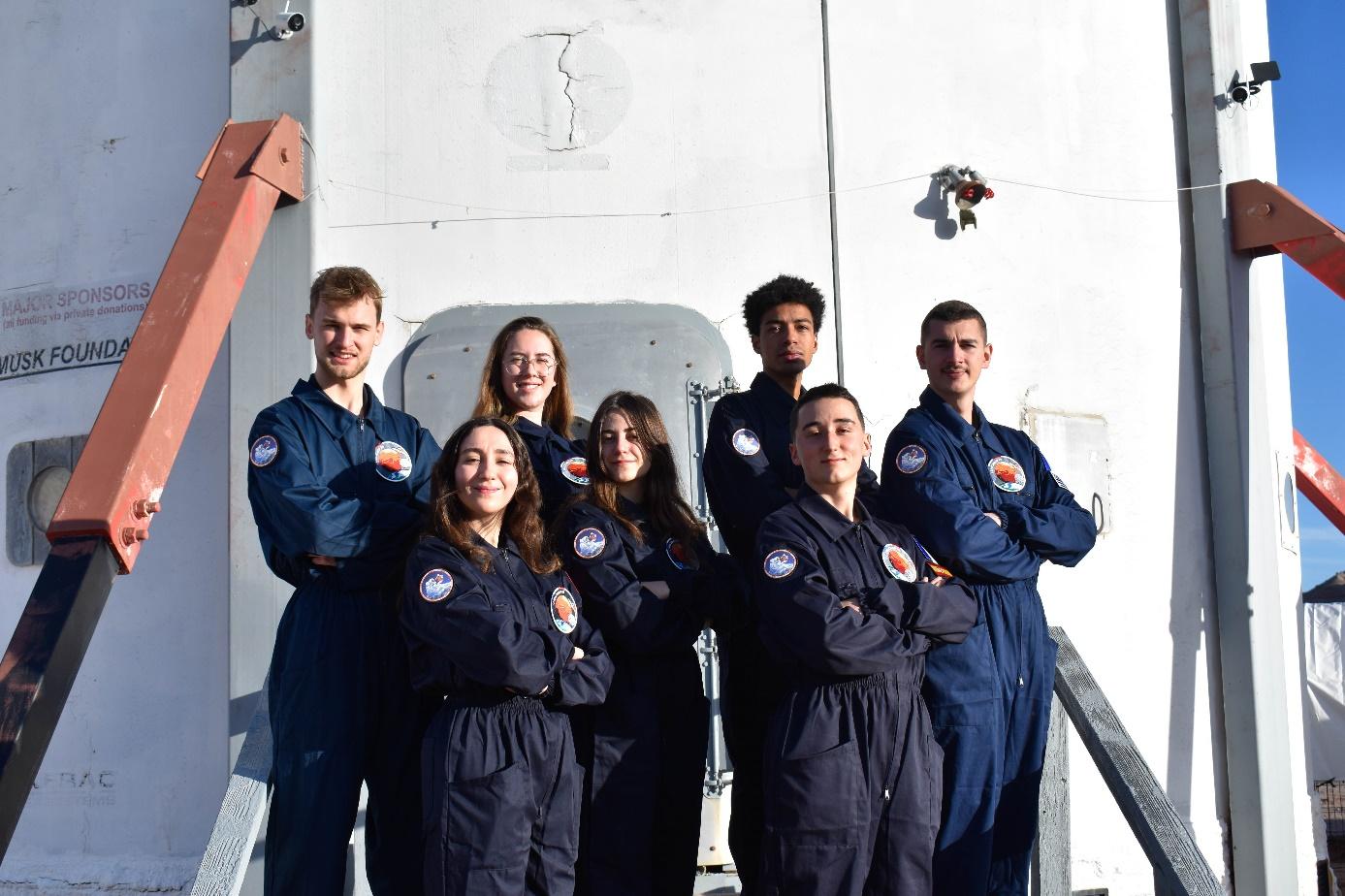
Our Crew Commander had previous experience as Commander of Crew 315, one year ago, and had served on a few other missions. As such, he had expectations as to what to expect over the course of about 10 months leading up to simulation while informing, guiding and educating the crew. These expectations were not fulfilled in the timeline expected. From the start it seemed some crew members had little interest in the mission. One can understand this when someone is delighted by the idea of it all, applies, gets accepted and then reality sets in. They will have to find time for video calls, pay crew fees, organize a field research project, take vacation and perhaps travel a large portion of the way around the Earth to get to Mars sim. Gradually this became apparent to three crew members from India and they subsequently dropped out. Then another, seeing the sinking ship, left for another crew. The crew was reduced down to three. A minimum of four is required and so the mission was in jeopardy of cancellation. The Crew Artist came to the rescue and found another person to function as a required HSO and then a few months before the mission found yet another person to function as Greenhab Officer. Now we were 5, an ideal number by the Commander’s experience:

Elisa Strinna, our Crew Artist, is an Italian multimedia artist based in the Netherlands. Her practice explores resilience, interdependence, and relations between humans and the more-than-human, often through research situated in ecological and extreme environments, addressing survival, adaptation, and the imaginaries surrounding life beyond Earth.

Matteo Calore, our HSO and Journalist, is a Director of Photography and has worked as cinematographer on films and documentaries for cinema and television.

Lot Brugge, our Greenhab Specialist, is an interdisciplinary artist based in Rotterdam, the Netherlands. Lot is interested in wild clay and soil, using them as components for ceramic sculptures and glazes to explore themes of isolation and human behavior in constrained environments.

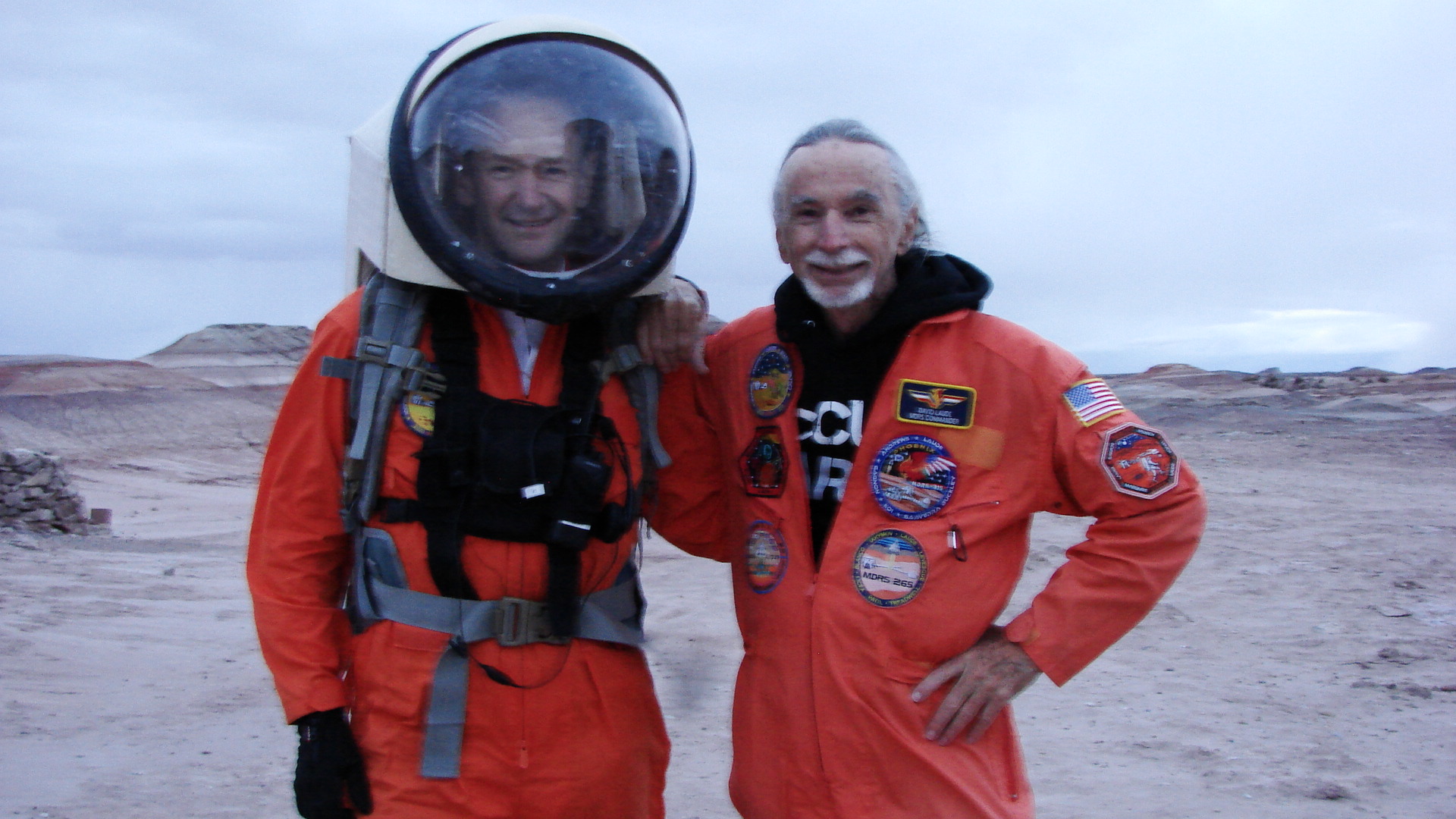
David “Dave” Laude, our Commander, designed state of the art analog integrated circuits and is now retired from the profession. Dave enjoys working with talented people that have interest in space exploration. He is a founding member of The Mars Society. He has previously held the roles of Engineer, Executive Officer, Journalist, and Commander.


Katherine “Kat” Berry, our Engineer, is a mathematics student preparing to pursue aerospace engineering with a focus on astronautics and mission operations. She has worked on a lunar mission concept involving robotic exploration and has supported technical proposal evaluation in a review role. Her interests include robotics, planetary surface operations and advancing human exploration beyond Earth.

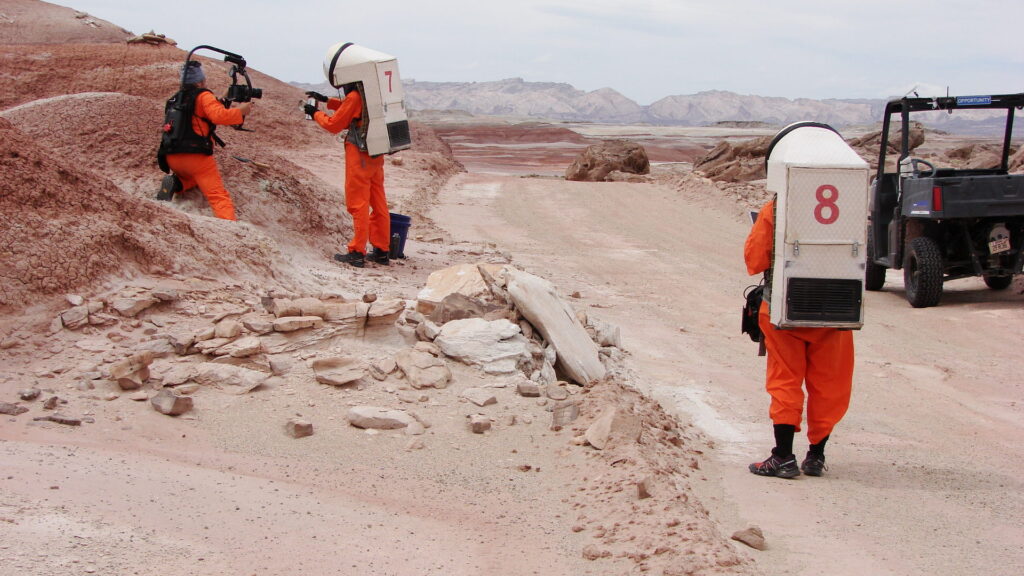
Since most crew members had never traversed the analog Martian regolith before, it was especially important to familiarize themselves with the procedures of the MDRS Campus. During the beginning of the mission, the crew became acquainted with the expected duties of their roles, way around the campus, use of radios and operation of the EVA suits, rovers, toilet and more.

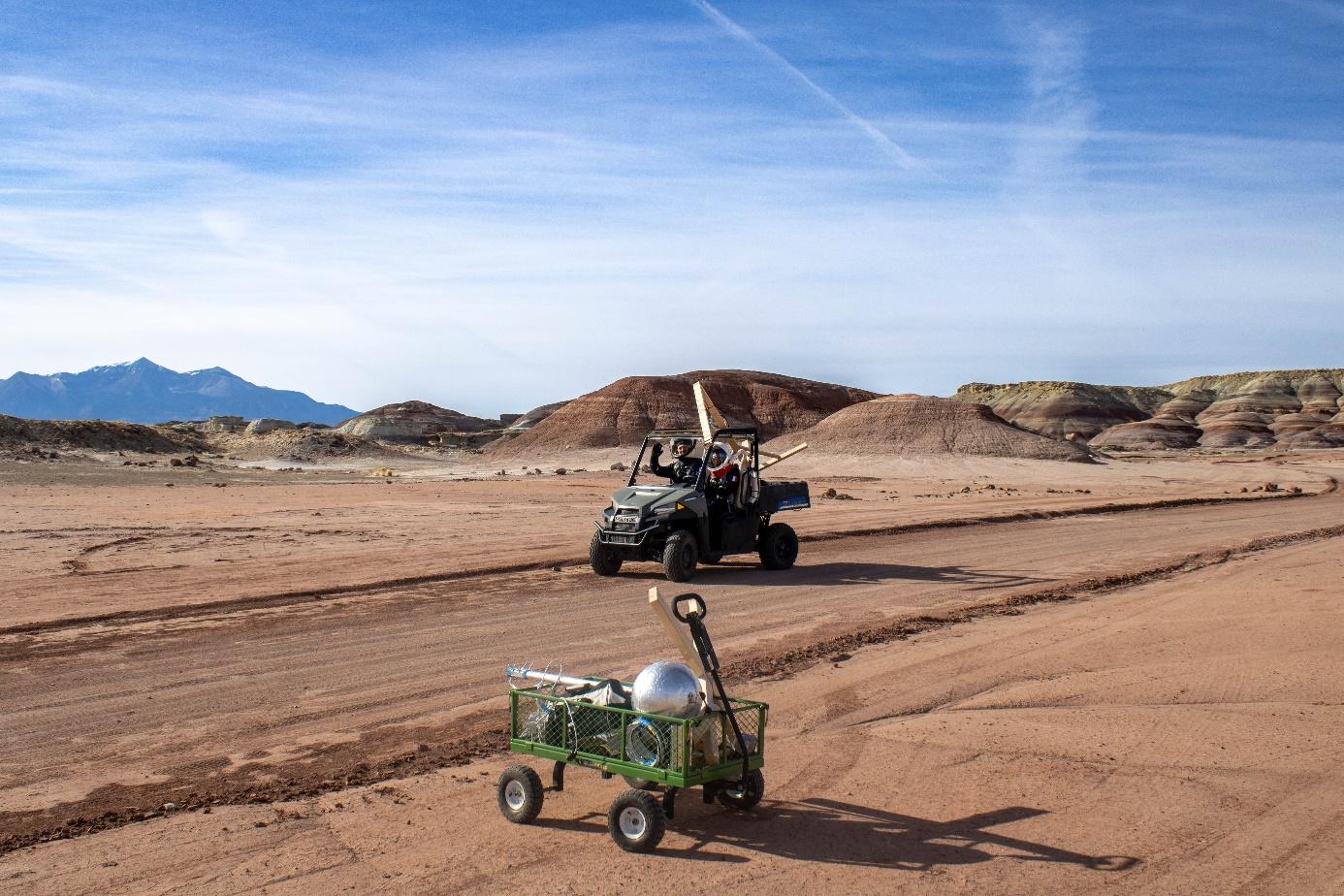
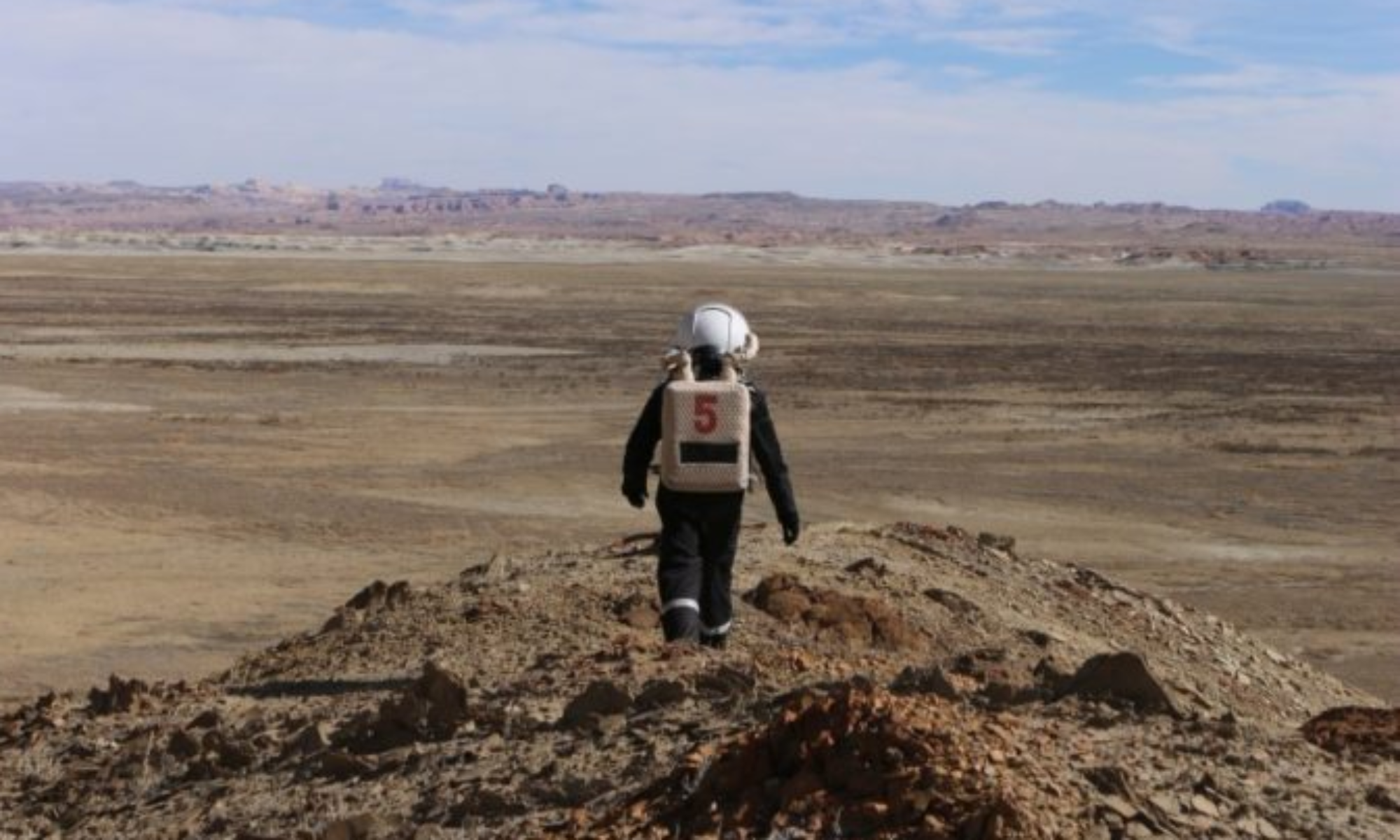
Elisa and Matteo were the first of us to set foot on this dusty red globe making its way around an orbit not the least affected by our meager presence on this world. This was a practice EVA that we all performed driving to a nearby place called “Marble Ritual”. Here one could place symbolic pebbles in a few simple suspended containers, perhaps representative of ancient Martian ceremonial artifacts.

The Crew quickly became accustomed to their Martian home, as the sols gradually became more habitual and routine. Mornings started with coffee, breakfast, and then the 8:00 AM daily planning meeting. Pancakes with fruit topping was a breakfast favorite and others included egg based delights and cereal with fruit. Breakfast was not just about food. It was the time the crew came together to plan before attacking all the tasks on the day’s agenda.

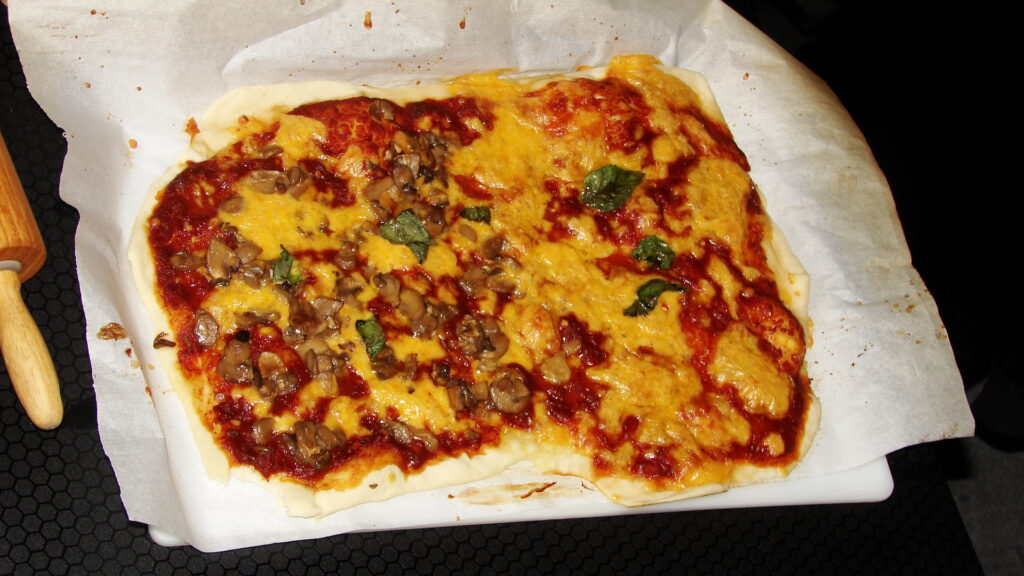
By 9:00-10:00 we had the first EVA of the day started, then lunch, followed by an afternoon EVA if needed. Arrivals back to the hab after an EVA were sometimes greeted by the smell of baking bread or meals cooking. We were so fortunate to have three talented chefs from Europe who made a variety of great meals from mostly freeze dried food. They were accustomed to making meals from basic ingredients. The Commander, while on Zoom before the sim, spoke of the good meal possibilities with freeze dried foods, and he even submitted some photos of past meals, but the crew was still pleasantly surprised over the outcomes.

Following is a list of our interesting and diverse projects, both science research and media. For more detail, see the End of Mission Research Report.

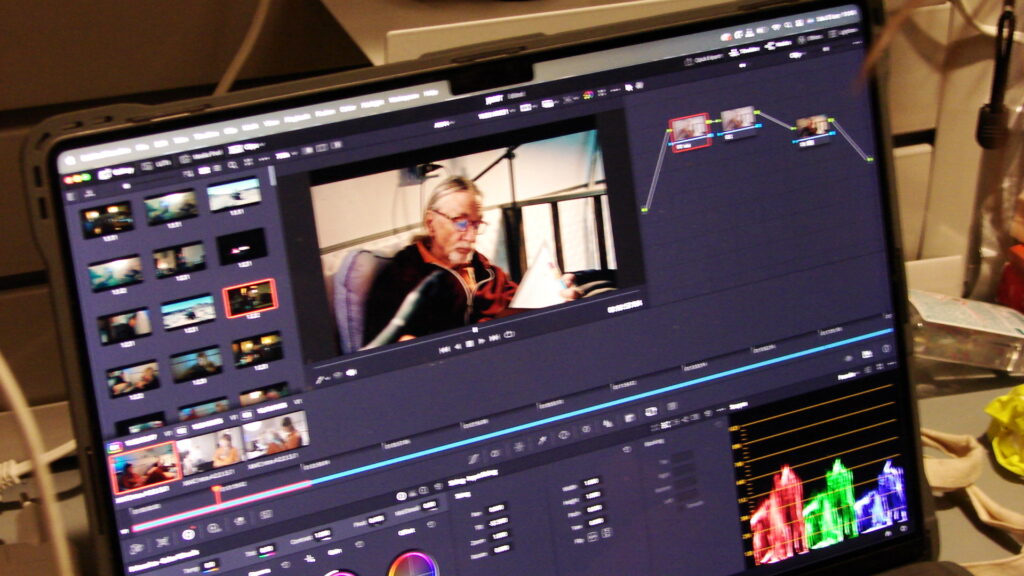
Elisa: “Journey Through the Outer Darkness” is an experimental documentary that explores the motivations, beliefs, expectations, and lived experiences surrounding the possibility of future life on Mars. These elements are examined as they emerge through daily routines, collective practices, and interactions within Mars-analog environments.

Dave: “Panoramic Landscape Photo Survey” is meant to provide future crews with photos from locations of potential interest for EVA planning to improve EVA efficiency and help ensure field research project success.

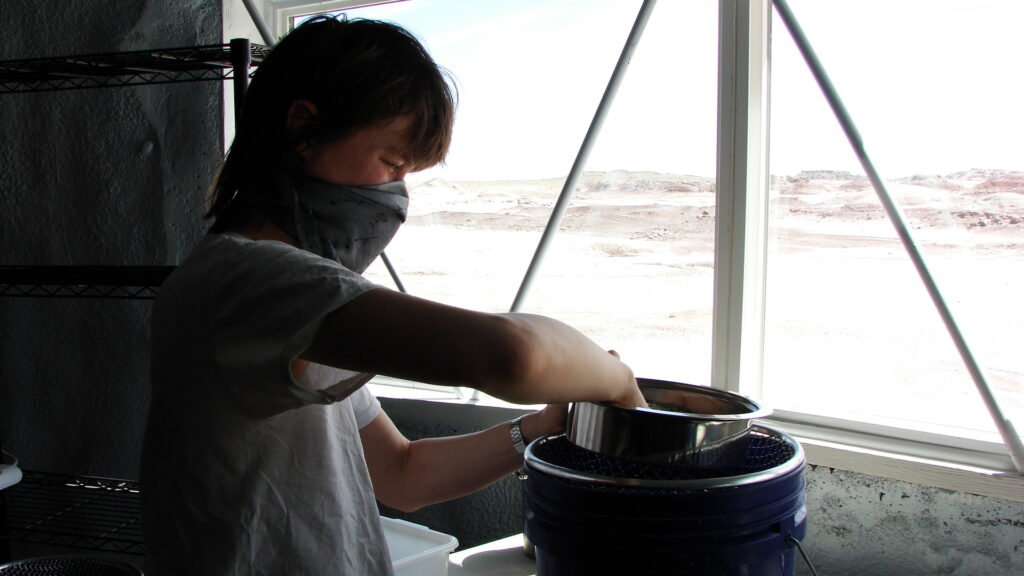
Lot: “Foraging Wild Clay”. Sourcing local clay provides a more sustainable approach to living on Mars while contributing to art and culture, which is an essential part of human history and expression. These clays can be fired in a microwave oven to make useful objects and perhaps building materials.

Kat & Dave: “Evaluating Drone Piloting Performance During Simulated EVA Operations in a Mars Analog Environment”. Assesses how simulated EVA conditions impact human drone piloting performance and identify operational constraints relevant to future Mars exploration.

Kat: “Operational Impact of Pre-Traverse Aerial Reconnaissance on Surface Route Planning Efficiency” evaluates whether pre-traverse aerial reconnaissance improves rover route planning efficiency, hazard avoidance, and overall navigation performance in an analog Mars environment.

For an educational diversion from regular activities the Commander brought some of his historical technological artifacts starting from the early 20th century for a show and tell that included magnetic tapes and disk, punch cards, electron tubes, transistors, circuit boards and integrated circuits.

As in any remote station, there were maintenance activities that could include fixing EVA suits and batteries, dealing with power interruptions, broken tunnel zip ties from wind damage, and more. Engineering Operations Reports noted the use of consumables such as water and rover battery power and listed any anomalies or special requests for materials. The engineer made sure that the Hab was functioning nominally by predicting water levels for the mission’s end so we can consume accordingly and by monitoring and emptying the toilet liquid holding tank every few days.

A company from London sent a crew here one afternoon to film for a documentary that we can’t disclose at this time. We also had in-situ film makers Elisa and Matteo who got many hours of recordings to sift through for their documentary. Sadly, the mission ended at 4:30 PM Thursday in preparation to leave this unique experience and place, completely upsetting and ending the Mars analog sim. A feast at the local Duke’s Slickrock Grill in downtown Hanksville was planned to celebrate the mission. Happily for the Commander, another mission may be in the works for one year from now.


Mission Summary – March 13th

Report title: Mission Summary
Crew #: 330
Position: Crew Commander
Report prepared by: Gaspard Thieulin
Date: 13-03-2026
Sol: 26

Overview:

Crew 330 was composed of 6 students from ISAE-SUPAERO (an engineering school in Toulouse, France) and their commander, research engineer for the Spaceflight Institute.

From the 16th of February 2026 to the 13th of March 2026, we lived in isolation for 26 Sols in the MDRS, working 6 Sols and resting during Saturdays. We conducted 15 scientific experiments on diverse subjects.

Our mission is a success on our primary mission objectives, and we bring back as much scientific data as possible from our experimentations, to be analyzed when we return to France with the researchers who support us.

Crew:

Adèle LADAGNOUS (Health and Safety Officer), Aerospace engineering student at ISAE-SUPAERO (Toulouse, FRANCE)
Célia PARNAUD–AMY (Astronomer), Aerospace engineering student at ISAE-SUPAERO (Toulouse, FRANCE)
Lou GOIFFON (Engineer), Aerospace engineering student at ISAE-SUPAERO (Toulouse, FRANCE)
Adrien SAUGNAC (Journalist), Aerospace engineering student at ISAE-SUPAERO (Toulouse, FRANCE)
Félix MARGUET (GreenHab Officer), Aerospace engineering student at ISAE-SUPAERO (Toulouse, FRANCE)
Julien BESSON (Mission Scientist), Mechanical Engineer (McGill University, CANADA), Master student in Aerospace engineering at ISAE-SUPAERO (Toulouse, FRANCE)
Gaspard THIEULIN (Commander), Aerospace Engineer (ISAE-SUPAERO, FRANCE), Research Engineer at the Spaceflight Institute (Toulouse, FRANCE)

Mission Narrative:

One main objective of our mission was to ensure the social cohesion of the crew, and the well-being of every member during the whole duration. Particularly from the work of the HSO, we implemented specific methods and tools to avoid conflicts and solve them quickly, efficiently and sustainably. The Commander paid special attention to balance the workload throughout the mission, between achieving the very ambitious scientific goals and managing the tiring effects of the mission itself. This specific goal was achieved with spectacular results, as we suffered extremely few internal conflicts and solved them in depth when they arose. Despite the long duration of our mission (double the usual in the MDRS), we kept the social cohesion of our crew at its highest point during the whole mission, and the dynamics of the group evolved toward a sustainable equilibrium during this last month. While everyone in the crew faced various difficulties, we stood together in the harder times, supporting each other to overcome every issue.

The addition of Yoga and Meditation sessions during the mission had a positive impact on the morale and the sleep quality of the crew. We also noticed the positive impact of an afternoon nap on the most tiresome days of the mission.

No medical incident arose during the mission, and everyone stayed fit and healthy for the whole duration. The physical activity sessions were followed by everyone almost every day, with each crew member exceptionally skipping one or two sessions because they felt too tired.

Water Usage (average): 14 L / CM / day

We ate a diversified menu every day, utilizing fully the food supplies we were given and the kitchen appliances available at the MDRS.

Documentary and Outreach

One other objective of our mission was public outreach, giving our followers a better look at what we do inside the MDRS. The whole crew contributed to this effort, by giving conferences and animating workshops in French schools and in New York before we left for Utah. While we were in isolation, we also filmed content for the schools we have a partnership with, answering their questions about space exploration and our simulation. The Crew Journalist, Adrien, had an even more ambitious project for outreach: filming a documentary, which is going to be shown in “La Cité de l’Espace” in Toulouse. Shooting a 90 minute documentary is not an easy task, and we tried to include as many moments from the mission as possible. The documentary is going to show “behind the scenes” of our usual external communication, alternating between the “every sol” life in the station, our scientific activities and filmed explanations of what is a Martian analog mission. The documentary will also display the preparation of the mission, as well as the outcome when we get back to France.

EVA Summary:

The Crew 330 performed 21 EVAs in total, including two training EVAs to Marble Ritual on Sol 1. Taking full advantage of the human presence on the ground, we conducted many experiments outside and conducted plain exploration whenever we had the time. Using the MDRS rovers, and the wonderful agility of the human body, we could explore on a larger surface than all robotic explorers could, improvise our route and access places that could seem inaccessible to most wheel-based rovers. Here is the distribution of each EVA’s purpose:

Training Exploration Atmospheric experiments Photo-grammetry Stratigraphy SupaeroMoon
EVA #01 X
EVA #02 X
EVA #03
EVA #04 X
EVA #05 X X
EVA #06 X
EVA #07 X X
EVA #08 X X
EVA #09 X
EVA #10 X
EVA #11 X X
EVA #12 X
EVA #13 X X
EVA #14 X
EVA #15 X X
EVA #16 X
EVA #17 X
EVA #18 X X
EVA #19 X
EVA #20 X X
EVA #21 X
EVA #22 X X
TOTAL 2 9 9 6 2 2

Only the EVA#03 was cancelled, due to strong winds measured before the EVA Team went outside.

All EVAs were successful in their main objective and there wasn’t any incident during EVAs that could have required the early return of the crew to the station. Despite some EVAs starting later than planned, mostly because of delays in the preparation, all EVAs were finished before their planned ending time.

Most EVAs were conducted with a team of three crew members, while the other four stayed working in the station, occasionally a team of four exited the station to support the more complicated EVA tasks. Communication between the EVA teams and the station was always ensured by at least one crew member in the Hab, and this communication worked better than before thanks to the radio relay on North Ridge. Specifically, the communication between the team and the Hab was lost on EVAs where the team lost visual contact with North Ridge, for instance when they entered deep terrain like Candor Chasma or went behind Camel Kissing Ridge. The range of the radios could also be an issue when going as far as the “Special Region”.

Repairs and upgrades to the station:

  • The Water heater was removed (seasonal decision)
  • We closely monitored the state of the tunnels, threatened by some heavy winds during our stay. We leave the tunnels in great shape, with all necessary zip ties installed and no puncture to report.
  • The toilet tank was emptied on Sols xx, xx and xx. The sensor for the level of the tank doesn’t seem to work at all. We did an inspection and we couldn’t see any visible issue with the wiring.
  • The clean water feeding white tube for the toilet is leaking from a small puncture, after the valve between the white tube and the blue tube. We have identified the root of the issue:

o Due to a very strong hammer effect in the hard blue tube, it moves “forward” from its intended position (it even seems to have ripped a fixation on the wall before our mission).

o Once the tube has moved too far from its position, it creates a heavy bend on the white tube connected to the toilet. The bend has punctured the white tube over time.

o We managed the issue with a new procedure: we keep the valve before the white tube closed at all times, except when we are pressing the toilet pedal. The very few drops of clean water are wiped with a dry cloth.

o The white tube could be replaced or repaired with a replacement tube fitting.

  • The water tank sensors have been repaired
  • An inside lock has been placed on the observatory door for the astronomer to close it from the inside, it is a removable addition
  • The opening mechanism of the observatory dome has been repaired (the wooden piece used as end of course was falling apart)
  • 4 backpack batteries have been replaced
  • The GPS battery has been replaced
  • The communication kit N°2 is not working (see operation report to see the trouble shooting)
  • The bed step for the 3rd room from the right has been screwed back

Summary of GreenHab Activities:

During these four weeks, the plan was to help grow the GreenHab by planting new seeds adapted to the other plants nearby and to take care of the one which was already here.
When we arrived, the coriander and fennel were pretty dehydrated at the bottom and many flowers were growing at the top. At the mid-mission, our botanist decided to cut the top flowers to re-boost the leaves which are our main point of interest. Despite the fact that the flowers contribute to making the GreenHab nice with colors, it was draining too much water and preventing the bottom leaves from growing.

We had various kinds of weather, and some days were really hot. When it was the case, two waterings were mandatory. The sun was pretty aggressive between 11AM and 4PM so the waterings were usually either at 10AM or 4-5PM. On average, our botanist used 4 gallons a day.

Regarding experiments, our botanist continued the space tomatoes in Martian regolith experiment and kept sending photos to the person responsible for the experiment. He watered them several times with distilled water.

Another experiment he wanted to do was the microgreens experiment. He followed the protocol with broccoli and radishes seeds. The broccoli seeds didn’t grow but it was successful regarding the radishes. He managed to harvest 90g the first time and 250g the second time. The micro-green were very tasty and well appreciated by the crew. The crew also harvested several basil and fennel leaves, and he tried to regrow the coriander.

For his botanist project, he didn’t have the attendance result. The cress seeds never saw the light of day during our mission. The experiment is on the shelf just on the left of the entry if the next crew wants to keep monitoring it.

He also planted radishes, cucumbers on the left of the big blue box. The growth of the garden beans and lettuce was particularly remarkable.

Our botanist also had an innovative idea: planting flowers for each member of the crew. The flowers didn’t bloom in time, but the Crew 330 let them to the next crew. They are spread in 7 pots which are named after the 7 members of the crew.

Summary of Scientific activities:

See the dedicated end of mission Science report.

Mission Summary – April 10th

Report title: Summary mission Report
Crew #: 333
Position: Crew Commander
Report prepared by: Marie Jansen
Date: 10-04-2026
Sol: SOL 12

Summary Title: Wrapping things up
Over the course of the twelve Sols, Crew Arsia established a rhythm that became the heartbeat of the mission. From the very first days, the team settled into a routine built around shared meals, scientific work, EVA operations, and the quiet moments in between that slowly turned six individuals into a cohesive crew.
Mornings typically began at 7:00 or 8:00 AM, almost always anchored by a communal breakfast. Pancakes became something of a crew tradition, appearing on the menu more often than any other dish, though porridge, granola with smoothies, and cereal also made regular appearances. These morning meals were never just about food, they were the moment the crew came together before splitting into EVA teams and hab teams for the day ahead.
EVAs were the backbone of the mission. The crew ventured out regularly to carry out their scientific experiments across a variety of sites around the MDRS, including Cowboy Corner, Green Mars View, Kissing Camel Ridge, Candor Chasma, Somerville Overview, North Ridge, and the Special Region. Each location brought its own character, some humbling in their vastness, others charming in their unexpected beauty. Equipment challenges were a recurring theme: rovers that failed to recharge properly, a Tap Strap that ran out of battery at a critical moment, microphone issues, and communication difficulties with CapCom in the field. Each time, the crew adapted, reorganized, and pushed forward without losing focus on the mission objectives.
Back at the hab, those not heading out kept equally busy. The GreenHab required regular attention, and Matthias took on much of that responsibility throughout the mission: tending to the plants, carrying out his seed analysis, and keeping a close eye on the greenery that sustained both morale and science. A running mystery added some unexpected excitement when the crew discovered that an animal had been sneaking into the GreenHab and nibbling on their plants. After several hours of suspicion, the culprit was eventually caught, much to the satisfaction of the entire team.
Meals were a cornerstone of daily life. The crew made a point of putting together hearty, nourishing dishes to keep everyone fueled through long days of physical and mental effort. Highlights included Zahraa’s couscous, Matias’s omelettes and tuna burgers, a memorable burger night, chicken curry, mac and cheese, cheddar nachos, and special Easter muffins prepared by Joanna and Marie. Cooking became an act of care, and the dinner table was always a place to reconnect at the end of the day.
The mission was also an emotional experience. A rest day was dedicated to celebrating Easter together, with a chocolate chip pancake breakfast, an egg hunt in the hab, and an afternoon photoshoot. There were card games, movie nights, mimes, and cycling sessions on the stationary bike. There were also harder moments, tensions within the group surfaced at times, leading to an open team meeting that helped bring things back into balance. It was a reminder that the human side of space exploration is just as demanding as the technical one.
As the Sols passed, the crew completed experiment after experiment, explored corner after corner of the surrounding terrain, and slowly worked their way toward the finish line. By the final Sol, with bags being packed and journals being filled, one thing was clear: Crew Arsia had not just conducted a simulation. They had lived something real.

Crew 329 Mission Summary

Mission Name: MARS EXPRESS (MDRS Advanced Research Study, EXperimental Pressure suit Radios Engineering Story Simulation)

For MDRS, this was an unusual rotation. We were on a one week mission rather than two weeks, and five crew members rather than six. We drove in from five different states in three time zones, with goals to improve engineering at MDRS in areas we’ve been working on for years in the background.

Pressurized Spacesuits and YouTube Livestream

Our mission sponsor, Peter, wanted to test his pressurized space suit designs within the hab. He also had extensive plans to film this with professional equipment with a short “drama” depicting Cody in the pressurized suit going through the airlock and ascending the stairs to pretend to patch the main window. This succeeded in most respects with him easily getting up the staircase (our biggest worry). The suit itself had several minor breakdowns during assembly and during the filming, but all were remedied on site. We are very pleased with the results.

Cody, a YouTube geologist with 2.2 million followers, did a livestream of Peter helping him into the spacesuit and as a “behind the scenes” live stream of the drama video in real time. As of now (two days later), this video has 33,000 views and 1000 likes. Kent worked the camera/comments for the suiting up part and then put on a conventional analog suit to appear as the backup astronaut during the video, and Brad took over the live stream. A friend of the Mars Society in the comments answered questions for late arrivals wondering what Cody was doing, and the behind the cell phone camera team also answered questions when possible. Overall a very good experience, showing both the successes and setback/recovery process for spacesuit engineering and film production in a single hour and a half video.

Peter also did several Discord live streams following us around with a laptop and doing interviews while we went about our work. He set up an elaborate HAM radio setup in the RAM maintenance building and was able to communicate with one other HAM operator in Arizona over the mission during the window when it was operational.

Crew EVA Link Expansion

Brad and Peter are the software and hardware leads, respectively, on Crew EVA Link, and Kent is the creator of the concept. We spent three years developing this system to track the safety and data of MDRS crews, and it went live as an operational system last year. By having all three of us at the hab to test it as analog astronauts, we gained a lot of insight into the pain points and successes of the system in unexpected ways. Brad discovered how difficult it was with the base system to send and receive messages from the field in the current form. We set up a new relay tracker on a hilltop to cover areas north and slightly east of the hab and were able to troubleshoot issues with it in days that would have taken weeks remotely. We now have what we need to roadmap the next year of development to further improve the system.

Brad also extended the system with a system that can link the voice communications to Discord when requested. Experiments linking HAM and other advanced systems produced mixed results, but were promising.

RC Rover Testing

Kent won a NASA design competition last year to design a rover for the steep craters at the Lunar South Pole. While that design used six methods to keep the rovers from tumbling into the dark abyss, three of those methods were possible to test using 1:10 scale toy remote control tanks modified to link together, have outrigger stabilizers, and record data using cell phone gyroscope logging software. Over three tests, the rovers were reconfigured in different ways to expand the data set. All rovers survived and the data is better than expected. The core principles of using them in a “land train” to compensate for slippage on one unit and instantly tow or push it back to steady ground were validated, as were the outriggers to avoid flips. That said, the conditions were so dry that the top 5 cm of soil was instantly crumbling and avalanching down the hillside when disturbed by the tank treads, which was a problem since the ground clearance on 1:10 scale rovers was less than 2 cm. So they rarely reached the 25-degree success criteria planned because they were simply too small. The experiment is considered a success because the rovers survived desert conditions, the data was logged, and the limits of nature and scale were added to the solution space in a more realistic way than originally envisioned. The R/C rovers will be tested in tamer conditions this Spring with an inclined wall panel to get “lab” baseline data and compared with the field data. A follow-up study with larger rovers can be designed. Ironically, the size and weight limits of the University Rover Challenge would be ideal for such a test at MDRS, if the teams want to make “land trains” of rovers of compatible heights and log their results after a URC competition, I’m certainly willing to help design that follow-on experiment.

Balloon Experiments

Kent has a business model involving clear plastic radiation recorders – sort of like a permanent cloud chamber, for recording cosmic ray doses en route to and from Mars. When originally envisioned seven years ago this was purely theoretical, but through his work with the Inspired 24 Innovation team he found several scientists working on a thin plastic film that can record radiation if “developed” (like photographic film) with an lye solution. While not ideal, it’s close enough for further work. While 100 percent purity is ideal, the samples were not secured in time so 75 percent off the shelf panels were brought to MDRS. The idea was to launch them on a fast weather balloon to receive primary cosmic rays briefly and then return. Since the crew were driving in five different directions after departure, this permitted whoever was closest to be the “chase crew” for the payload. This would also use Meshtastic (the system used for Crew EVA Link) as a balloon tracker. Weather never cooperated long enough for this launch, so the materials and plan will be transferred from Kent to Cody to try to find an opportunity shot off his remote ranch, and possibly make it a YouTube show topic. If the experiment works with off the shelf 75 percent materials, this has dramatic benefits for STEM education since any school or club could effectively “sample” exploding stars directly via weather balloons rather than simply launch toys and cameras.

While that experiment was on hold, an accidental experiment caused much excitement. Peter had a smaller balloon holding an unprotected SenseCap Meshtastic device to use as a relay for our long-range EVA test. The line anchoring this balloon 30 meters up snapped and sent the credit-card sized radio tracker with GPS on a journey we could track on our Crew EVA Link display. Our last signal was from north of Parachute, Colorado. It was 166 miles away, with the tracker moving at 217 miles per hour at 34,616 feet of altitude. Since it was unprotected (never intended to be more than a few feet above the ground), the uninsulated battery probably froze out at 86 percent battery life, or we simply lost it over the horizon from our most distant tracker. Since it was on Meshtastic, which is a global relay network, there were stations in close proximity that could have bounced the signal further back to us had it continued another 50 miles. It’s also possible the balloon simply popped and that speed was the descent into a mountain north of town. Ironically, Kent stayed in Parachute on the road trip to MDRS and had a picture of that mountain from a few days earlier.

Soil Sampling

Kent and Cody each had separate soil sample experiments that were performed in concert on a single EVA just as a rainstorm hit. Kent wanted test tube samples of each color change in the layers of soil near the hab, with GPS coordinates of each sample site, for later analysis. Cody wanted a dry soil sample to desiccate out for his science education videos. Both managed to “speed run” this collection and even get some good photos as the rain moved in. Matthias was also indispensable as a second set of hands to make the sample collections literally ten times faster than otherwise possible.

Advanced Photo Surveys

Peter brought in advanced 360 cameras with 60-megapixel sensors and photographed the outpost structures in detail. Such photo surveys are great for identifying maintenance issues early and documenting the state of the facility. Kent and Brad also did Quest 3 Hyperscape surveys of the hab upstairs, greenhab, and science dome to give a photorealistic VR experience.

Repairs and Upgrades

Matthias and Anderson spent several hours working on the toilet holding tank Friday to prepare it for the next two missions prior to the next work party. This operation was successful, and some upgrades are planned for that party to avoid future problems.

Peter tested several Toughbook laptops that contain hardware that can connect to Crew EVA Link while being operated in EVA. This will enable crews to collect field data while in the field. We also tested a mount for the side-by-side rovers that would be installed in the passenger side. We have enough data now to design and build permanent solutions that can be donated later to MDRS. We also tested a permanent mount so that each rover can be tracked and function as a relay on the Crew EVA Link network.

Other Notes – Fossils of Past Civilization

On the hike to set up the repeater north of the hab, we discovered a boom box, typewriter in the case, and VCR shoved under boulders deep in the desert. Matthias decided to restore the typewriter as a project. After our middle-aged crew found all these artifacts from the 1990’s, we have met the dinosaurs, and they are us. 🙂

Overall this was a very successful if brief mission and we are very happy with the results.

Kent Nebergall, Commander, MDRS Crew 329

Crew 328 Mission Summary

Report title: Mission Summary
Crew #: 328
Position: Commander / Crew Engineer / HSO
Report prepared by: Aaron Tenner
Date: 06-02-2026
Sol: 12

Summary:

Crew 328 completed a successful 12-Sol simulation at the Mars Desert Research Station, operating under full Mars analog protocols. Our team of five brought diverse backgrounds and expertise to the mission, with strong cross-project collaboration and a shared commitment to science, safety, and outreach. The mission ran smoothly from arrival on Sol 0 through final handover on Sol 12, balancing intensive fieldwork, greenhouse experiments, materials testing, and a flagship delayed-comms outreach program that reached thousands of students worldwide. We conducted eleven EVAs that tested rover performance, radio procedures, and crew coordination under realistic constraints—including a tire puncture and comms blackout in a canyon—all resolved safely using established protocols. By the end, we left the Hab, GreenHab, Science Dome, and other modules cleaner, better organized, and fully inventoried, ensuring a stronger starting point for the next crew while advancing analog research and educational impact in meaningful ways.

Crew:

  • Commander: Aaron Tenner (Also Engineer & Health and Safety Officer)
  • GreenHab Officer: Rebeca Gonçalves
  • Crew Scientist: Jahnavi Dangeti
  • Crew Journalist: Tom Bickmore (Outreach & Communications focus)
  • Commander: Mariló Torres

Mission Objectives and Results:

GreenHab & Plant Experiments (led by Rebeca Gonçalves)

  • Tested growth of ISS-flown TomatoSphere seeds (H.J. Heinz Canada 1161F1, exposed during Expedition 70) in lab-simulated Martian regolith (with 10% organic amendment) and locally collected analog soil.
  • Ran radish microgreens comparison across four conditions: hydroponics, lab regolith, local regolith, and organic potting soil control.
  • Achieved radish germination on both MMS-2 Mars regolith simulant and local desert soil (collected from camel ridge), and achieved microgreen harvest on control organic soil and hydroponic setup.
  • ISS tomatoes and their Earth control counterparts are being handed over to the next crew.
  • Harvested fresh greens multiple times, boosting morale and demonstrating viable analog food production.

Soil & Materials Testing (led by Jahnavi Dangeti & Aaron Tenner & Tom Bickmore)

  • The work focuses on a materials science experiment examining the behavior of MDRS local soil under Mars-analogue habitat conditions.
  • Local soil was collected and sieved to standardize grain size, followed by testing multiple soil–water mixtures to identify a consistency suitable for reliable molding.
  • Baseline samples without additives were cast using small block molds and observed over several days under ambient habitat conditions, with qualitative documentation of drying behavior, cracking patterns, shrinkage, and shape retention.
  • Based on these baseline observations, the study is continuing with the evaluation of natural binders, such as guar gum, to assess their influence on early-stage soil consolidation under analogue conditions.
  • Tested structural performance and durability of hydroponics components printed in different filaments (e.g., PLA, PETG, ABS variants) under simulated Mars conditions.
  • Incorporated in-situ modifications using local Hab supplies to adapt designs for better integration with existing systems, improving reliability and printability for future analog or real Mars applications.
  • Collaborated with Jahnavi’s brick/regolith work to assess how printed parts might interface with or support soil-based experiments, yielding early insights into hybrid in-situ manufacturing.

Outreach & Comms Delay Experiments (led by Tom Bickmore)

  • Core project: Tested near-live video classes with ~10–20 min simulated Mars-Earth delay (constant bidirectional feeds, buffered for light-speed lag).
  • Ran multiple sessions: rehearsal with co-host students, main Outschool event (500+ families & classrooms, ~20 countries, ~1000 questions), plus The Launch Pad YouTube live-delay broadcast (over 2500 views so far).
  • Proved delay feels like genuine back-and-forth interaction (not pre-recorded clips); students on Earth ran Mission Control brilliantly. Survey results ongoing; outcomes potentially publishable.
  • Additional outreach: TV appearance (TeleCINCO Spain), school in India (Jahnavi’s former school), global classroom registrations doubled for final event, inspiring chat with Astronaut.

Topography & Photography (led by Tom Bickmore)

  • Configured high-res Mars topography model (Casey Handmer/Terraform Industries, 7 m/pixel 3D) on hard drive capable of live booting onto any personal laptop for future crews.
  • Captured sunrise/sunset timelapses, spotted Tiangong and ISS passes.

Operations & EVA Summary

  • Completed 11 EVAs (training, soil sampling, flag recovery, range testing, yard inspection, Sea of Shells exploration).
  • Key incidents: Tire puncture on Curiosity in canyon (handled via radio relay and 2-rover backup); rover range limit test (50% battery outbound).
  • Demonstrated strong radio procedures, EVA-Link tracking, rover safety, and teamwork under realistic constraints (no cell service, canyon blackout).
  • Final EVAs: Deep Sea of Shells walk (erosion stages, fossilized shells) and mountain overlook for Hab photos.

Hab & Station Handover

  • Deep cleaned Hab, GreenHab, RAM, and other modules.
  • Full inventory of consumables (food, supplies).
  • Minor repairs (chair legs, brackets, hinges).
  • Left all systems (smart home dashboard, EVA-Link, iMac, radios) in default state, ready for next crew.
  • Filed all required final reports.

Crew Reflections:

This mission succeeded through genuine collaboration across five countries and varied expertise. Projects intersected meaningfully (e.g., regolith from EVAs fed into brick and plant tests; outreach tied directly to science communication). We learned from each other constantly—personal strengths, cultural perspectives, and problem-solving approaches enriched the team. The delayed-video outreach proved not only technically feasible but emotionally impactful, connecting kids worldwide to analog Mars life.

Crew 328 leaves the station improved, experiments advanced, and a legacy of inspiration. Thank you to Mission Support, our families, and everyone who followed along. Mission complete.

Aaron Tenner, Commander, Crew 328

Mission Summary – January 9th

Mars Desert Research Station
Mission Summary
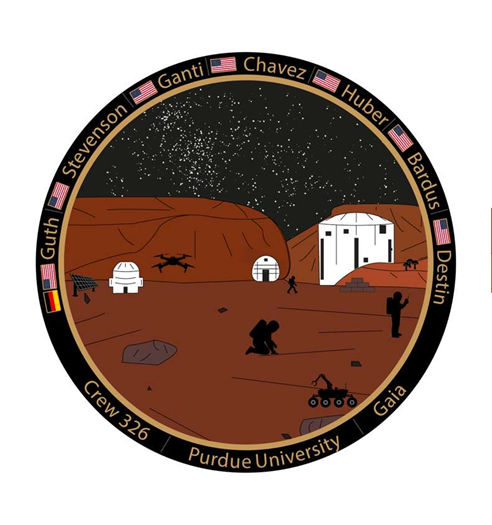
Crew 326 – Gaia
Dec 28th, 2025 – Jan 10th, 2026

Crew Members:
Commander Keegan Chavez
Crew Scientist: Benjamin Huber
Crew Engineer: Idris Stevenson
Health and Safety Officer: Katharina Guth
Green Hab Officer: Vindhya Ganti
Crew Journalist: Daria Bardus
Crew Biologist: Armand Destin

Mission Narrative:
The first few days in sim went as expected. The first EVA for every crew member is mainly to get experience with the EVA suits, radio communications and general operating procedures. Multiple crew members had to be reminded that taking your gloves off on Mars would not end well, but it was better to learn the lesson early. The next two days saw the EVA intensity increase with longer EVA and more demanding hikes, the crew getting a better idea of how long EVA prep time would take and the pace they could work at on EVA. The overall picture of the mission was starting to take shape, and just in time for a New Year’s Eve celebration. Cake, champagne, and party favors were shared as the crew had a special comms window to watch the ball drop. They were all now looking forward to the new year and the rest of the mission.

Sol 4 saw the start of some tumultuous days for the crew. The initial procedures outlined to test the RF signal strength were deemed too dangerous for crew operations as they interfered with the EVA team’s ability to communicate with CAPCOM. Tests for this project had to be postponed until procedures could be updated. The next two days saw poor weather conditions that cancelled a few EVAs and pushed research back, while one EVA for the rover had to be cut short due to poor terrain conditions. These days had a few silver linings: defining a proper procedure for RF mapping on EVAs, the first GreenHab harvest of the mission, crew showers, and the start of a series of Terraforming Mars games. The crew had seen many delays at this point but were resolved to maintain high spirits and find ways to make progress towards mission objectives regardless.
Sol 7 was seen as a turning point for the mission. While weather delayed the EVA for the day, the full EVA was able to be completed with all scientific objectives completed. The crew even had time to summit Phobos Peak for some excellent scenery and photos. The crew left for EVA 9 on Sol 8, but the weather worsened as they approached the operating region and the EVA had to be recalled, there were already plans made to return to the same region so data could still be collected. At this point, the orange drink mix had become a staple of our diet, and our crew engineer found a way to turn it into an orange chicken sauce that was easily the best meal of the mission.

From there, it was a standard couple of days to close out the mission. The crew could prepare for EVAs in less than 30 minutes, and we had become accustomed to extended EVA times. The crew could even handle up to three projects at once on an EVA, allowing us to catch up on any data collection that had been missing due to previous days’ weather delays. Highlights of the last few days included a movie night with an assortment of candies and fried foods on Sol 10 and the commander completing his 5-0 unbeaten streak of Terraforming Mars on Sol 11. With the completion of EVA 13, the crew had finished data collection for all research projects and had clearly shown improvements in the daily routine of EVA prepping, report writing, and maintaining a physically and mentally fit self.

EVA Summary
EVA 01:
Crew Scientist, Crew Engineering, Crew Journalist, and Crew Biologist took rovers to Marble Ritual site with the objective of practicing EVA prepping, rover operations, radio communications, and general EVA procedure. Objective was accomplished.

EVA 02
Crew Commander, Health and Safety Officer, and GreenHab Officer took rovers to Marble Ritual site with the objective of practicing EVA prepping, rover operations, radio communications, and general EVA procedure. Objective was accomplished.

EVA 03
Crew Scientist, Crew Journalist, and Crew Biologist went on foot to Hab Ridge with the objective of acquiring a sample for the crew scientist’s brick making project. The crew did not make it as far as initially expected on foot but were still able to acquire a sample and return within the mission time. Further EVA times were adjusted based on this. Objective was accomplished.

EVA 04
Health and Safety Officer, Crew Engineer, and Green Hab Officer took rovers to Kissing Camel Ridge with the objectives of placing an environment sensor and taking images of the ridges. All objectives were accomplished.

EVA 05
Health and Safety Officer, Crew Biologist, and Crew Engineer left on foot towards Skyline Ridge with the objectives of placing an environmental sensor, taking images of the ridge, and collecting RF signal power data. Procedures for RF mapping were deemed too dangerous to EVA operations and data collection was postponed. Other objectives were accomplished.

EVA 06
Health and Safety Officer, GreenHab Officer, and Crew Journalist stayed at the Hab with the objective of testing new RF mapping procedures and testing the rover functionality. Poor terrain from recent weather caused the rover team to be unable to perform testing. Other objectives were accomplished.

EVA 07
Crew Commander, GreenHab Officer, and Crew Journalist stayed at the Hab with the objective of testing the rover functionality. Objective was accomplished.

EVA 08
Crew Scientist, Health and Safety Officer, Crew Engineer, and Crew Biologist took rovers to Phobos Peak with the objectives of gathering a sample for brick making and gathering RF signal power data. All objectives were accomplished.

EVA 09
Crew Commander, GreenHab Officer, and Crew Journalist took rovers to White Rock Canyon with the objective of testing the rover functionality. Weather conditions forced the crew to return before data could be collected.

EVA 10
Crew Scientist, Health and Safety Officer, and Crew Biologist took rovers to Candor Chasma with the objective of gathering a sample for brick making and gathering RF signal power data. All objectives were accomplished.

EVA 11
Health and Safety Officer, GreenHab Officer, and Crew Journalist took rovers to Kissing Camel with the objectives of retrieving the environmental sensor, testing the rover functionality and gathering RF signal power data. All objectives were accomplished.

EVA 12
Crew Commander, Crew Scientist, and Crew Engineer left on foot to the Amazonis Planitia with the objective of retrieving the environmental sensor. Objective was accomplished.

EVA 13
Health and Safety Officer, Crew Engineer, Crew Journalist, and Crew Biologist took rovers to White Rock Canyon with the objectives of testing the rover functionality, gathering RF signal power data, and retrieving the two Hab environmental sensors upon return. All objectives were accomplished.

Research Milestones and Outcomes
1.
Title: Autonomous Mars Rover for Geological Sample Collection
Author(s): Vindhya Ganti
Objectives: Train an image-based navigation system on local landmarks to allow a rover to navigate autonomously
Milestones:

  • Images for training gathered on EVA 04 and EVA 05
  • Imaging software successfully discerns location on Sol 6

Outcome: Imaging software has been proven in lab testing, it is ready to be integrated onto rover platform

2.
Title: Dust Storm Detection
Author(s): Idris Stevenson
Objectives: Install environmental sensors to give crews early warnings on incoming dust storms and other hazardous weather
Milestones:

  • Placed sensors on EVA 04, EVA 05, and EVA 07
  • Retrieve sensors on EVA 11, EVA 12, and EVA 13

Outcome: Sensors were able to acquire data over a time span of 6-7 days and through a variety of weather and environmental conditions, data has been retrieved from on board memory and is ready to be analyzed

3.
Title: Utilization of In-Situ Materials for Construction
Author(s): Benjamin Huber
Objectives: Gather materials from the surface of Mars to make bricks for construction and testing the strength of those bricks
Milestones:

  • Sample 01 collected on EVA 03
  • Brick made from sample 01 on Sol 03 and Sol 05
  • Sample 02 collected on EVA 08
  • Brick made from sample 02 on Sol 08
  • Sample 03 collected on EVA 10

Outcome: Multiple samples were collected from a variety of geological sites, and bricks were made from 2 of the 3 samples, all bricks made were stress tested, 1 final brick is planned to be made and tested upon return home before conclusion can be drawn.

4.
Title: Terrain-Dependent RF Signal Propagation Mapping
Author(s): Katharina Guth
Objectives: Begin to create an RF signal strength map of the area surrounding the Hab
Milestones:

  • Finalized procedure on EVA 06
  • Mapped data from area around Hab on Sol 06
  • Gather RF mapping data on EVA 08, EVA 10, EVA 11, EVA 13

Outcome: Gathered significant data in multiple regions of MDRS, successful map a portion of data, planning to map the rest of the data and finalize conclusions post mission

5.
Title: Crew-Centric Interface for Performance Optimization at MDRS
Author(s): Armand Destin
Objectives: Develop a platform to allow teams to perform risk assessment in an efficient and effective manner
Milestone:

  • Collected data on crew decision making risk assessment on EVA 03, EVA 05, EVA 08, EVA 10, and EVA 13

Outcome: A platform will be developed using data collected on mission, pending IRB approval and subsequent consent forms

6.
Title: Autonomous Mars Rover for Geological Sample Collection
Author(s): Daria Bardus
Milestones:

  • Demonstrated basic rover functionality in Hab on Sol 03
  • First successful sample collected using rover on EVA 07
  • Success sample collections using rover on EVA 11 and EVA 13

Outcomes: Rover was able to successfully acquire terrain samples in multiple terrains, improvements for remote sample collection will be detailed for future crews

Overall Mission Outcomes:
All crew members gathered significant data for the respective research projects to consider their projects a success. Many crew members plan to finish data analysis post mission and submit papers for review to numerous journals covering research in extreme environments.

The crew become very accustomed to the daily routine of living in and maintaining an isolated station. EVA prepping and daily report writing became more efficient, even as crews continued to stay on top of chores and research. Crew were able maintain a healthy balance of work and relaxation throughout the mission, keeping overall wear and stress to a minimum.

Even with many delays due to weather, lack of resources and equipment, and unfamiliarity with the location, the crew was able to find creative ways to continue making progress towards all mission objectives. Overall, the mission was a success for Crew 326 – Gaia.

Mission Summary – December 26th

Mars Desert Research Station

Mission Summary

Crew 325 – Aether

Dec 15th, 2025 – Dec 27th, 2025

Crew Members:

Commander and Crew Astronomer: Dr. Cesare Guariniello

Crew Scientist: Ellenah del Rio

Crew Engineer: Morgan McCoy

Health and Safety Officer: Isabella Levine

Green Hab Officer: Adrianna Waterford

Crew Journalist: Saranya Ravva
Acknowledgements:

The entire Crew of MDRS 325 would like to express their gratitude to the many people who made this mission possible: our deepest thanks to Dr. Robert Zubrin, President of the Mars Society; Ben Stanley, On-Site Manager, and Sergii Yakimov, MDRS Director, who assisted us in-situ and helped us troubleshooting the little problems we encountered; Dr. Shannon Rupert, Director Emeritus, whose past advices still supports our crews; James Burk, Executive Director; Peter Detterline, Director of Observatories, who trained and assisted our Crew Astronomer before and during the mission; Michael Stoltz, The Mars Society Liaison, Media and Public Relations; Scott Davis, EVA Suits Support, Russ Nelson, Disaster and Emergency Management, and Ben Greaves, Greenhab coordinator; Purdue faculty, departments, and organizations who helped us throughout the year; external sponsors, family, and friends who supported this mission; and all the unnamed people who work behind the scene to make this effort possible, and who gave us a chance to be an active part of the effort towards human exploration of Mars.

Mission description and outcome:

MDRS 325 “Aether”, twin of mission 326 “Gaia”, is the tenth all-Purdue crew at MDRS. The mission was characterized by very high research quality, great weather, good mood, and an overall smooth and pleasant time for the crew members. The diverse crew, including four women and two men, representing five countries and various departments at Purdue, is comprised of undergraduate students, Master’s students, PhD candidates, and professional staff, accurately represented Purdue’s honored tradition in the field of space exploration.

Crew 325 developed and implemented multiple research projects, with particular emphasis on infrastructural and operational needs of Martian settlements, and on physiological and biological factors. In addition, the crew conducted research projects in horticulture and geology, as well as astronomical observations. Various projects required Extra-Vehicular Activities (EVA), which covered all areas of MDRS and in the amount and quality of samples and scientific data collected. Furthermore, the crew was the subject of psychological research on the dynamics and behavior of individuals in isolation in harsh environments.

The crew is planning to continue working on the data collected during this mission, to support the twin mission “Gaia” and to participate in various outreach events, in order to spread awareness about MDRS missions and to foster awareness and passion for space exploration.
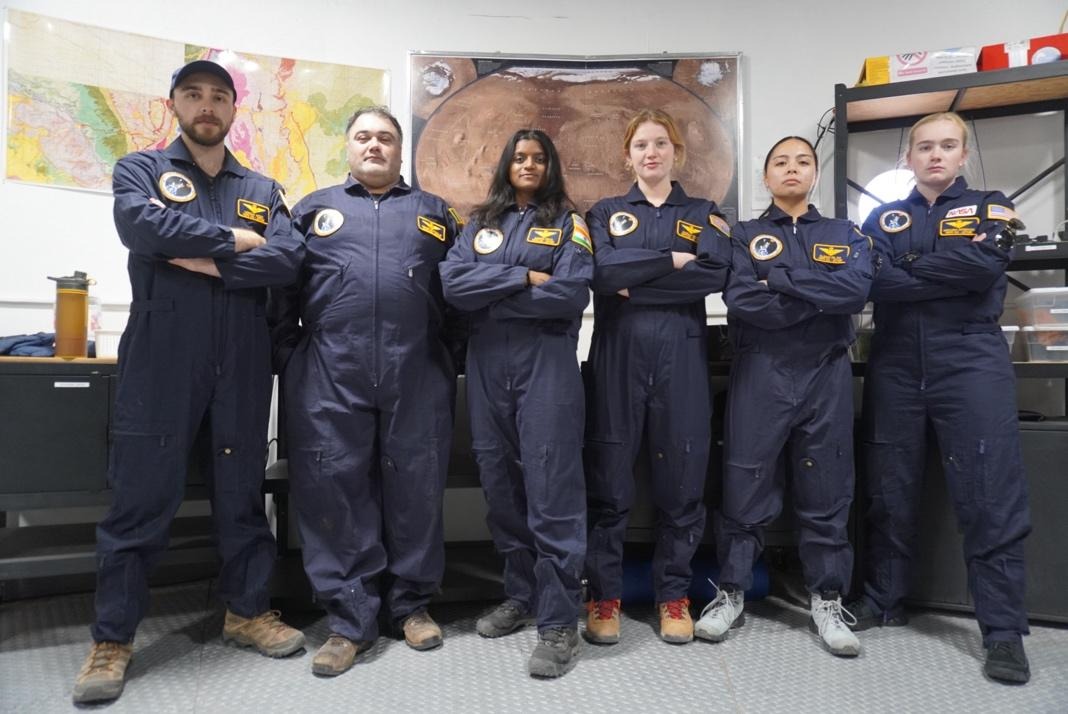
Figure 1. MDRS 325 Crew posing in the lower deck of MDRS habitat. Left to right: Crew Engineer Morgan McCoy, Commander Cesare Guariniello, Crew Journalist Saranya Ravva, Health and Safety Officer Isabella Levine, Crew Scientist Ellenah Del Rio, and Greenhab Officer Adrianna Waterford.

As commander, I am personally very proud of this crew, which trained together for a long time between the time of selection and the period of the mission and was capable to keep a high level of fidelity and realism (including only two short communication windows per day, strict safety and simulation protocols, and hard work), and to successfully mix professional research and light-hearted moments of life in common in a shared environment. At Purdue, these applicants passed a rigorous three-phase internal selection process, followed by training on all the MDRS procedures and operations, research implementation, fundraising, and team-bonding activities. During the mission, the crew properly followed safety and research protocols, performed as a tight group, and learned about themselves and their skills and limitations as analog astronauts and aspiring astronauts. The pace kept throughout the mission was a combination of long, fruitful, and professionally conducted EVAs, work in the laboratory, in the RAM, and in the Greenhab and slower-tempo personal and communal time in the habitat.

Summary of Extra Vehicular Activities (EVA)

After being trained in the use of rovers and in the safety protocols for EVA, the crew had ten excursions during rotation 325, two of which being the traditional short EVAs to Marble Ritual. The remaining EVAs were medium to long excursion, where the crew greatly maximized time usage, especially the time spent walking and performing field activities, which was in average 85% of the total EVA time. The EVAs reached areas in the Mancos Shale (Skyline Rim), Morrison Formation (Kissing Camel Ridge and Barainca Butte), Dakota Sandstone (Candor Chasma), and looked into the Somerville Formation (Somerville Overlook). The EVAs served multiple research projects that focused on operations and infrastructure, as well as providing opportunity for geological sample collection and gathering of Garmin data on performance during EVAs.

Table 1. Summary of EVA, indicating Sol of execution, total duration and distance covered, time and distance spent walking and performing activities, and time percentage spent in activities outside driving.

EVA

1

2

3

4

5

6

7

8

9

10

11

12

Total

Sol

1

1

2

3

4

5

6

7

8

9

10

11

Walking and activity time (h:mm)

1:14

0:58

1:25

2:58

3:11

2:56

2:16

3:06

2:41

1:29

2:57

1:25

26:38

Total time (h:mm)

1:19

1:04

1:42

3:43

3:50

3:30

2:46

3:44

2:41

2:10

3:32

1:25

31:26

Walking distance (km [miles])

1.0
[0.6]

1.2

[0.7]

1.1

[0.7]

4.9

[3.0]

2.4
[1.5]

5.2 [3.2]

2.8 [1.7]

3.9 [2.4]

8.0 [5.0]

2.5 [1.6]

8.7
[5.4]

3.6
[2.2]

45.3 [28.2]

Total distance
(km [miles])

2.1 [1.3]

2.2 [1.4]

4.3
[2.7]

12.9
[8.0]

11.3 [7.0]

13.2 [8.2]

11.8 [7.3]

16.9 [10.5]

8.0 [5.0]

14.4 [8.9]

16.9 [10.5]

3.6
[2.2]

117.6 [73.1]

% not driving time

94%

91%

83%

80%

83%

84%

82%

83%

100%

68%

83%

100%

85%

Figure 2. Satellite 2D (left) and 3D (right) maps of the EVAs performed by MDRS 325 crew.

Summary of GreenHab Activities

Crew GreenHab Officer: Adrianna Waterford

The GreenHab operated well and was well-maintained throughout the mission, providing fresh produce, herbs, and a valuable space for crew wellbeing. Lettuce, basil, dill, and a variety of other herbs grew successfully and are well-established for the following crew. Microgreen beds were planted specifically for Crew 326 to ensure continued harvest availability early in their rotation.
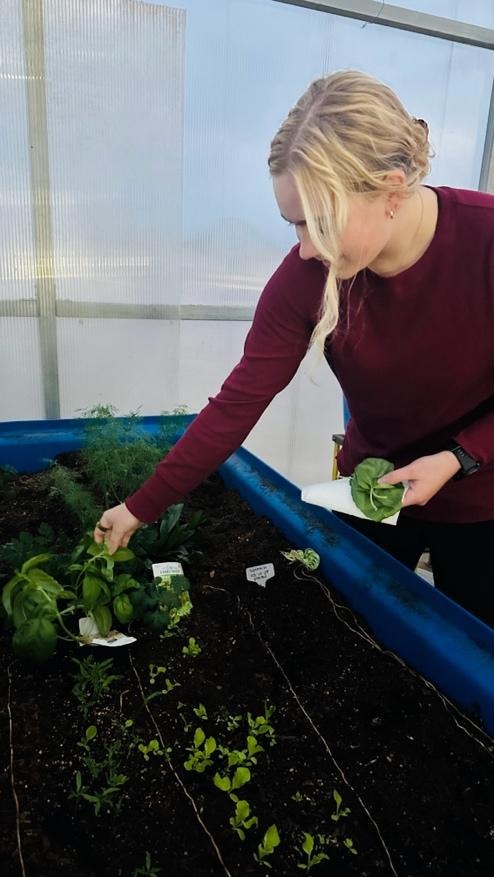
The sunflower plants experienced an unexpected stress event around Sol 5 and appeared to be dying back; however, by Sol 9, four new buds emerged from the main stems and developed into new flowers. This regrowth highlighted the resilience of certain crops even after visible failure and provided useful insight into plant recovery in a controlled, resource-limited environment.

In addition to soil-based cultivation, a small hydroponic system was set up to grow microgreens. The system performed better than expected in terms of water efficiency, using significantly less water than anticipated. However, power consumption was higher than is practical for a Mars analog environment, making the current configuration unsuitable for long-term use. A proposed next phase of this experiment would involve integrating an automated power switch for the pump and grow lights, powered by a dedicated solar panel, to reduce overall energy demand and better simulate sustainable off-world agriculture.

Overall, the GreenHab provided consistent fresh food, supported future crews, and served as a calming and restorative space for the crew during the mission.

Research Projects:

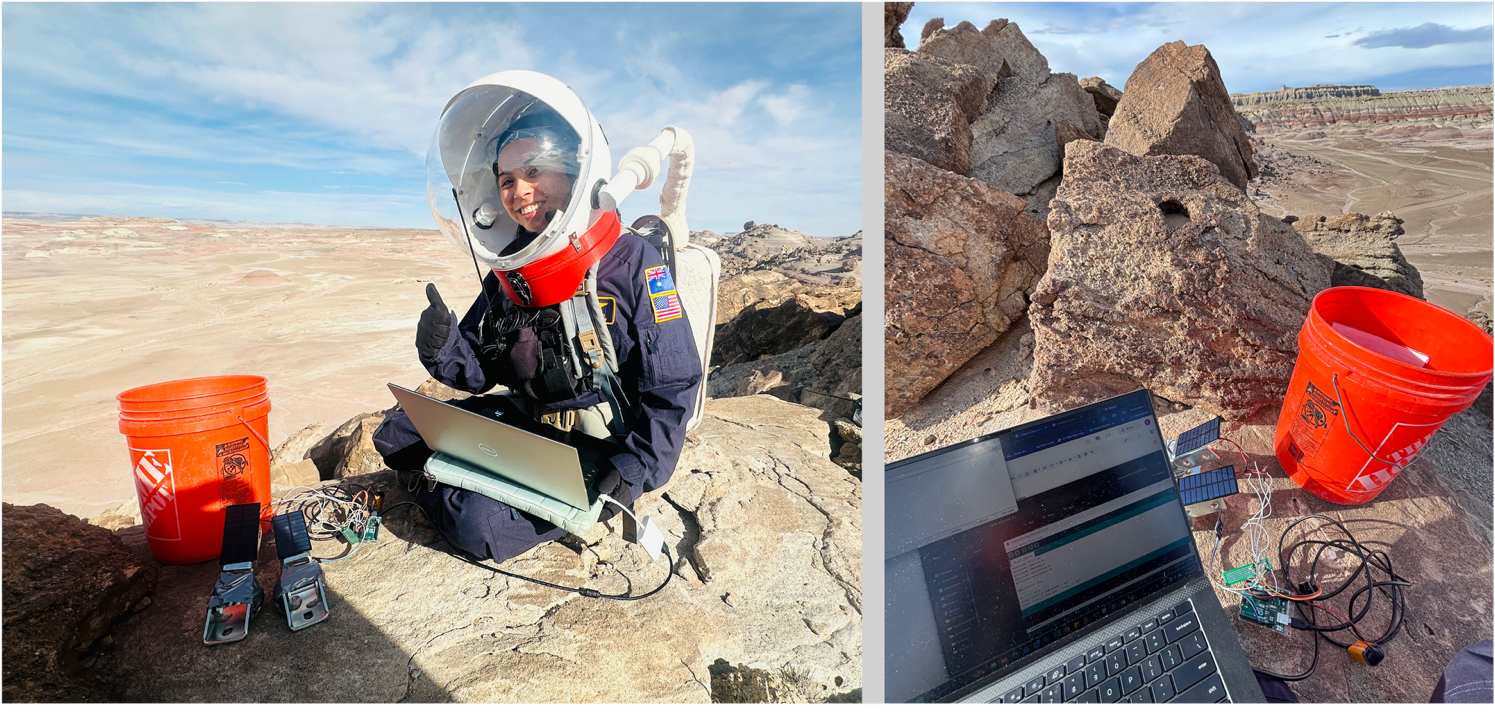
Title: Photovoltaic Measurements and Dust Removal Techniques for Sustained Martian Power Generation

Author: Ellenah del Rio

Description, activities, and results: This project evaluated how terrain elevation and panel angle influence photovoltaic (PV) output in a Mars-analogue field environment, while also assessing practical, low-resource dust/handling mitigation approaches for keeping power generation reliable during EVAs. The system was designed around an Arduino-based logger to collect repeatable voltage-proxy measurements from two fixed panel orientations (25° and 45°) along with a light reference channel, enabling offline operation during limited connectivity and constrained mission resources.

During the mission, the experiment required iterative hardware and software refinement to function reliably in the field. Early runs were limited by intermittent disconnections, inconsistent logging completion, and SD initialisation failures that were addressed through improved offline workflow, reformatting/partitioning to a FAT32-compatible configuration, and repeated validation runs until 30/30 logs could be captured in one EVA session. Field deployment also highlighted mechanical vulnerabilities (panel mounting failure and loose wiring), reinforcing that sustained PV research on Mars depends as much on ruggedisation and repeatability as it does on raw sensor accuracy.

The dataset collected across multiple sites and elevations (including Kissing Camel Ridge and additional runs up to ~1405 m) shows a strong location/elevation dependence in measured output, with notable run-to-run variation even at the same fixed angles. A key operational finding was that higher-elevation trials produced markedly different behaviour than lower-elevation trials, and the experiment notes suggest that maximum output may occur at a flatter angle (≈25°) than the two angles tested in these logged datasets. This supports the need for a broader angle sweep and time-of-day coverage: single snapshots can be misleading because solar incidence changes continuously, and the “best” fixed angle likely shifts throughout the sol.

Dust removal and sustained operation considerations emerged primarily from field handling and durability constraints rather than from a dedicated cleaning apparatus. The mission experience indicates that the most immediate threats to sustained power were: (1) mechanical instability (panel detaching/breaking), (2) connection integrity (a wire detaching but temporarily working when physically held in place), and (3) transport/housing limitations during steep EVA traverses. These issues directly inform practical dust-mitigation strategy selection: any cleaning method that adds complexity, mass, or fragile components risks reducing overall reliability. For this mission configuration, the most defensible approach is a simple, low-failure cleaning protocol (gentle brushing/wiping paired with improved enclosure and strain relief) plus operational controls (protective stowage during movement, minimising exposed adhesive surfaces, and standardising setup steps to prevent accidental contamination or damage).

The results and lessons learned indicate that a mission-ready PV optimisation workflow should prioritise (1) an all-day logging schedule to capture sun-angle effects, (2) testing ≥5 panel angles (including the flatter range suggested by field observations), and (3) a more robust reference strategy for illumination (e.g., maintaining one sensor in a controlled-light position to better interpret changes in the exposed sensor, as suggested in mission notes). Collectively, these improvements would convert the current proof-of-concept into a repeatable field protocol capable of supporting long-duration analogue operations—and, by extension, informing sustained Martian power generation strategies where dust, logistics, and ruggedisation dominate real-world performance.
Title: Assessing the Establishment of Telecommunications Hardware under Environmental Requirements (AETHER)

Author(s): Morgan McCoy

Description, activities, and results: Three trenches, each 5 meters long and with a minimum depth of 15 cm deep were dug, timed, and filled. Two trenches were dug in loose dirt, and it took 8.5 minutes to dig when unfatigued and 12.5 minutes while fatigued from a hike. In hard, rocky soil, it took 32 minutes to dig when unfatigued. When installing the prefabricated cables, it took just over 2 minutes to install and test, regardless of fatigue level. In the habitat, the prefabricated wire took 17.5 minutes and 13 minutes to create. In the field, It took 46 minutes and 20.5 minutes when fatigued and 36.75 minutes and 20 minutes when unfatigued. In all cases, the first terminal took the longest to create and all subsequent terminals were created faster. In field-testing, this is attributed to insufficient free wire length to effectively manipulate with gloves, necessitating additional removal of the outer insulation. These results demonstrate that it is possible to create telecommunication lines during extravehicular activities. With training and practice, such tasks can be performed efficiently in a sufficient time.
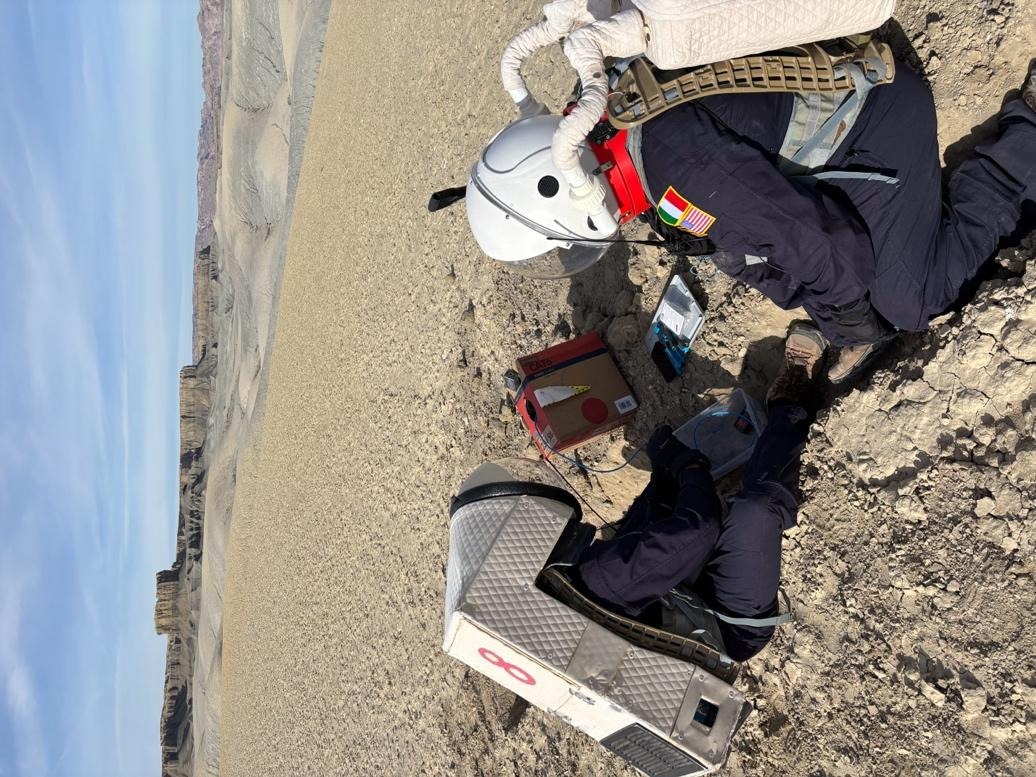
Figure 5. Crew Engineer Morgan McCoy (left) splices an ethernet cable to RJ45 connectors, after having dug a 5m-long, 15cm-deep trench with the help of Commander Cesare Guariniello (right). Will astronauts on Mars be able to manually setup or repair a communication infrastructure when necessary, and how can we address the difficulties of such operations?

Title: Non-Contact Thermal Imaging for Structural Health of Martian Habitats

Author(s): Saranya Ravva

Description, activities, and results: Description, activities, and results: This project explored the feasibility of using non-contact thermal imaging as a rapid, nondestructive method for assessing the structural health of Martian habitats. Thermal surveys were conducted on the MDRS habitat using 2 different handheld FLIR thermal cameras to image both exterior and interior walls under ambient environmental conditions and do a comaprative analysis on the thermal camera specifications. The objective was to identify temperature anomalies associated with structural discontinuities, material interfaces, or potential insulation defects. Thermal images were collected systematically across selected sections of the habitat, with attention to maintaining consistent imaging distance, viewing angles, and measurement parameters. Visual inspection photographs were taken alongside thermal data to support interpretation. The thermal imagery revealed localized temperature variations along seams, joints, and surface irregularities that were not readily apparent in visible-light images alone. In several locations, linear thermal contrasts aligned with visible cracks or material transitions, indicating potential pathways for heat loss or structural weakness. These observations demonstrate the potential of thermal imaging as a rapid screening tool for habitat health monitoring in planetary analog environments. The study establishes a baseline workflow for non-contact structural assessment that can be expanded with repeat measurements, environmental corrections, and long-term monitoring, supporting safer and more sustainable extraterrestrial habitat operations.
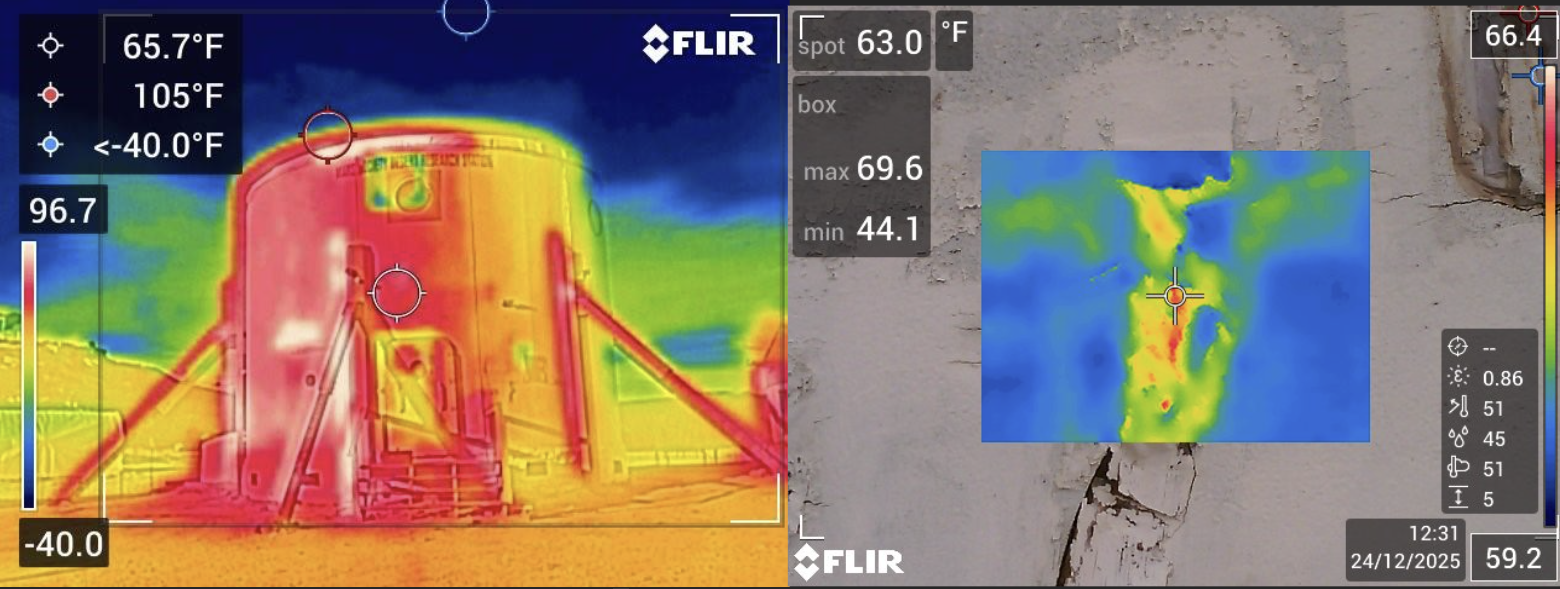
Figure 6. Left: Thermal image of the MDRS habitat; Right: Thermal image showing structural discontinuities on the habitat.

Title: Simulated Microgravity Germination: A Proof-of-Concept for Bioregenerative Life Support Systems (BLSS)

Author(s): Saranya Ravva

Description, activities, and results: This project investigated the effects of simulated “microgravity” on seed germination and early plant development as a proof-of-concept for bioregenerative life support systems in future planetary habitats. Petri dishes were prepared with agar-agar growth media and cress seeds, which were then subjected to two conditions: standard vertical gravity (control) and simulated reduced gravity using a Random Positioning Machine (RPM). The RPM continuously reoriented the samples to randomize the gravity vector, mimicking aspects of a reduced-gravity environment. Seed germination was monitored daily through visual inspection and photographic documentation. Control samples exhibited expected gravitropic behavior, with roots consistently growing downward and shoots upward. In contrast, seeds grown under simulated reduced gravity showed altered growth patterns, including curved, misaligned, or less directionally consistent root and shoot development. While germination rates were comparable between conditions, the morphology and orientation of growth differed noticeably. These results demonstrate that even short-duration simulated reduced gravity can influence early plant development, highlighting the importance of understanding plant behavior in non-Earth gravity environments. The experiment serves as a foundational step toward designing robust plant-based life support systems for long-duration space missions and provides a protocol that can be extended by future MDRS crews.
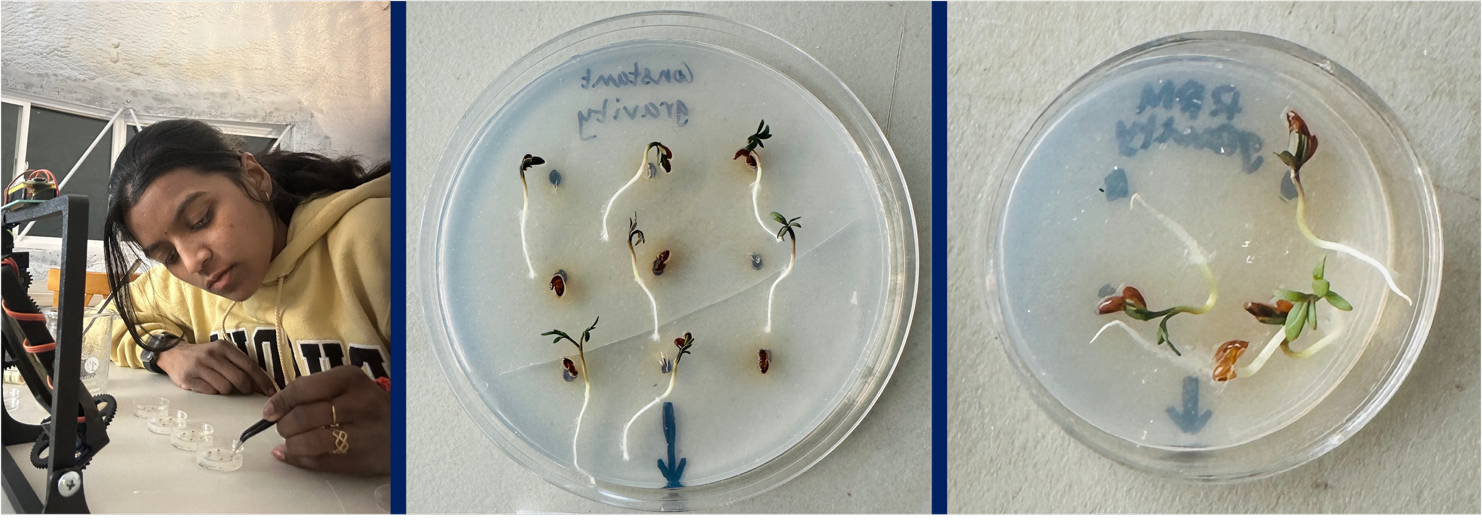
Figure 7. Left: Crew Journalist Saranya Ravva prepares Petri dishes with seeds. Center: seeds that grew with regular vertical gravity (pointing down). Right: seeds that grew in simulated reduced gravity.

Title: Aerospace Evaluation of Training, Health, and Environmental Readiness (AETHER)

Author(s): Adrianna Waterford
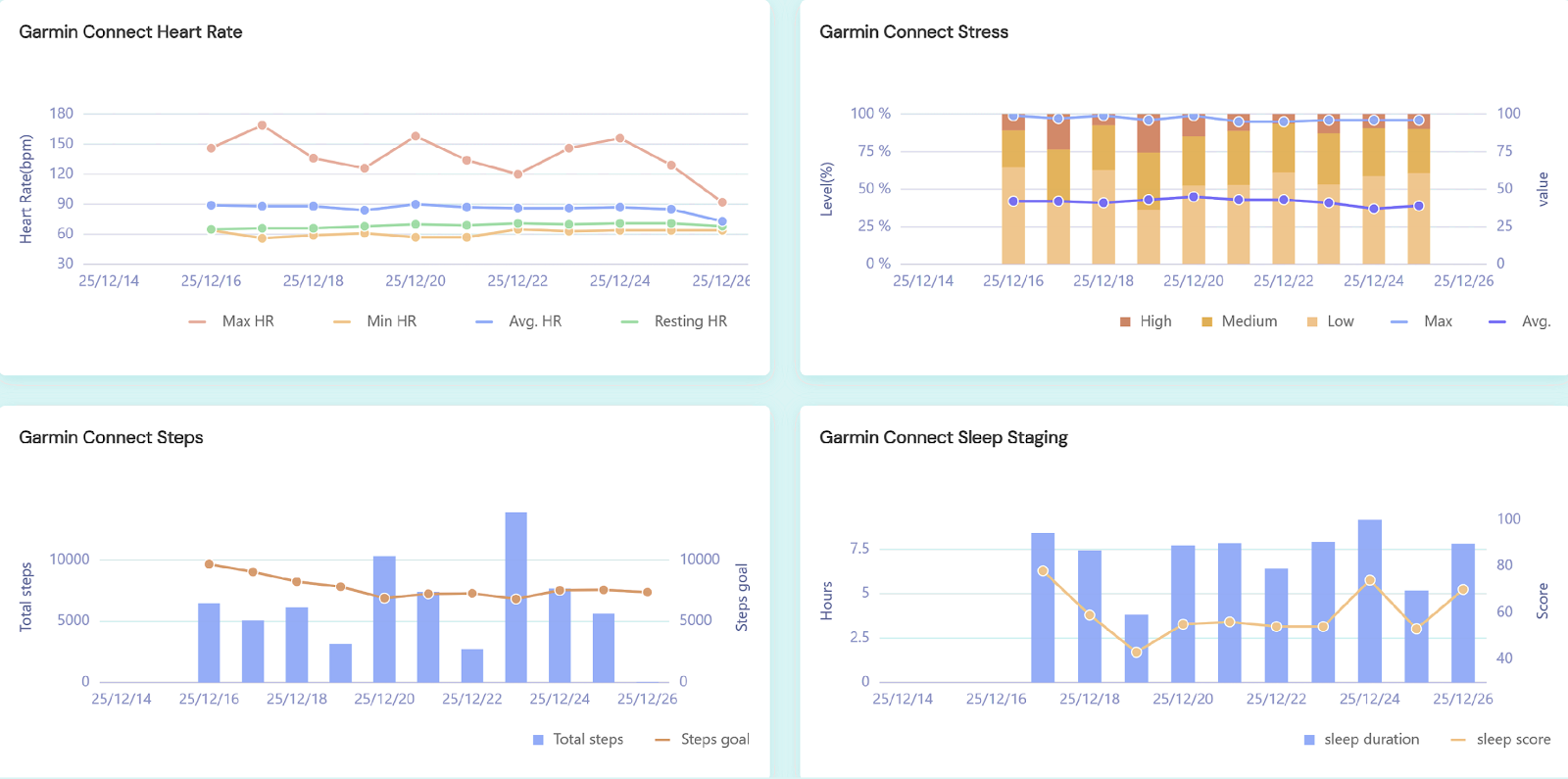
Figure 8. Sample data of 4 metrics collected during the analog mission

Description, activities, and results: AETHER generated a comprehensive, mission-length dataset integrating cardiovascular, autonomic, respiratory, sleep, activity, thermal, and subjective measures to characterize daily crew state in an isolated, confined environment. Metrics collected included heart rate, beat-to-beat intervals, heart rate variability (summary and raw), respiration during wake and sleep, sleep stages, nocturnal oxygen saturation, actigraphy, step counts, activity epochs, and daily activity summaries, alongside skin and device temperature and structured daily self-reports.

The value of this dataset lies in its suitability for machine-learning analysis of interacting physiological systems rather than isolated metrics. The combination of high-resolution time-series data with daily summaries enables modeling of workload transitions, fatigue accumulation, recovery efficiency, circadian disruption, and behavioral adaptation across the mission timeline. These data support approaches such as multivariate trend analysis, anomaly detection, clustering of physiological states, and short-term forecasting of readiness.

The primary objective moving forward is to develop AETHER into a software platform capable of autonomously ingesting wearable and questionnaire data and producing daily, interpretable reports for analog missions. By learning individual baselines and temporal patterns, the system is intended to surface meaningful deviations, cumulative strain, and recovery deficits without requiring manual data review. This approach prioritizes operational usability while preserving analytical depth.

The MDRS dataset serves as an initial training and validation corpus for AETHER. Continued development and beta testing are planned during extended deployments at Rothera Research Station in Antarctica, where longer mission durations will allow refinement of temporal modeling, robustness across environments, and validation of machine-learning outputs for sustained analog operations.

Title: Autonomous Hydroponic Resource Optimization System

Author(s): Adrianna Waterford

Description, activities, and results: This project evaluated the feasibility of a small-scale autonomous hydroponic system for microgreen production in a Mars analog environment, with emphasis on water efficiency, power demand, and operational sustainability. The system was deployed within the GreenHab and configured to support early-stage microgreen growth under continuous crew habitation constraints.

During the mission, the hydroponic system was assembled, operated, and monitored for water usage and power consumption. The system demonstrated high water efficiency, consuming substantially less water than anticipated when compared to soil-based microgreen cultivation. Plant growth was healthy and consistent throughout operation, indicating that hydroponic microgreen production is viable from a biological standpoint in an isolated environment.

However, electrical power demand for the circulation pump and grow lights was observed to be disproportionately high relative to the agricultural output. This level of energy consumption renders the current configuration impractical for long-duration Mars missions, where power availability is tightly constrained.

The results suggest that while hydroponics offers clear advantages in water conservation, energy optimization is the critical limiting factor. A recommended next phase of this work is the development of an autonomous power management architecture, incorporating timed pump and lighting cycles and a dedicated solar power source. Such a system would reduce continuous power draw and more accurately reflect sustainable off-world food production strategies.

Title: Remote sensing for ISRU

Author(s): Cesare Guariniello

Description, activities, and results: This is a continuing project, on the use of remote sensing for the evaluation of geotechnical properties (in particular, water content and bulk size) of material for potential In-Situ Resource Utilization (ISRU) for construction. With the help of the crew, I collected samples of clay rocks at Compass Rock, Somerville Outlook, Barainca Butte, and samples of shales and Skyline Ridge. These samples will be processed once back to Purdue. Outside the project, I also collected basalt samples from the southern region of MDRS, as well as Gryphaea fossils.
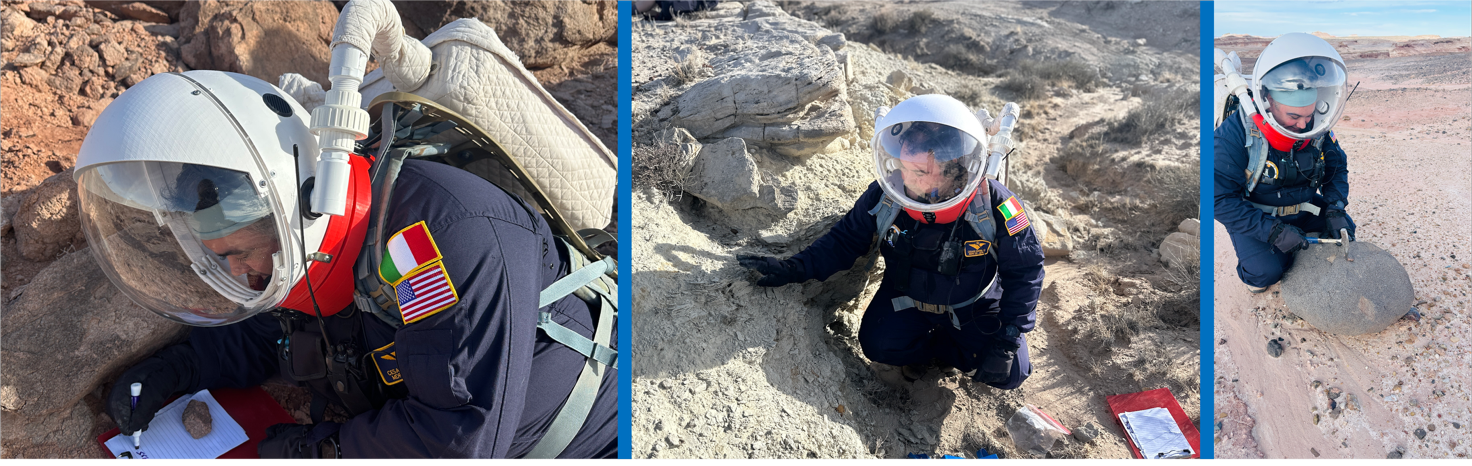
Figure 9. Commander Cesare Guariniello working in the field to collect geological samples.

Title: Integrated Assessment of Physiological Stress and Cognitive Performance in Analog Astronauts: Correlating Salivary pH Levels with CO2 Exposure

Author(s): Isabella Levine

Description, activities, and results: This project investigated the relationship between environmental stressors and human physiological and cognitive responses during an analogue astronaut mission at the Mars Desert Research Station. Over a 10-day period, continuous CO2 concentrations were recorded using multiple sensors placed throughout the habitat to capture environmental exposure trends. Salivary pH samples were collected daily from crew members as a non-invasive physiological stress marker, alongside daily behavioural assessments consisting of short, standardized four-question cognitive tests. These datasets are currently being integrated to examine correlations between CO2 exposure, physiological stress, and changes in behaviour under isolated and confined conditions. The analysis aims to better understand how habitat environmental factors influence astronaut health and performance during long-duration missions.

Title: Microbial Burden and Contamination Risk on High-Contact Surfaces in the MDRS Habitat

Author(s): Isabella Levine

Description, activities, and Results: This study assessed microbial contamination on high-contact surfaces within the MDRS habitat, with a focus on contamination risk in shared living and food preparation areas. Surface swabs were collected from the kitchen table and cultured using agar plates at multiple dilution levels (10⁻², 10⁻³, and undiluted controls) to quantify bacterial growth and assess colony density. Results indicated notable microbial presence, highlighting the importance of improved cleaning protocols, aseptic techniques, and routine surface monitoring in confined environments. Based on observed growth patterns and colony morphology, future iterations of this work will prioritize liquid culture methods over dry plating to improve quantification accuracy and reproducibility. This project informs contamination control strategies relevant to analog habitats and long-duration space missions.
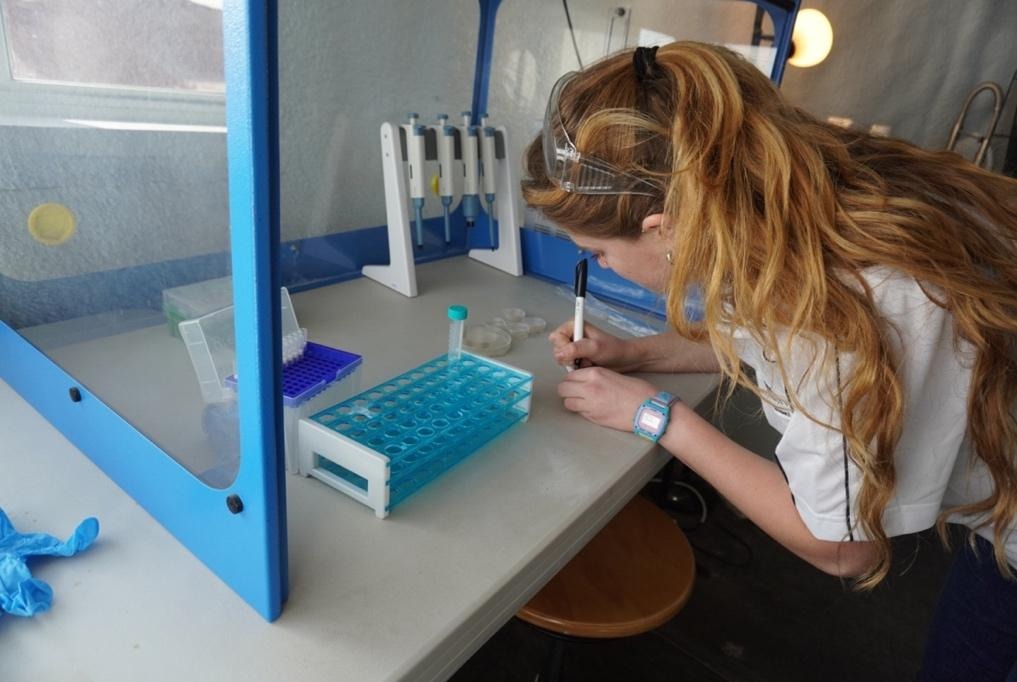
Figure 10. Health and Safety Officer Isabella Levine prepares cultures of bacteria in agar-agar. The bacteria are from swabs collected in various locations in the habitat.

Title: Photo astronomy with the MDRS WF and Solar Observatory outreach

Author(s): Cesare Guariniello

Description, activities, and Results: The mission began with two days of servicing the robotic telescope dome at MDRS. Following these operations, the few clear nights during this mission were used to image M31 (Andromeda Galaxy), Horsehead Nebula and Flaming Nebula, Rosette Nebula, and Triangulum Galaxy. The solar observatory was never used due to hazy or cloudy atmosphere during the day, and the dome was only operated once, to check its functionality.
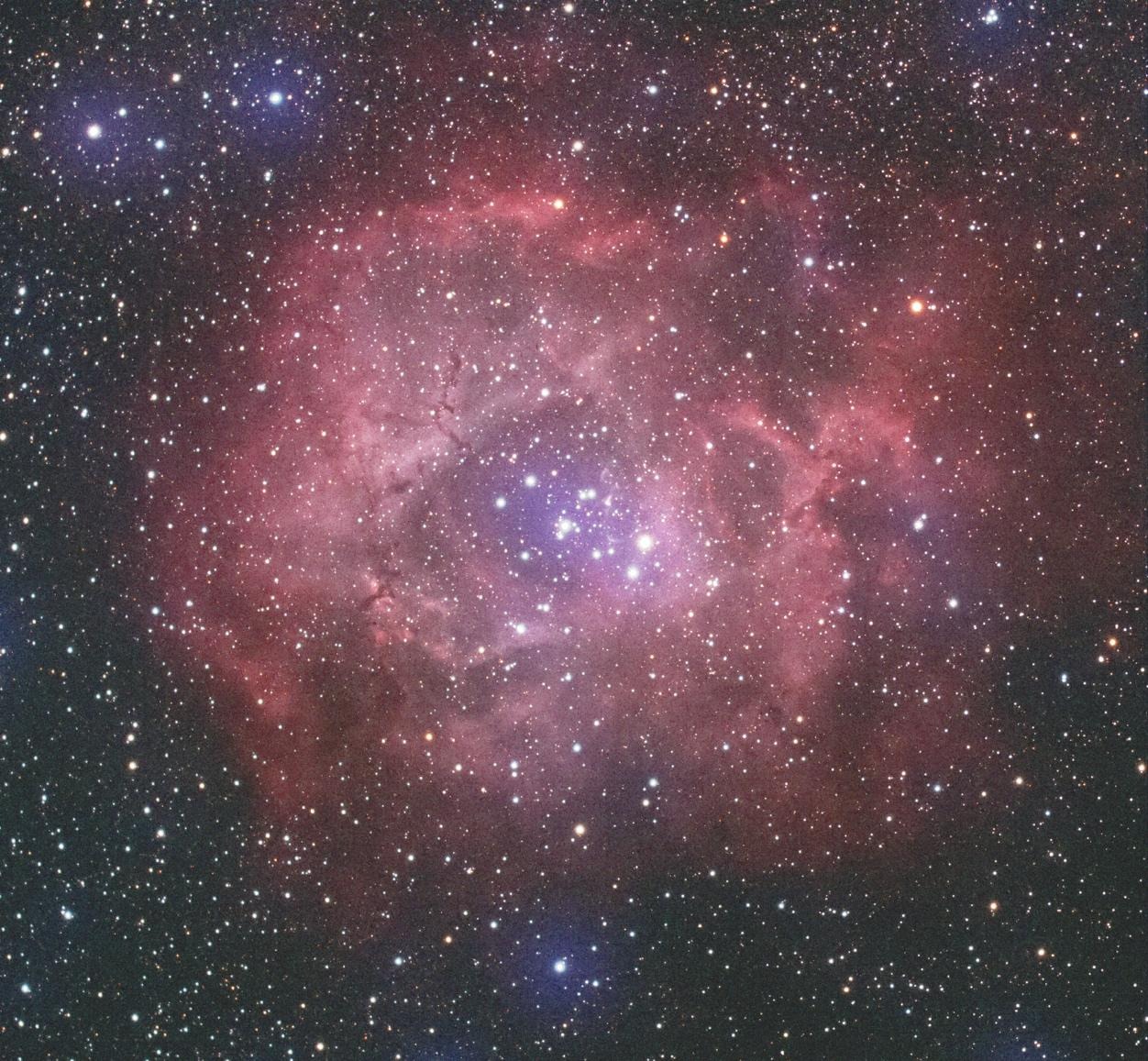
Figure 11. Rosette Nebula, a star-forming region about 5000 lightyears away from Mars. Image from 350 raw captures in red, green, blue, luminosity, and H-alpha with the MDRS-WF telescope.

Communal life at MDRS

Part of the work of analog astronauts is related to experiencing and studying life in isolation in extreme environments, as well as communal life in restricted spaces for extended period of times. Crew 325 spent a relatively short time in these conditions, 12 sols, but practiced activities and techniques that can help with potentially difficult and even dangerous situations that can arise in such conditions. The photos below show part of the experience in an analog mission at MDRS.
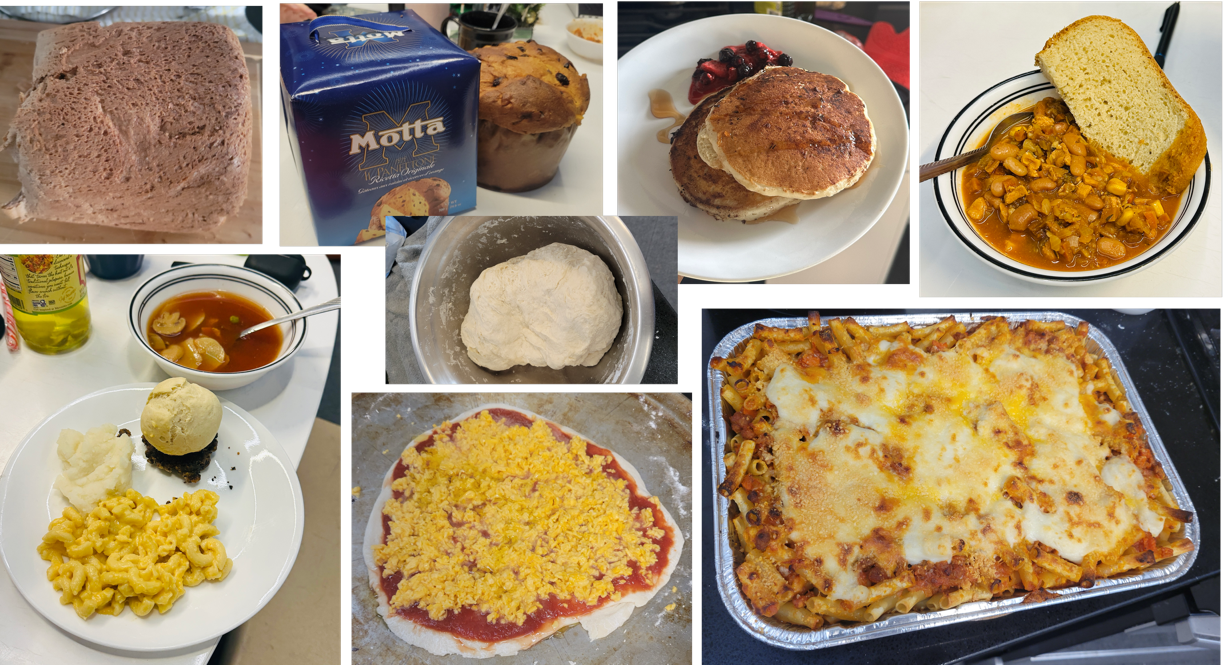
Figure 12. Sample of food from Crew 325 – Aether. Pancakes, freshly baked bread, soups, mac&cheese, pizza, baked ziti, panettone.
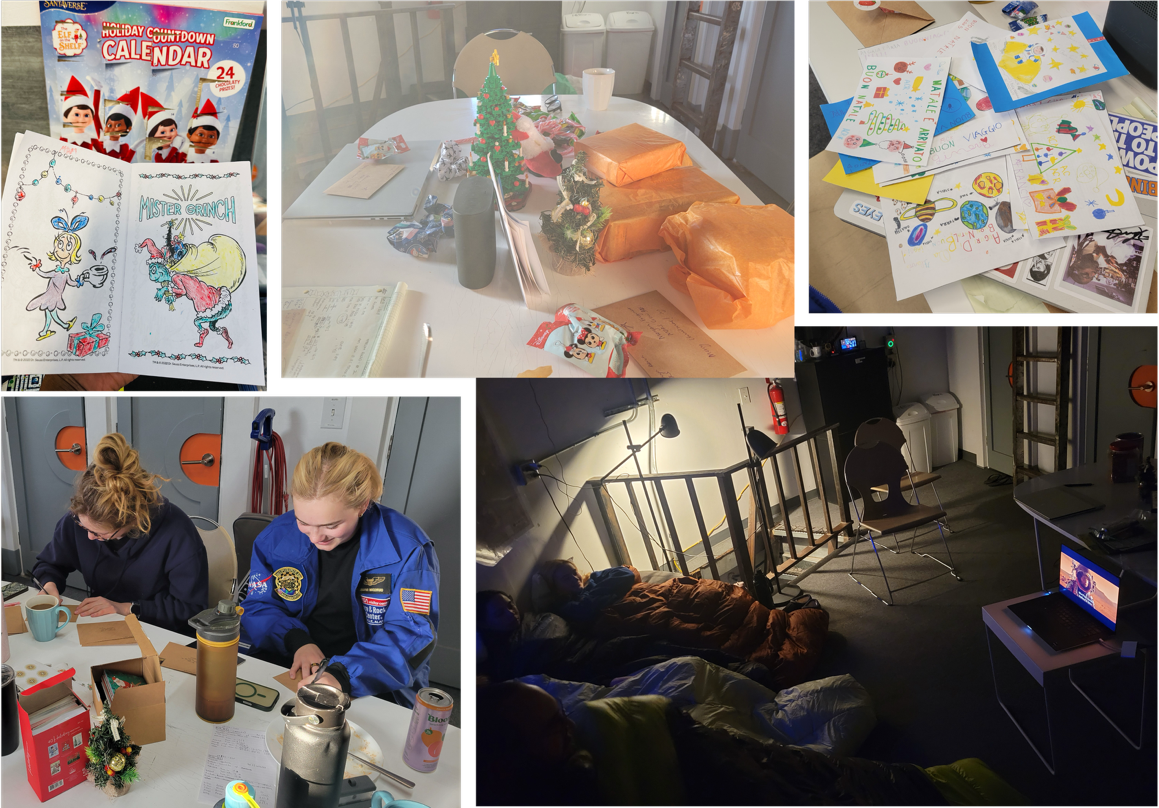
Figure 13. Moments of relaxed habitat life: writing and reading Christmas cards, exchanging gifts, coloring books, and enjoying cozy movie nights (The Martian, of course).

Mars Desert Research Station Crew 325 – Aether

Ad Astra
Mission Summary- May 2nd

Mission Summary

Mission: 315 (Phoenix)

Dates: April 20 – May 3, 2025

Author: David Laude (Commander)

Being a Mars Society crew, we had nearly no previous knowledge of one another, making for an unknown compatibility outcome. As the Zoom meetings progressed it became apparent that this crew could work together in harmony and become friends along the way. Over the course of months, the crew was informed, guided, and educated by the experienced Commander. In the end, with the crew’s diligent work, everything paid off in the form of a fully successful and pleasant mission for all.

The crew is composed of Crew Engineer Michael Andrews, who works in aerospace logistics and is a veteran of the Mars Arctic Research Station; Health and Safety Officer Urban Koi, who is a Space Systems Engineer and student of Space Medicine, and while at the MDRS received a grant from NASA for a project where she is PI; Crew Artist Tim Gagnon, who designed many of the patches for Space Shuttle crews; Senior Editor Elena Saavedra Buckley from Harper’s Magazine as our Crew Journalist; and Commander Dave Laude, on his 6th MDRS assignment and who has previously been Engineer, Executive Officer, Journalist, and Commander. Our Crew Journalist will write a lengthy article for Harper’s Magazine about our mission that will be published later this year. We had nine research projects in total to perform.

“Also Sprach Zarathustra” ("Thus Spoke Zarathustra") by Richard Strauss in the late 19th century and made famous by the 1968 movie “2001: A Space Odyssey,” was the first music piece heard while awaiting depressurization in the airlock when the mission commenced shortly after noon on April 21st. Our Journalist was the first of us to set foot on this dusty red globe making its way around an orbit not the least affected by our meager presence on this world. Other music pieces were played on subsequent EVAs, helping to pass the 5 minute air lock time intervals. With no sound those 5 minutes seemed like 20.

Since most crew members had never traversed the analog Martian regolith before, it was especially important to familiarize themselves with the procedures of the MDRS Campus. During the beginning of the mission, the crew became acquainted with the expected duties of their roles, way around the campus, use of radios, and operation of the EVA suits and rovers.

The Phoenix Crew quickly became accustomed to their Martian home, as the sols gradually became more habitual and routine. Mornings started with coffee, breakfast, and then the 8:00 AM daily planning meeting. By 9:00-9:30 we had the first EVA of the day started, then lunch, followed by afternoon EVAs. Arrivals to the hab after an EVA were frequently greeted by the smell of baking bread or dinner cooking. We were so fortunate to have three talented chefs who made a variety of great dinners from mostly freeze dried food. The Commander while on Zoom spoke of the great food possibilities with freeze dried, and he even submitted some photos of past meals, but the crew was still pleasantly surprised over the outcomes. The chefs made use of micro-greens, herbs, and cherry tomatoes from the Greenhab.

Here is a list of our interesting and diverse projects by title. For more detail, see the many other mission project reports.

-Methodology for Extending Mobility Range on Mars

-Essay for Harper’s Magazine

-3D Mapping of Samples

-Examining Oyster Mushroom Growth in a Martian Greenhouse Environment

-Evaluating Drone Piloting During EVA on Mars

-Measuring Soil Desiccation Patterns Near the MDRS

-100cameras Method: Photography as a Tool to Mitigate Psychological Stress in Space

-Illustrating a Mars Analog Mission as an artist.

-EVA Connectivity Kit

The entire crew took a special liking to the Commander’s “Methodology for Extending Mobility Range on Mars” project, as the object of the range extension was a massive monolith sitting on a broad flat area. It was extremely unusual in appearance and appeared to change color from black to light colored like its background which tended to hide it. This could at best be seen in the far distance with the naked eye, but the project provided the means to get within about a kilometer of it by drone after driving rovers as far as possible, walking towards it, and then releasing the drone brought by the HSO. The closest photo of the Monolith reminded the Commander of a bird, with wings spread and head held high—perhaps a pose our Phoenix could do and thus was named the Phoenix Monolith. This mysterious object will somehow be a subject of another crew with our Commander.

Some evenings we had a few hours of free time and watched Moonbase 8 mini-series. The Commander brought some historical technological artifacts from the 20th century for a show and tell that included magnetic tapes, punch cards, electron tubes and discrete transistor circuit boards. One night he played his MP3 recording of his “Sunrise from Olympus Mons” opus (music).

As in any remote station, there were maintenance activities that included fixing EVA suits and batteries, dealing with power interruptions, broken tunnel zip ties from wind damage, and more. The engineer made sure that the Hab was functioning nominally by monitoring and emptying the toilet, calculating water levels, and inspecting the station’s facilities in the midst of uncertain power supply.

By any standard the mission was a complete success, if not a great success. CNBC sent a videographer for a special project to be shown on public media regarding human’s readiness for a Mars expedition. Sadly, the mission ended in intense preparation to leave this unique experience and place, completely upsetting and ending sim. A feast at the local Duke’s Slickrock Grill in downtown Hanksville celebrated the success. Fortunately for the Commander, another mission has been approved with him one year from now on Crew 335, and the Crew Engineer will soon be headed back to Flashline for a week of renovation and maintenance.

Mission Summary – April 18th

Crew 314 – Mission Summary – 18Apr2025

Curiosity Brought Us Here, Perseverance Kept Us Going, Opportunity Pushed Us Further, and Spirit Made It Matter

We are seven Belgian students, from Bachelor’s to PhD levels, brought together by inquisitiveness and purpose, each rooted in a different field — medicine, biology, bioengineering, geography, data science, and physical therapy. Over the course of a year, we prepared side by side in Belgium, not just as individuals, but as a crew — the Syrtis Crew, representing Mars UCLouvain.
On April 6th, 2025, we arrived in Utah, eyes wide with wonder and hearts full of anticipation. That evening, under a fading Earth sky, we took our first steps into a new rhythm of time and place — Sol 0. With excitement buzzing in the air, we explored our new Martian home, and by nightfall, the simulation had begun. A journey awaited — not just across red soil and silence, but inward, toward what it truly means to live, learn, and grow together.
AD_4nXcE9GgPeod_cgMjlxo6eHNGkZAF63X2YlQY2BjPP2uYmu0WLR-Schcuvg3D6p9P1G1DA1FtIs8rSF2v9EZfeqLBVQDh7Y95f8Iv4NuVgvv4H3_qsziZ1QgRGud9FY1l3qLDPzgTy9hTl9jFoK8mEVM?key=vaUUQ9Gv5yKzhzTWOV3PBZ68
AD_4nXdoJ1VNSTunesmHw_4rJ6NtNzIJr9nArofEwZy4jIoo3Ixb7HSMxAd9VXIxMK-9I9YsX673b_MWbPjpBXJrsk9w8cuitl7UoYZ_rh091T869umnldpHN6e9e55fcU1hNZlpbHjmnERCSe60Lel0OJA?key=vaUUQ9Gv5yKzhzTWOV3PBZ68
AD_4nXd-lzFf1RmTkrVlMAaYsj4SCkTl2hsTpJISqVlbbhEHV8VB-8MuQivzUt-x17bFdVAzhBpOLpQpA4r-8z8C1xXTiO6D8kF5jDv_rSujlJgvJzuPhCtO6yGmU6iXtMnE-tbJPZYp3otnbVt3OIMdfbQ?key=vaUUQ9Gv5yKzhzTWOV3PBZ68
Every mission starts with its crew — here is ours.
Béatrice, our commander, is a medical student and a natural-born leader. She was eager to explore every corner of the Red Planet. Most of her time was spent organizing and leading EVAs, and when she wasn’t dreaming of the outdoors, she worked with Arnaud on a health science experiment and kept the crew active through daily exercises — either on the home trainer or strength training inside the Hab.
Arnaud, our Executive Officer, was like the crew’s wise soul. The only one among us who had already been on Mars the year before, he brought calmness and steady presence. He worked closely with Béatrice on their research and also analyzed our sleep and well-being during this unique time.
Antoine, our Crew Engineer, studies geography when he’s not pretending to be an astronaut. Initially quiet, he gradually opened up and became one of the most caring members of the crew. He loved spending time outdoors, as his background suggests, and studied the effects of wind and dust erosion. He also built a creative and original device to conduct his experiment in the Martian landscape.
Batoul, our Crew Journalist, may be the youngest at 22, but her dedication and hard work would make you think otherwise. As a microbiologist, she is both funny and fiercely determined. She spent most of her time in the Science Dome, studying how different bacteria might survive on Mars under stressful conditions like UV-C radiation. She also mastered the art of making bold and delicious pancakes for the crew.
Bérengère, our GreenHab Officer, is a PhD student in bioengineering. She is calm and observant, always offering the kind of small attention that brightens your day. She studied the effect of Martian conditions on fungi—how they grow and replicate—often working side-by-side with Batoul in the Science Dome. She also became our resident baker, delighting us all with incredible homemade bread every morning.
Louis, our Astronomer, is a data science student and a man of many talents. He can cook, sing, and name every rocket launch from the past decade, with a playlist even Spotify would envy. When the sun allowed, he spent his time in the Observatory, capturing the star. He also worked on an experiment about human-machine interaction and taught us all a bit of astronaut coding. Always ready with a joke, Louis was the heart of laughter and joy in the crew.
Odile, the Health and Safety Officer, is a pediatric resident on Earth, though sometimes she forgot the crew wasn’t made of her usual tiny patients. She was thrilled to teach basic life support to the crew and led simulated medical emergencies by day and night, always pushing the team’s limits while supporting them through this deeply human journey. She also tried to capture this experience through her drawings, using pencils and brushes to bridge the distance with Earth, inspired by this landscape echoing ancient times.
We spent our first night on Sol 0, transitioning from Earth’s days to Mars’ longer ones—each day here lasting 39 minutes more. To capture the essence of our mission, we would trace three paths: one of exploration, one of science, and one of humanity.

The Adventurer
Our first steps on the Red Planet were cautious, even a little nervous. We began exploring nearby sites like Marble Ritual, which quickly felt like home. We had to learn how to move, how to communicate in our suits. Each of us was assigned a number—one that matched both our radio and spacesuit—becoming a small but meaningful part of our identity during the mission.
Accompanied by our loyal rovers—Opportunity (wise but slow), Curiosity (young and fast), Perseverance (steadfast in all terrains), and Spirit (never giving up) — we pushed our limits. From the arid Pooh’s Corner and Cowboy Corner, to the shell-covered Sea of Shells (an ancient ocean), then to the majestic Candor Chasma where the sky seems to deepen with each step, we explored further into Martian landscapes.
We reached the Special Region — so hauntingly beautiful that our doctor-artist Odile was inspired to sketch ancient creatures, imagining the fossilized giants that once roamed this land long ago — and finally Green Mars View, where hope flickers like the serpentine river winding below. At each destination, our GreenHab and Journalist Officer reminded us to collect soil samples, and our Engineer installed his equipment to monitor wind and dust, assisted by the MDRS weather station.
AD_4nXec25iWJTZkCCeEk9PYjrEWpV_FEqc6fx_La0RgLPJ5CUMcFR6J3y3FHGYliwqo4wczVJ1Dzig1GndqKuR89Xj8nwuExHbYJGrvFtvWezUg2458Gz0ERyLV5VyjqBiyKpXHlJU45NCMUNgGNe166g?key=vaUUQ9Gv5yKzhzTWOV3PBZ68
AD_4nXe8xUa9Y4TlAjeiAeqTsW33PH68Oj0wPObZzfIWDF3gpmS-0aWQmqDGZ3ljsktXaUMd3s-_tq65VJpJYpSzGnt7zNztWllIkW-PnXiY13h2eZw_2T4ALKRUcf7z6v5X_Q-y3sLb3vznK0sLWCcAgzM?key=vaUUQ9Gv5yKzhzTWOV3PBZ68

The Scientist
Science was at the heart of our mission. Each crew member dedicated long hours to their field experiments (details available in the End-of-Mission Research Report). But our mission was not just about our personal research—it was also about paving the way for future crews and staying connected to our Mission Support Team on Earth.
Each day, we played our roles—Commander, Executive Officer, Engineer, Journalist, GreenHab Officer, Astronomer, Health and Safety Officer — and took responsibility for the functioning of our small Martian society. From monitoring water levels to troubleshooting a pipe leak in the toilet on Sol 3 (yes, bathrooms matter even on Mars), these roles kept us grounded and functional.
Despite the challenges, we sent in daily reports to Earth, capturing our activities and every difficulty we faced—big or small. Most of our time was spent in the Hab, but also in the RAM, Science Dome, GreenHab, and Observatory. Unfortunately, the sun grew shyer as the days went on, limiting our Astronomer’s work. Still, he managed to capture breathtaking images of the stars, encouraged by Peter Detterline, who supported us from Earth.

The Human
Above all, this mission reminded us that we are, first and foremost, human. It was made of highs and lows, of challenges and shared moments. We cooked together (some might say we became gourmet chefs of freeze-dried food), listened to music (occasionally singing, as the Science Dome has magical acoustics), played games (creating rivalries that may last a lifetime), and read stories, wondering if perhaps one day, we might be characters in someone else’s adventure.
AD_4nXcbzIiazfUIJt02Ld7PS1mKz95Mje4ppQ_CCNeP3V1mecdpETsYfBOi4cAoHMSu0SZPRWnUuTlJm2U-MaBuXB6pdY7xhdmmVTFHqy-Zcjd0LISlUhGcr7c-i2GWuq096TUz52e-khZJhdYHUKfUTmw?key=vaUUQ9Gv5yKzhzTWOV3PBZ68

Today, our two-week simulation comes to an end. Our feelings are hard to put into words—caught somewhere between excitement and sadness, joy and nostalgia, happiness and bittersweet reflection. This experience will stay with us forever.
As someone once said: It may have been a small step for Martian exploration, but it was a giant leap for all of us.
Thank you, MDRS, for this unforgettable journey.

Mission Summary- March 14th

Crew 311, for ISAE-SUPAERO, spent 4 weeks in the MDRS station, from 16-02-2025 to 15-
03-2025.
The simulation started on Sol 1, when the crew closed the door of the station! Ready and
motivated to perform experiments they prepared for a year; the seven students were very
excited to start the mission.
AD_4nXcloNlDBReBTaMfGu6pTxZXTVeawoPoh9nhGW4KHyS3MHgDIm0Cv45onZOcMWsyiUP7ZneCQYa50JbMAljwvFQ6tivcXbrZMcq1fnOmotZPpJDKT8saSds9zBg98l4lK1PWUlhRXspllMqvgsDKhA?key=aQxG6_JUzWwaRPGoEF_sNZxo
The first week of the mission started with a lot of work! We concentrated our energy on
building the atmospheric instruments: MegaAres, LOAC, the Field Mill and Cosmic Watch.
Once deployed, on Sol 3 during an EVA, they were able to collect atmospheric data such as
dust particles or electric fields.
AD_4nXfs2NtSkiiNI50aDq-knDOqqvChbxh5vdvG7-SrIEgasg3NryWQpjW0ss1Pqm2mMEOK-lb3yppG2cs-N88-D0mOn1UsD6Qhe8NWQtVvo004GLMfok0t56xm15BtYAKT73e9Kwb4ujDJIc07uq3Xcjg?key=aQxG6_JUzWwaRPGoEF_sNZxo
We also had a lot of experiments to install, especially Orbital Architecture. For this
experiment, we had to install anchors that allow the researcher to know where every crew
member is in the station. This experiment also collected data such as heart rate or stress
level.
During the first week, everyone familiarized themselves with their own tasks, specific to
their roles. Especially, our GreenHab Officer started to take good care of the GreenHab and
planted the micropouss to study them!
As well as the installation of our lights for the Lattal experiment, we installed our 3D printer,
which was very useful all through the mission!
The first week also started our daily routine, starting at the wake up with the retrieval of a
large set of physiological data: temperature, oximetry, sleep diary, impedance meter, … After
Core Data retrieval, each day started with a sport session organized by our Health and
Safety Officer, which we enjoyed every day very much!
Outreach is a very important part of our mission. We place special importance on this
subject, as sharing our passion and commitment to science and the space field, especially to
younger generations, seems essential in the mission we conduct. For this reason, we had a
lot of different projects with French high schools’ students, such as the micropouss growing
monitoring, or the organization of sport sessions. WE started those activities on the first week
of the mission, but they continued all along the mission, with also some video recordings to
answer students’ sessions.
Week 2 in the station started with the beginning of our main experiment requiring EVAs: the
photogrammetry experiment! The aim is to go to a place with a drone, take pictures with it,
and use them with dedicated software to process them and obtain a 3D map of the area.
After that, a team is preparing the finding of checkpoints with the 2D map and another one

with the 3D map, and we compare their performances. This experiment requires 3 EVAs per
week, which we achieve on the week 2, 3 and 4 of the mission!
Une image contenant plein air, nature, ciel, Affleurement Le contenu généré par l’IA peut être incorrect.
The stratigraphy experiment is in collaboration with geologies and requires EVAs during the
mission. Our Crew Astronomer, between 2 solar observations, and our GreenHab Officer
specialized in this subject and helped the geologies by taking pictures and drawing some
areas around the station. It is also during week 2 that we decided to write abstracts to write
papers about different topics of the mission: organization, Core Data, outreach, … We hope
to present them at the IAC!
The beautiful solar observations of our Crew Astronomer led to an even more beautiful video
of the Sun, which incorporated perfectly in the mid-mission video we created. We worked
hard on it, with the aim to represent as best as we could what our mission looks like!
It is also in week 2 that our Crew Engineer and Crew Journalist spent a lot of time
troubleshooting AMAIA, our AI assistant. Some features worked well, but all along the
mission we didn’t manage to make it work perfectly…
Une image contenant texte, personne, ordinateur, Appareil électronique Le contenu généré par l’IA peut être incorrect.
But some other experiments worked very well at the beginning of the mission, such as the
HUMANISE experiment in which we teleoperated a rover, located in the Netherland, in direct
from the station!
Every day, we continued to fill out our daily questionnaires, for various experiments. We also
recorded every day, personally, an audio for the EVOLSAN laboratory, which studies our
voices and how to detect stress for example. For this experiment, we also wore a micro for a
whole afternoon, once a week!
At mid-mission, every crew member had an interview with the Crew Commander to recap the
first two weeks of the mission, and to take a fresh start for the second part of the mission!
Week 3 started with the second session of photogrammetry, at Sea of Shells, the further of
the station we’ve ever been! It also marked the beginning of the brainstorming session for the
Orbital Architecture experiment. This experiment aims to study the architecture of space
stations, and how it impacts astronauts’ performances. For this experiment, we wore
biosensors, performed cognitive tests regularly, and had sessions in which we talked about
how to improve the station architecture, regarding our experience of it! We had three
sessions, talking about different modules one by one.
AD_4nXejBLxN0J34ZZsM5ZbUXuoHmabiyzEFSKMh3rHLK4OZ0ICLlkx5O8O_KMUszermhv-OrfPTOxCoA_qtxPULx722RQ9_UZcxb3j-2TY9YLIAPhHpETt3qF4UKN6Bi0trwPEZcE5MZEam0DpNRrdnpmk?key=aQxG6_JUzWwaRPGoEF_sNZxo
In week three, we also started to create a lot of documentation on our experiments, and
especially our Core Data, the physiological and environmental data we retrieve every day. It
comes with a lot of data handling, for all our experiments.
After the beautiful observations of the Sun during the first two weeks, Crew Astronomer
continued to work on his own astronomy project. He aimed to analyze the trajectories of solar
flares, to link them to coronal mass ejections. He succeeded at the end of the mission to
finish all the work he wanted to do!
Crew Engineer and Crew Scientist started to build the SUPAEROMOON rover. In
in collaboration with another student club of our engineering school, ISAE-SUPAERO, we 3D-
printed all the parts of the rover and tried it on the Martian ground!
AD_4nXdFMjQGOEeecxC_rfWPfPMpbhCAw-XBmWq7BsAzTtwiu2shjdJQWDZKLobA0_DBt5WkAui80SKUU1ThZ8up-x4aWCEFHRetsKMNN9IbXIy28_xCsMu3LdjcB2Nleo-9dIOnMV52Is3ElEg2GM3T-Jo?key=aQxG6_JUzWwaRPGoEF_sNZxo
At the end of the third week of the mission, a hole in the tunnel system led to an
emergency EVA, in which crew members successfully fixed the hole and saved the station!
We ended the week by eating the micropouss that our GreenHab Officer grew. Radish or
wasabi, we were very happy to taste them, and it was really surprising! It also highlights an
important part of our crew : cohesion! We are a very close group, having a lot of fun together
even if we work a lot. We had time to enjoy life in the station, play games, cook together, and
even had an escape game to save our mascot on the last Sunday of the mission!
The last week of the mission started with the last session of photogrammetry at Kissing
Camel Ridge W. Other crew members defined the checkpoints and flew the drone. It was
interesting to end the experiment this way! Experiments runs continued to happen, such as
Orbital Architecture’s cognitive tests in all modules and the VR teleoperation of the rover for
HUMANISE.
Scientific outreach was still a huge part of our actions, with videos filming and answering
questions.
As the end of the mission approached, it was time to start and uninstall everything, and
especially the atmospheric instruments, during our last EVA on Sol 26. This last Sol was
mostly packing and cleaning everything. The crew remained very happy with the mission in the
station, from all points of view: human, scientific, … Now that the mission is finished, it
doesn’t mean the work is finished! Crew still must ship back equipment, do some feedback
for the researchers, do some communication, etc. It is a new beginning!

Copyright © The Mars Society. All rights reserved. | Main Site