Crew 309 End-Mission Research Report 22Mar2025

[title End-Mission Research Report – March 22nd]

[category science-report]

Crew 309 Mission Science Report
MDRS, Saturday 22 March 2025

Name of person filing report: Aaron Allred
Overview: Crew 309 has been in the MDRS for one week, conducting a pilot
experiment within the research domain of aerospace human factors research. Due to
the nature of these experiments, the six-person habitat crew has remained naïve to
the experiment objectives, which have been coordinated by a separate three-person
experimental team stationed in nearby Hanksville, UT while running remote
operations by day out of the science dome.
In particular, our primary experiment examined how aspects of teams, confined to an
isolated space analog, influence information processing, communication, and
performance amongst dyads performing simulated EVAs. As such, our experiment
required different combinations of the six-person habitat crew to perform a series of
12 EVAs over the course of the week. During these EVAs, the crew was in full sim.
Due to the ongoing nature of this experiment (and being a pilot test), some of the
finer experimental details are left intentionally vague. Please feel free to contact us.
Name: Extravehicular Activity Navigation Tasks
Type: Human Factors: Judgments and Decision-Making
Crew: Full Crew
Description: The crew performed a series of 12 EVAs over the course of a week
(each lasting ~3 hours) in various dyad pairs. These pairs were structured by the
experimenters a priori to produce unique combinations across team members, who
were each assigned unique roles including Co-Commander A, Co-Commander B,
Scientist, Engineer, Medic, and GreenHab. These roles provided an assigned
hierarchy that was assessed for natural evolution throughout the mission week using
subjectively reported nightly surveys, as well as after EVAs.
During these EVAs, which represent unique experimental trials, crewmembers were
assigned unique pieces of information that could not be shared physically but could
be shared using other forms of communication (such as over radio). This portion of
the design used distributed information sources to simulate distributed expertise that
may be encountered during future space missions EVAs.
Navigation performance was gathered using Garmin T5X GPS tracking equipment in
real-time. Experimenters had access to a Garmin Alpha 10 handheld and Drivetrack
71, which enabled this real-time tracking and monitoring. In addition to voice and
position sensors, pilot participants were outfitted with physiological sensors, which
included eye-tracking glasses. For this pilot experiment the Tobii 2 was utilized, but in
future experiments, the Tobii 3 is planned. Following EVAs and at night,
crewmembers filled a number of surveys. To facilitate these devices, custom
spacesuit simulators were designed and engineered for this mission.

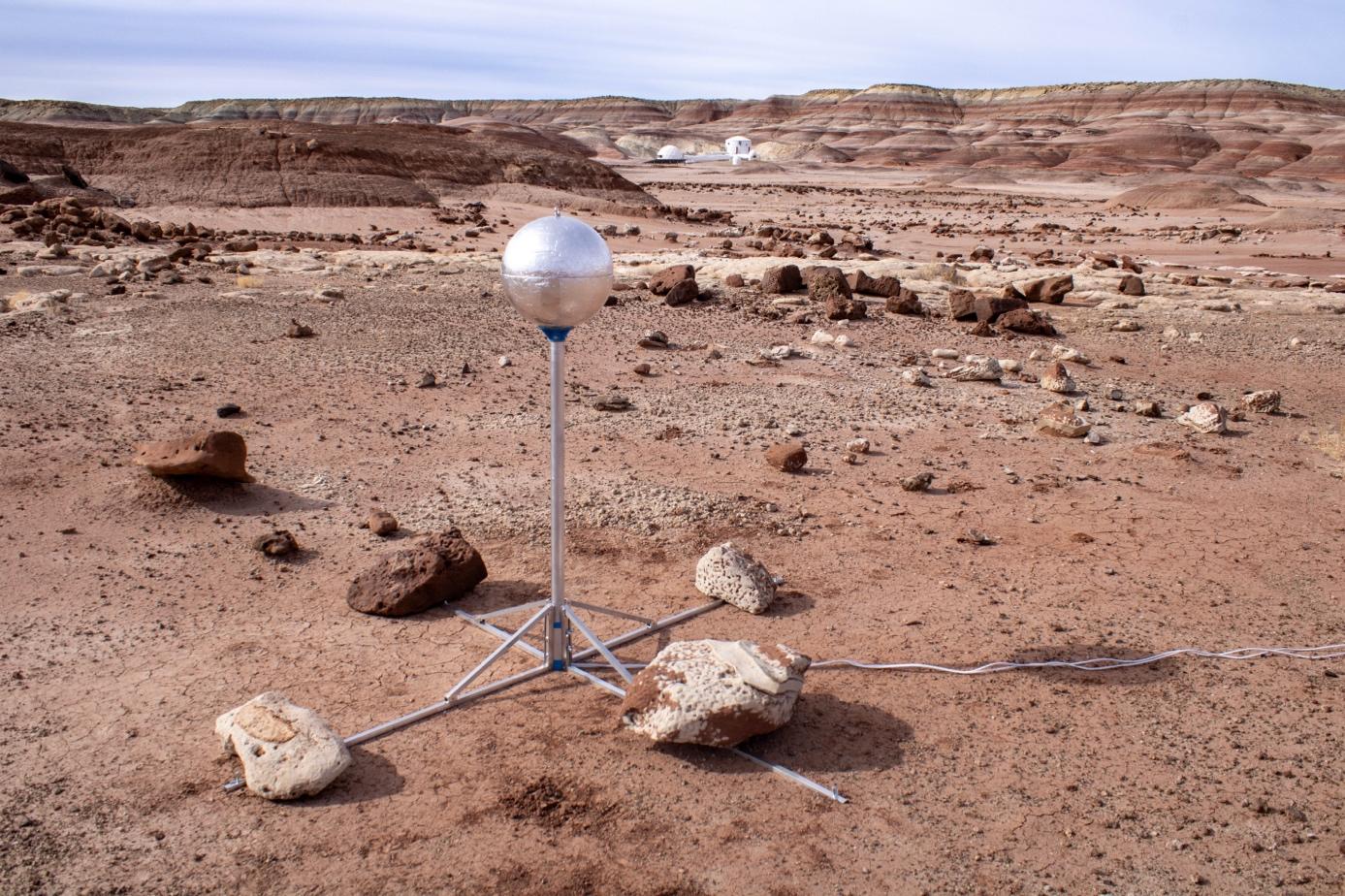
A vehicle in a desert AI-generated content may be incorrect.

Figure 1 . Return from a dyadic navigation task on the final day.

Status:
All experimental conditions were successfully piloted by the crew over the course of
the course of the simulation. In addition to executing these tasks in dyads,
crewmembers also successfully made autonomous repairs to their custom spacesuit
simulators, eye-tracking equipment, and survey software. This pilot experiment
demonstrated that a trained crew is capable of performing autonomous, in-simulation
human factors research at MDRS for full data collection at a later date. Further, this
pilot experiment gave key insights into how to titrate the task difficulty at each of our 6
EVA sites, streamline experimental operations, and provide a more representative
spaceflight-analog isolation and confinement experience to crew members.

Astronomy Report – February 17th

[category 

astronomy-report]

Astronomy Report
Name: Quentin Berlemont
Crew: 311
Date: 02/17/2025

MDRS ROBOTIC OBSERVATORY
Robotic Telescope Used (choose one) MDRS-14 MDRS-WF RCOS-16
Objects to be Imaged this Evening:
Images submitted with this report:
Problems Encountered:
MUSK OBSERVATORY
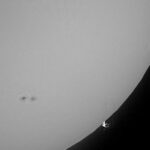
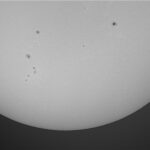
Solar Features Observed: few sunspots + protuberances
Images submitted with this report: 2
Problems Encountered: I followed all the steps for sun imaging, it
renders great until I select "Stack" on sharpcap, which makes a double
of the original image and place it on top, as you can see on the first
image linked. It is not related to a long exposure time as I only took
1000 images for about 3 seconds. Could you help me with this issue? Also
I see absolutely no difference both in the eyepiece and the camera when
turning either tuners, maybe they are too far engaged? What should I do?

Astronomy Report – February 18th

[category 

astronomy-report]

Crew 311 Astronomy Report 18Feb2025
Name: Quentin Berlemont
Crew: 311
Date: 02/18/2025
MDRS ROBOTIC OBSERVATORY
Robotic Telescope Used (choose one) MDRS-14 MDRS-WF RCOS-16
Objects to be Imaged this Evening:
Images submitted with this report:
Problems Encountered:
MUSK OBSERVATORY
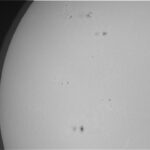
Solar Features Observed: few sunspots
Images submitted with this report: 2
Problems Encountered: I did as you told for the tuners, it seems to
work! On my previous report I confused the program names, I meant "stack
on registax". It seems that the issue was due to the telescope moving
somehow because today the pictures are clear! Do you have advices on how
to set the tuners to make the best images of the chromosphere or
prominences?

Research Report – March 14th

[category science-report]

Crew 311 Mission Science Report
MDRS, Friday 13 March 2025
Name of person filing report: Somaya Bennani – bennani.somaya311
Crew 311 has been in the MDRS for four weeks now, conducting experiments while simulating life on Mars. We have done everything we could to make this simulation as accurate and relevant as possible. The current report aims to give the reader an understanding of what has been achieved and what is yet to come.
This report is organized as follows: overview of all the experiments conducted during our mission, as found in the Mission Plan sent on Sol 1, reminded here for clarity, and updated with the experiments’ current status.
Name: LOAC / MegaAres / Field mill / Cosmic watch / Weather station
Type: Atmospheric physics
Crew: Robin (Crew Engineer) & Quentin (Crew Astronomer)
Description:
LOAC / MegaAres: These experiments, conducted since 2019, originates from the French National Center of Scientific Research (CNRS). It involves EVA operations and includes two key instruments: LOAC, an optical aerosol counter that measures and classifies airborne particles by size, and Mega-Ares, a sensor that precisely measures the electric field and air conductivity.
Field mill / Cosmic watch / Weather station: The experiment involves several measurement instruments to analyze environmental and space weather conditions. The field mill is used to measure the local electric field, providing insights into atmospheric electrical activity. The cosmic watch consists of two particle detectors that quantify the number of cosmic particles reaching the Earth’s surface. The collected data is analyzed in correlation with solar eruptions and coronal mass ejections (CMEs) to study their impact on Earth’s environment. Additionally, a weather station records precise atmospheric parameters at the observation site, contributing to a comprehensive understanding of local weather conditions.
Status:
All instruments have been deployed 400m away from the station on sol 3. The batteries have been charged and changed every two to three days and the data collected after each swap.
A significant amount of data was collected, but the Mega-Ares interface proved to be overly complex and did not match the outdated manual provided. The LOAC was returned to the base on SOL 18. A bug in the Mega-Ares interface prevented data collection. However, the other four experiments proceeded without any issues.

AD_4nXejwBmYECPanhs4563jKRa5OUqY6SudRMH3nZMa2nlJdZmFBoJ1m-A-HzCfOxtcXOlxzRV7IRmttk-lu_-dxL2kkzXwxCCjMY6qFVxzrd9E4y6hywxtsfk34CKc5m62E_iKfE41NdLOVwTDNRWua-Q?key=1us_5fnpxgJVgwomFFgWMplb
Name: AMAIA
Type: Technology
Crew: Isolde (Crew Journalist)
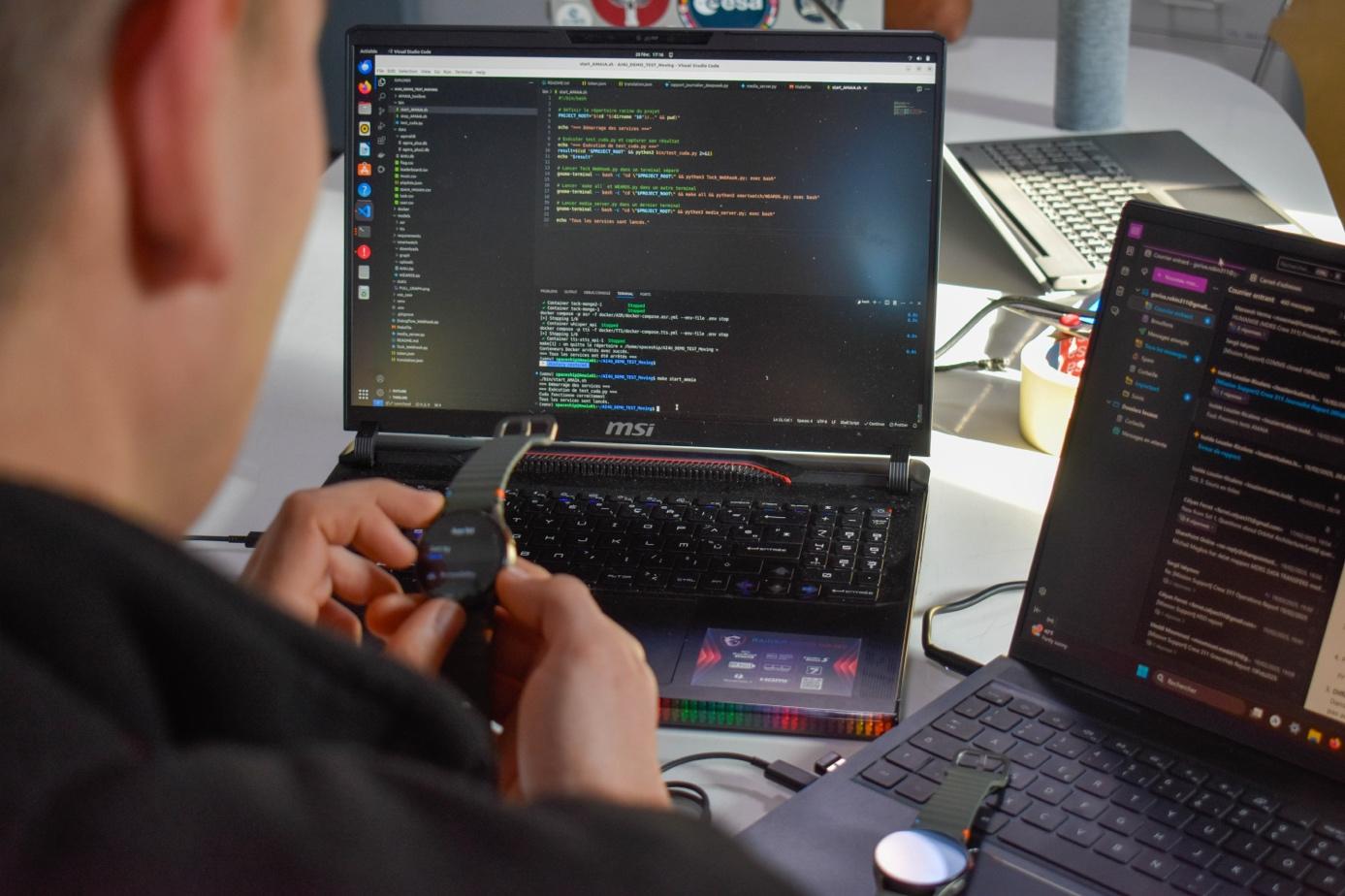
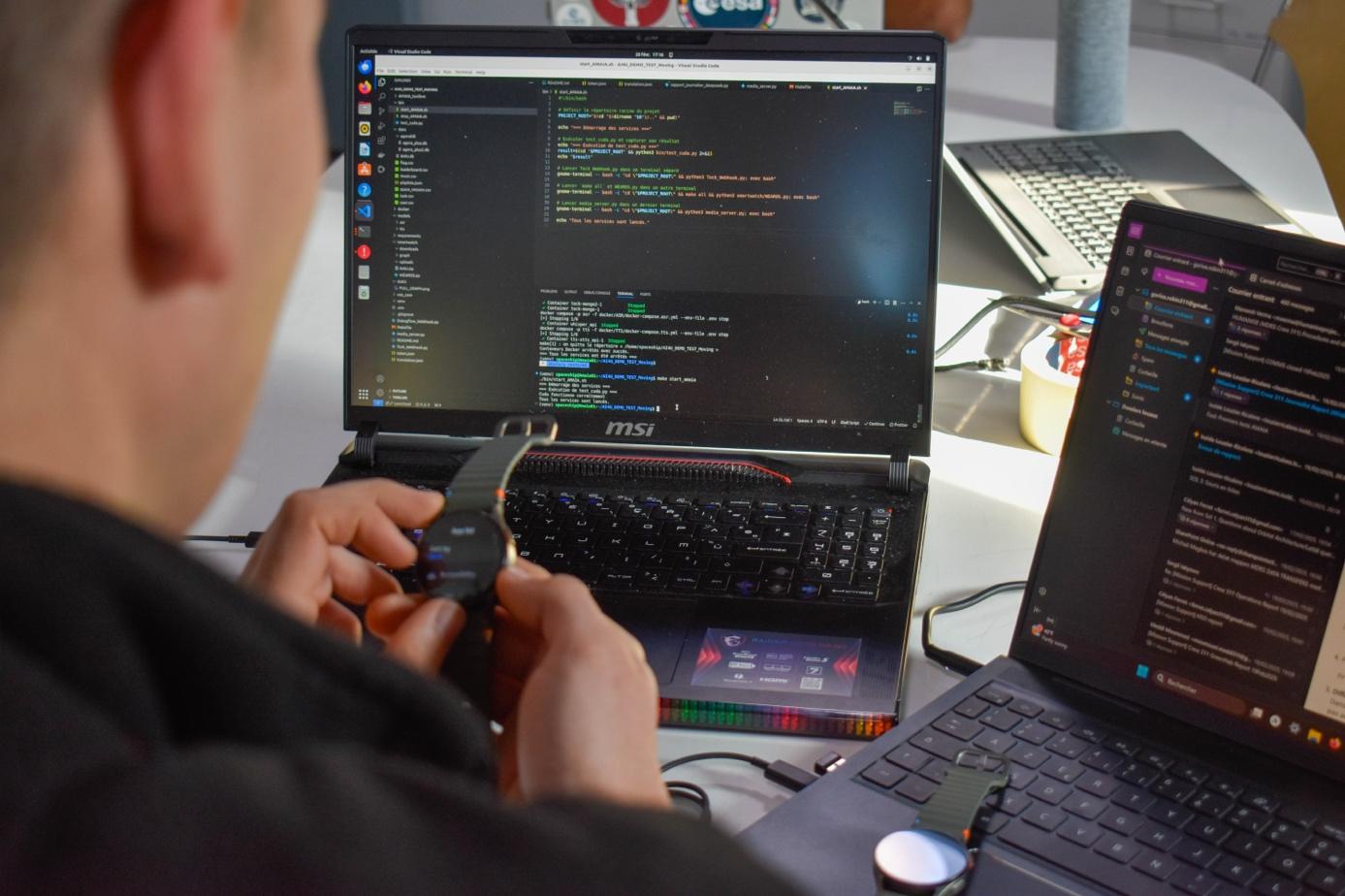
Description: The AMAIA system is integrated with station sensors, including environmental sensors and monitoring devices, enabling seamless data exchange. This integration allows AMAIA to estimate stress levels and provide data-driven responses to astronaut queries. Its capabilities support astronauts in their daily tasks by assisting with environmental measurements, voice recognition, and emergency exercises, enhancing both efficiency and safety in the station.
Status:
The computer LLM part of this experiment is working perfectly, we are currently using the AI assistant to translate report to English and also to have some recipes for our lyophilised food.
We tested the PIE code of ISAE Supaero, and while it functioned, it was not perfect. Various bugs appeared throughout the test, but due to communication delays, they couldn’t be resolved. The Amaia watches were not used by the crew because of these persistent issues.

AD_4nXdmnHiKN4Wzi9APExuL2p6-twVQgsDzEMv6WsMnV7WWhMJ65xGvXTigPdHjzRvNgTx4loYXJCWUM9C5bxRWLiRk2fXZNteYYG1KzoM9yNlmvCDPCui72PT15KBxvEUiVxUqFxtAjkelHKZ62bmR-Xk?key=1us_5fnpxgJVgwomFFgWMplb
Name: Orbital Architecture
Type: Human Factors
Crew: Somaya (Crew Scientist) & Celyan (HSO)
Description: The study aims to quantify stress levels in analog astronauts using chestbands, smartwatches, questionnaires, and position sensors. It investigates the impact of environmental factors such as privacy, temperature, and humidity on stress levels. As part of the Axiom 3 mission, this research has also been launched to the International Space Station for further analysis in a space environment. The cognitive tests are taken in different areas of the base (Science dome, Greenhab, Hab) every time with a frequency of twice per week for every crew member.
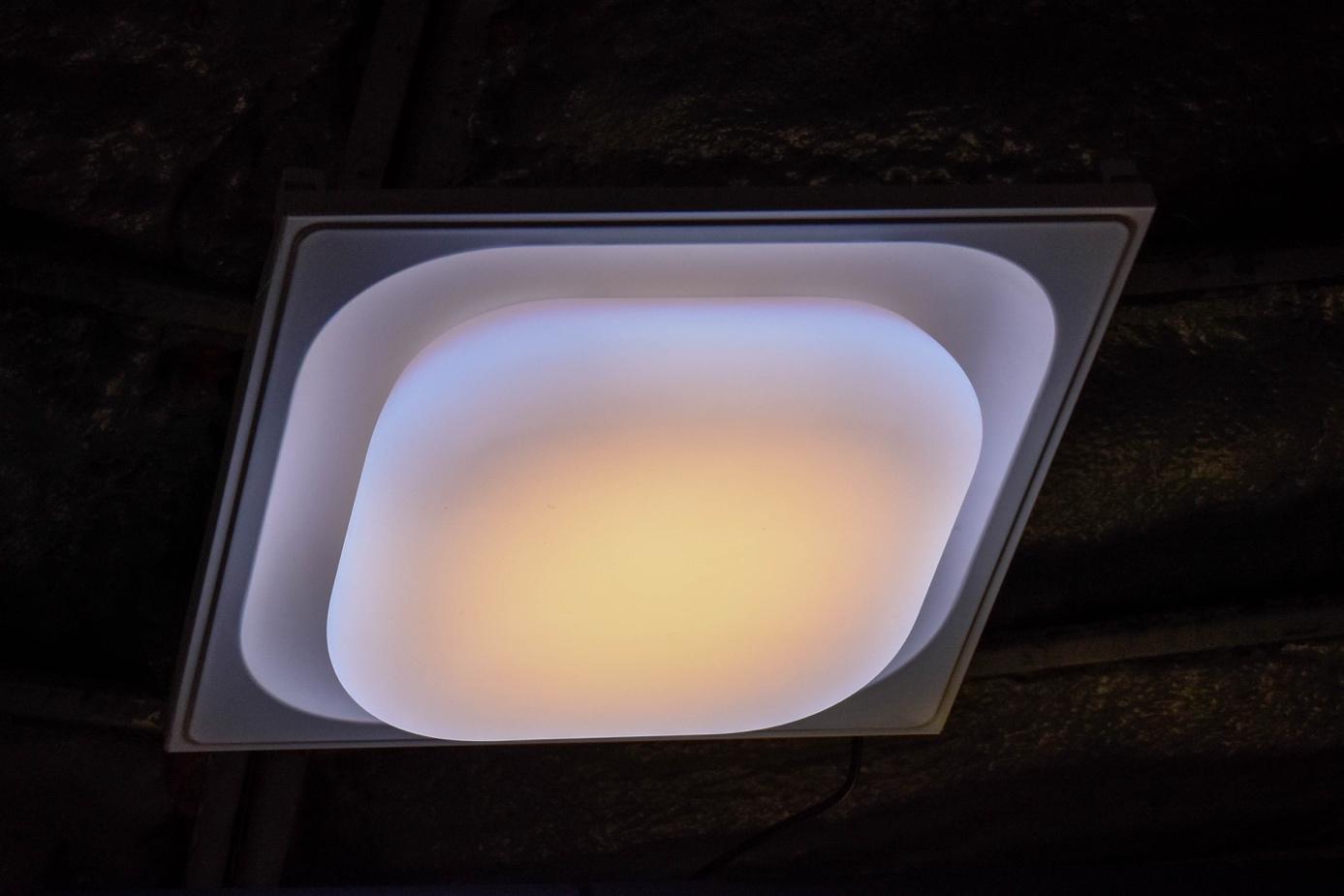
Status: The IPS (Internal Position System) have been deployed during the first 4 sols of the mission. Since this day we are collecting daily data from the IPS as well as from the polar band and the polar watch. In addition, we have installed the BIOS light bulbs in both the upper deck and the lower deck during the first week. Everything is going well. The data has been sent to the PIs in KTH frequently.
A light fixture on a ceiling AI-generated content may be incorrect.
Name: Humanise
Type: Robotics
Crew: Somaya (Crew Scientist)
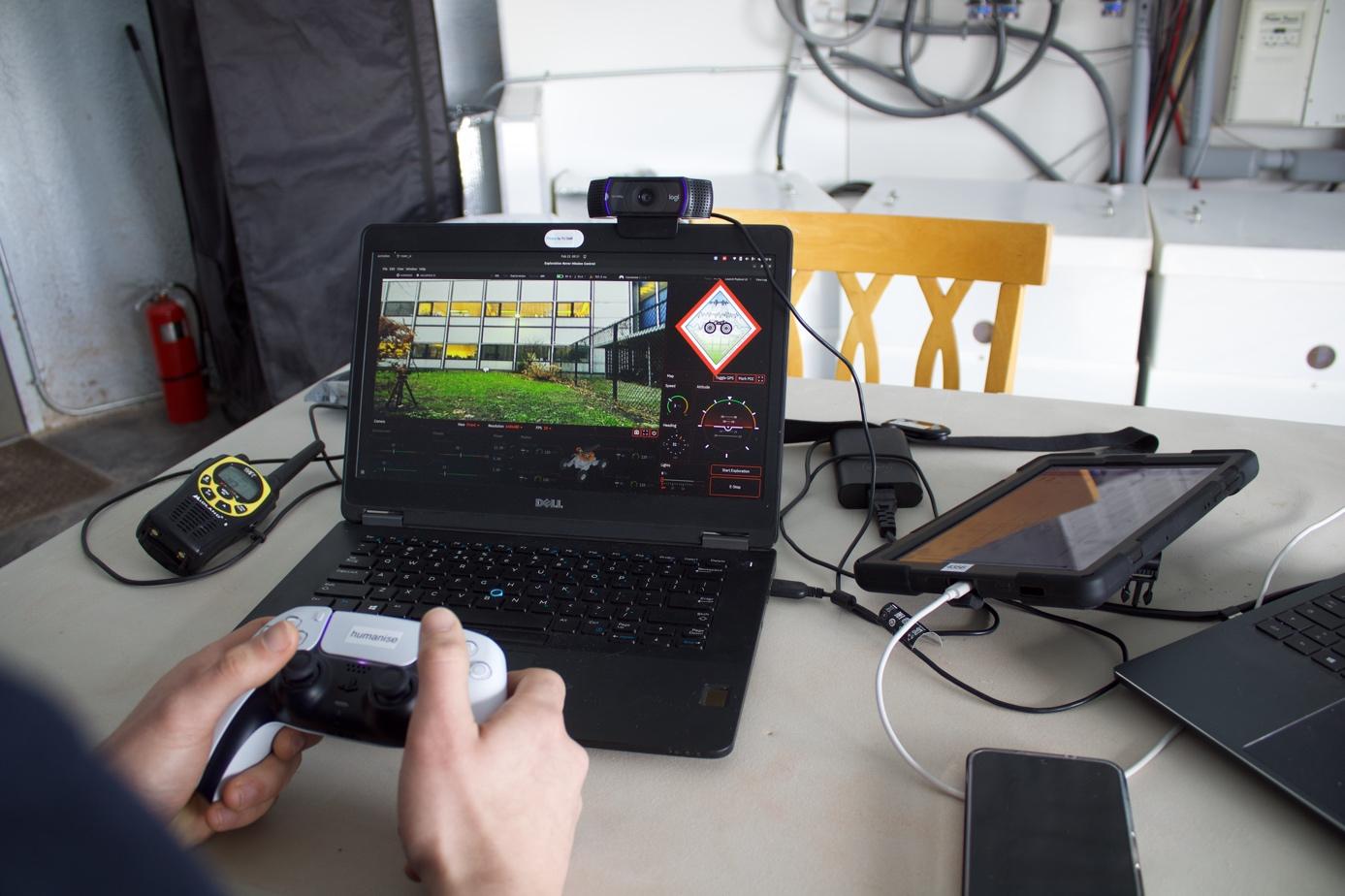
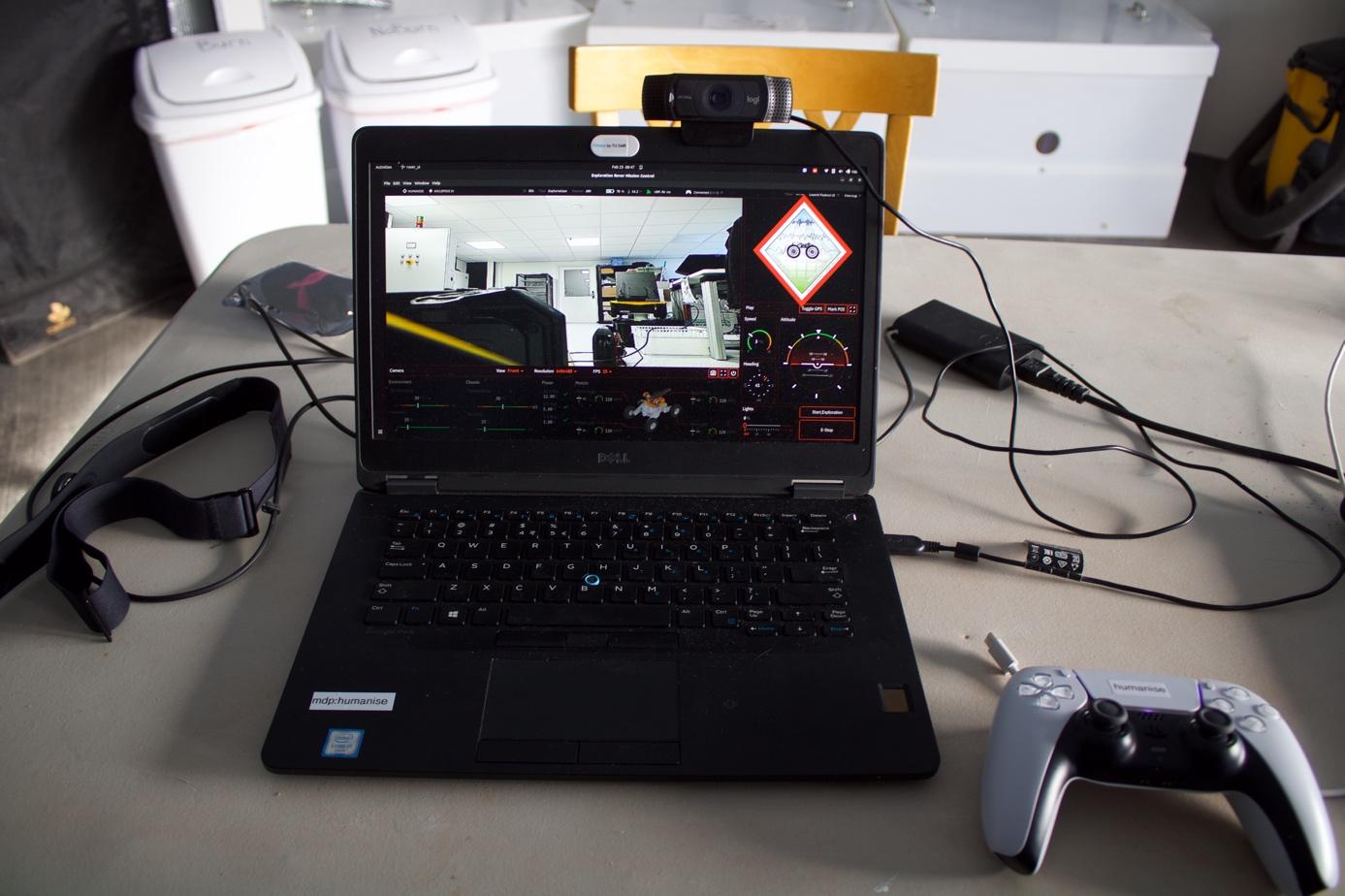
Description: This research investigates human-machine interaction, stress, and performance by examining cognitive workload during teleoperation between analog astronauts and rovers. The study aims to improve human-robot collaboration for future Martian settlements. Various control methods are tested, including Brain-Computer Interface (BCI) using mental imagery, Virtual Reality (VR), and joystick control. The goal is to develop intuitive and user-friendly remote-control interfaces for operating rovers in Mars- or Moon-like environments.
Status: The first part of this experiment with gamepad is done. All astronauts have monitored the robot using a PS5 controller in the science dome to teleoperate a robot very far away in the campus of TU Delft, in the Netherlands.
The second phase involved testing the teleoperation of the rover using a VR headset. Unfortunately, due to issues with the rover, we could only conduct a general benchmarking for VR system assessment and gather user feedback.

AD_4nXdJEOUIMSeudzXNfeWi8ThTHNk5NulliHQcelWO2ZPbm6ArHIjXBIWiBNuDspg5E-WFYcHSyE6hWpRyBo3EPT9dH5ynehzi8uZfXKpKtDCR77DupRB-UprGzzeHCHf6oaaDAFtxXRAuN4sV94Je-Q?key=1us_5fnpxgJVgwomFFgWMplb

Name: Time Percept
Type: Human Factors
Crew: Celyan (HSO)
Description: This experiment investigates the impact of living and working conditions in an analogue base on time perception. It includes daily cognitive tests to assess effects on analogue astronauts.
Status: Data is collected twice a day (morning and evening) thanks to an app installed in our computers. Everything is going well. Data will be sent to the PI after the end of the mission.

Name: Photogrammetry
Type: Human Factors & Exploration
Crew: Meddi (GreenHab officer) & Robin (Crew Engineer)
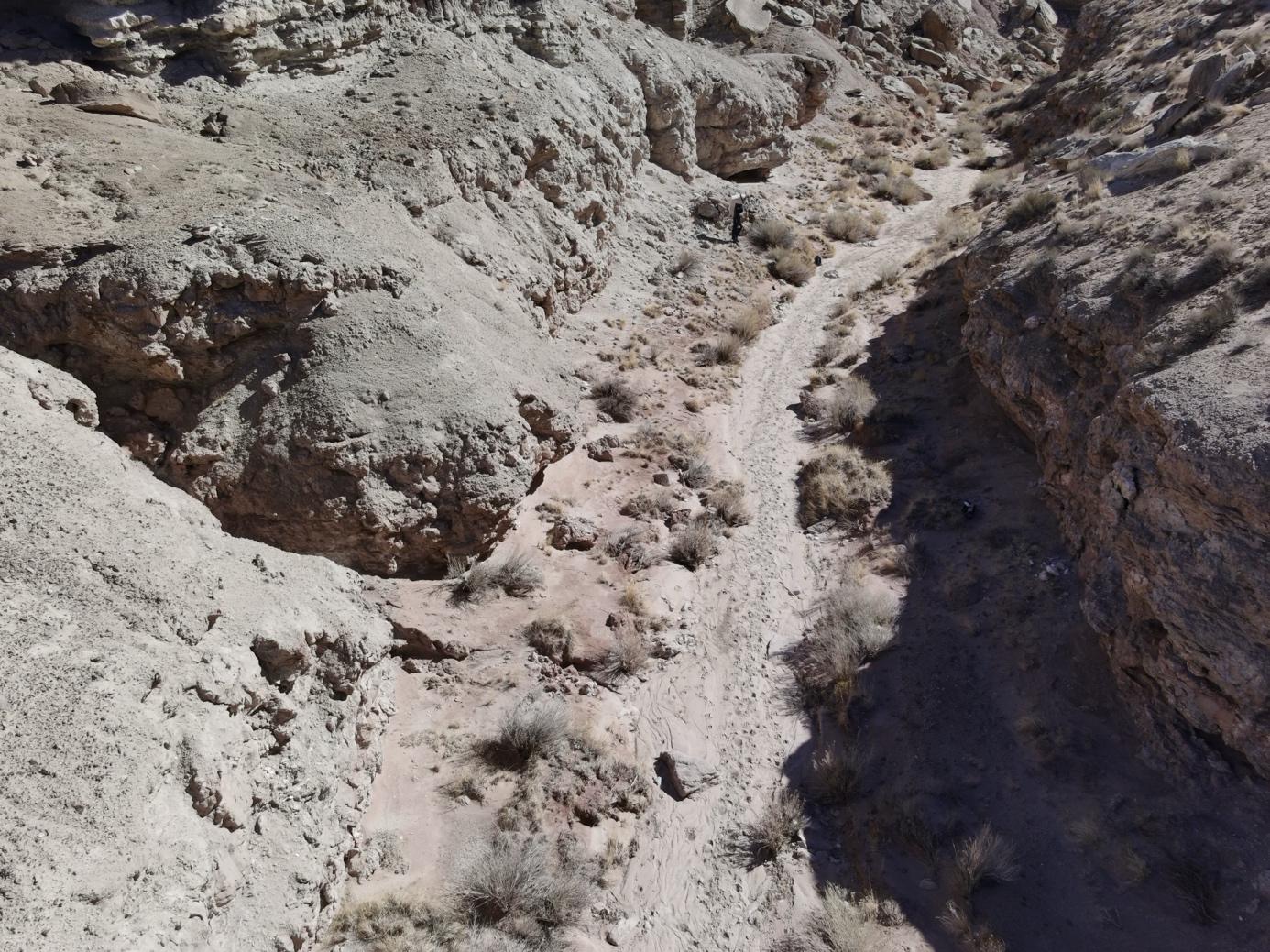
Description: Building on measurements from last year, this study involves nine EVAs coordinated with atmospheric physics EVAs. It focuses on testing 3D terrain maps for EVA preparation and exploration, assessing their benefits for checkpoint identification and location during extravehicular activities. The research also compares scenarios with and without prior familiarization with 3D maps to evaluate their impact on navigation and mission efficiency.
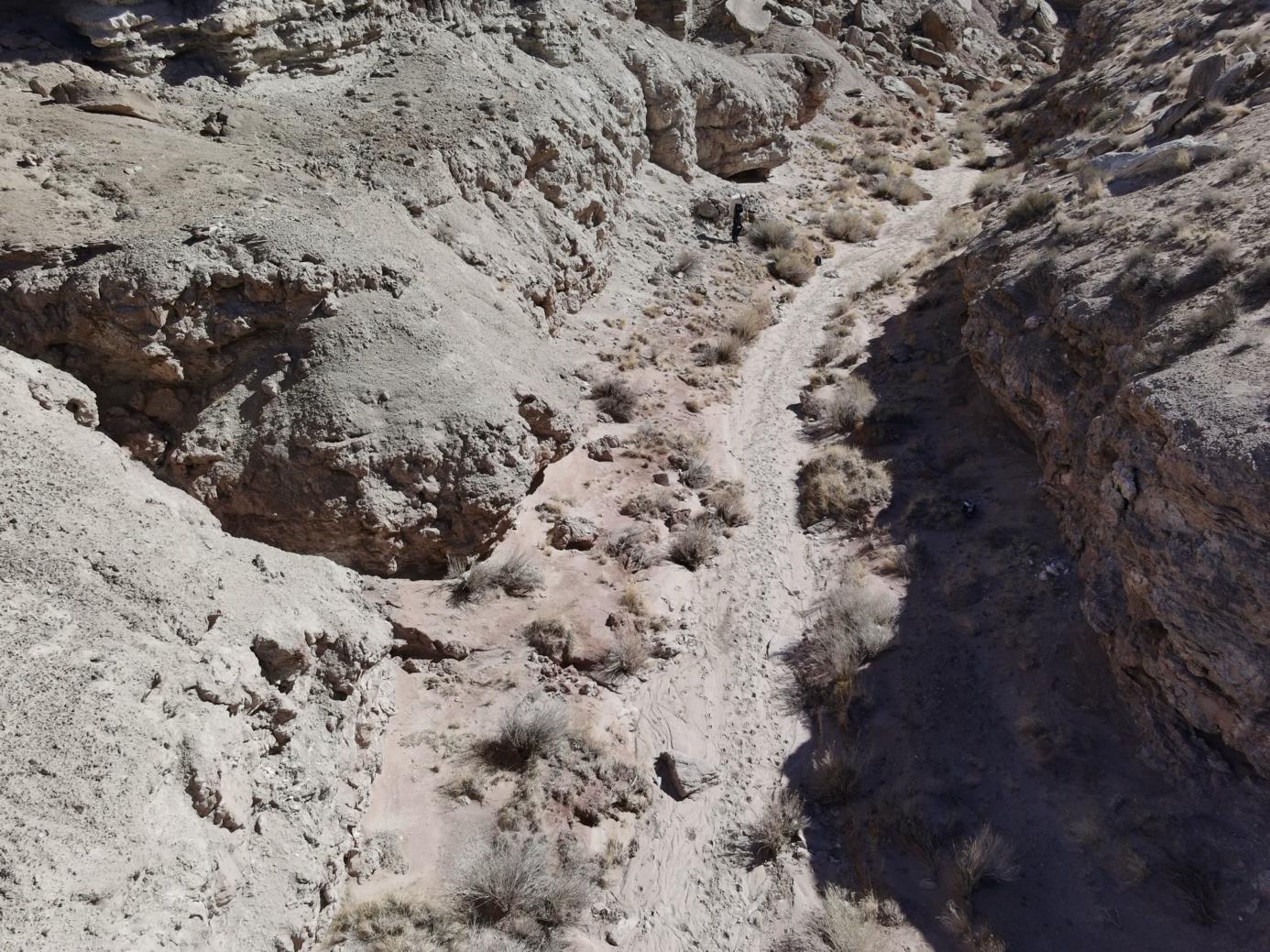
Status: The first phase of the experiment was conducted during the second week of our stay at the MDRS. Using our drone, we successfully mapped a small section of Candor Chasma. The crew then explored the canyon utilizing both 3D and 2D maps to compare performance differences.
In the third week, two teams of two analogue astronauts explored the Sea of Shells area. During the fourth week, two different teams of two analogue astronauts carried out the experiment in the Kissing Camel Ridge area, searching for various tags.
AD_4nXc3CO4SycDBiYeB3x1uHq9q9Rx0RW391fzjsrHNFB0ijaRMvAUtk2WVpshkKo1hIDKBtHVMYLSPp2GIv34czU-re0vvreyaGwQ6smqMgAriXq6DKV0u9tSEJuys1sv4749xw1y8Yz-0F0tVGo2fXUk?key=1us_5fnpxgJVgwomFFgWMplb
Name: Neopouss
Type: Botany
Crew: Meddi (GreenHab officer)
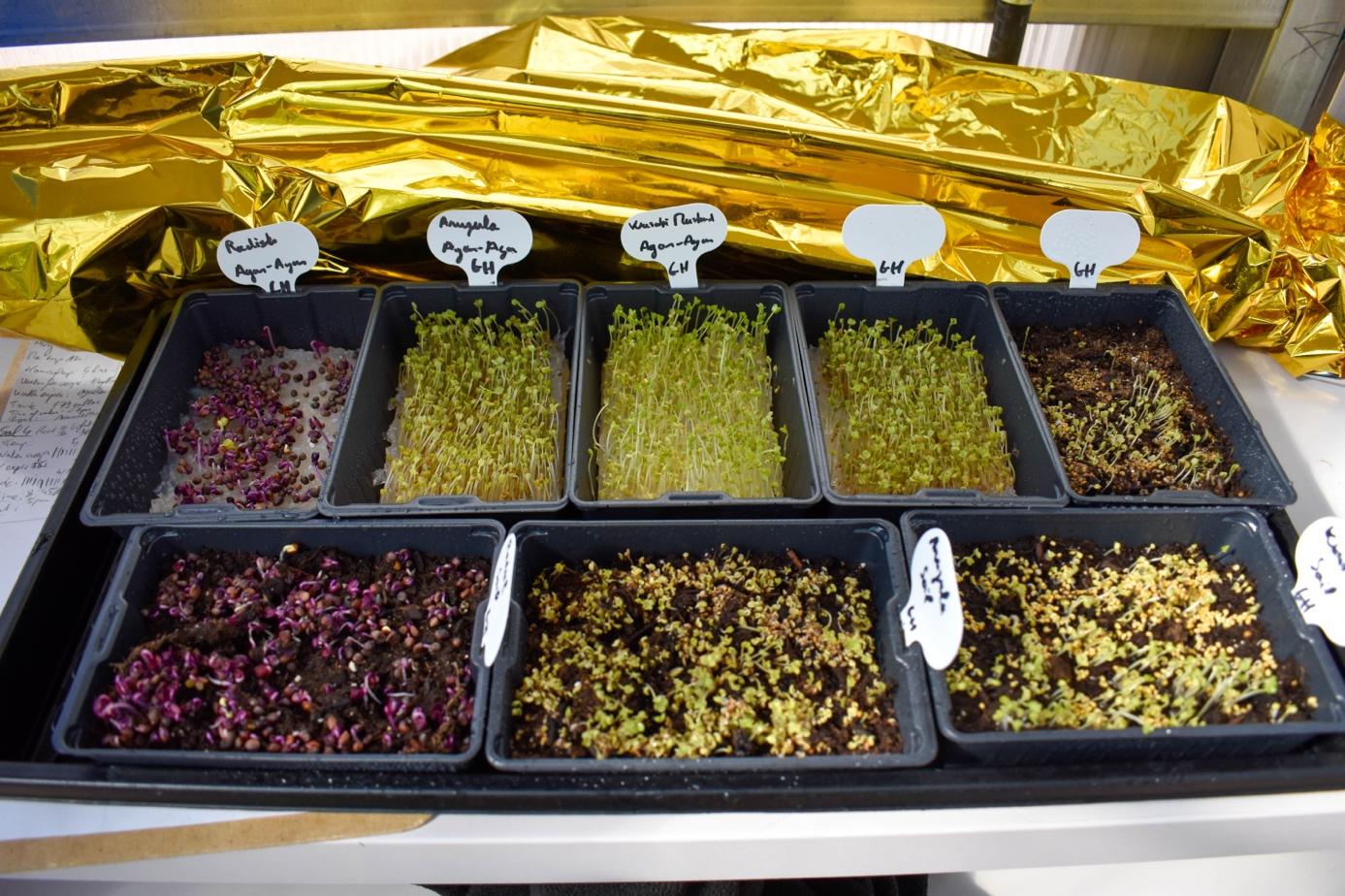
Description: This study aims to assess the impact of microgreens on meal taste and enjoyment. A blind taste test is conducted to compare microgreens grown in soil, glucose tablets, and agar-agar. Additionally, the research evaluates how the presence of a greenhouse in a Martian base influences crew well-being, providing insights into the psychological and nutritional benefits of fresh food in isolated environments.
Status: The microgreens were planted early in the mission (Sol 3), they went through a 5-day phase of germination in the dark and in a humidified environment. We put them under the light during Sol 9 in the GreenHab and in the Science Dome. Everything went according to plan except for the absence of fresh soil in the GreenHab and the fact that the environment is very dry here in the Utah Desert.
The crew incorporated microgreens into their lyophilized meals, enhancing freshness and flavor. They also participated in blind taste tests and completed questionnaires to evaluate how the addition of microgreens improved their relationship with food.
AD_4nXc4G_Va4R-csBebKFpKgsLgA3DtNLVxlPSMgpku86IbmgaMloFfvVM7zkCxp9XUXNJJkk3lmoygV-bvNBrlTDcia3vD7yRa8lwCi4obE0zFppYQeDl-N6Iug-PuEZNUZZHFb7gbpLg-zJBl-ScQH8o?key=1us_5fnpxgJVgwomFFgWMplb
Name: TraceLab
Type: Human Factors
Crew: Erin (Crew commander)
Description: This study uses self-administered questionnaires to explore individual and social adaptations to isolated and confined extreme environments. The goal is to examine the social, emotional, occupational, and physical impacts of these conditions, providing insights into human resilience and well-being in space-like settings.
Status: The crew is filling daily questionnaire about individual and social adaptations. As well, weekly questionnaires about team dynamics are filled out. The data will be sent to the PI at the end of the mission.
Name: Core Data
Type: Physiology
Crew: Robin (Crew Engineer)
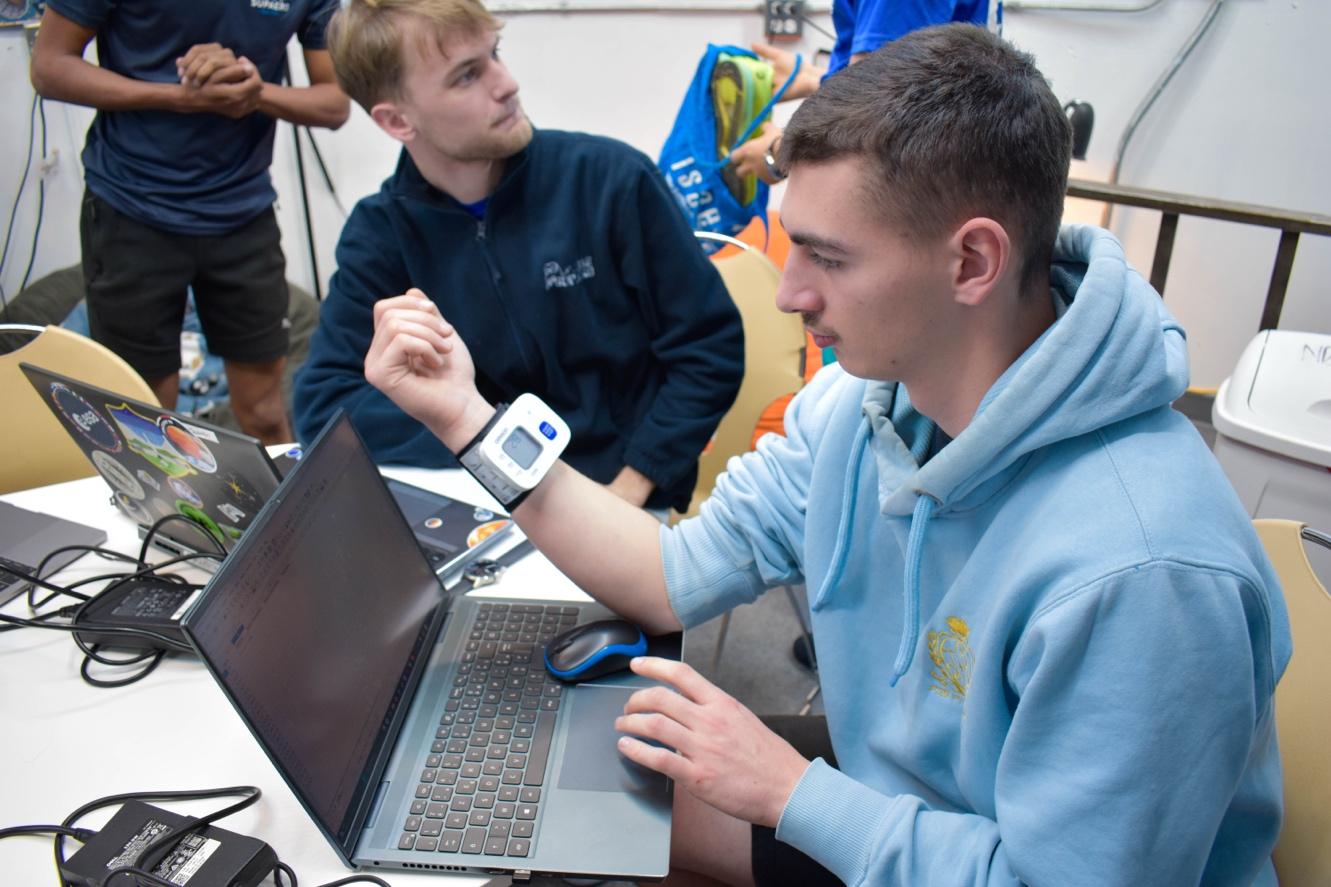
Description: The Supaero MDRS Crews Initiative aims to collect physiological datasets for human factors research. In addition to physiological data, the study includes water monitoring and environmental measurements. The purpose is to ensure comprehensive data collection while minimizing redundancy, enhancing the reliability and applicability of the research.
Status: The crew is taking daily physiological data (Oximetry, Systolic and diastolic blood, temperature) as well as other parameters using the Withings smart scale. The crew also fills daily sleep dairy every morning before the sport session. Everyone is wearing a Withings smartwatch to collect data all along the day.

Significant improvements were made in documentation and data analysis of various physiological and environmental parameters.
AD_4nXes7bLrKRaecAgSUZA7Aia2LhKBO6Y0zmaBdM7gdzffyJ4IRgkUdjunuCNw_xMJJ4ZNe23do5Ycifvm-D9FWasRpV1aUOC5juVitEgT-yoPPdyKHSeR1CVp4FDA_QrIxWPyeLwamv2DSNL_c9GJNCQ?key=1us_5fnpxgJVgwomFFgWMplb
Name: MoovToLearn
Type: Human Factors
Crew: Somaya (Crew Scientist)
Description: This study examines the impact of luminotherapy and relaxation technology on analog astronauts, focusing on factors such as sleep quality. It utilizes PSIO glasses to explore their effects while relying solely on Core Data, without conducting cognitive assessments.
Status: The crew tested the PSIO glasses and documented their experiences in a logbook, detailing each session and its effects. However, the overall experience was not particularly enjoyable, as the lights were too harsh on the eyes and the music occasionally felt awkward. Feedback will be provided to the PI after the mission.
Name: TwinS2
Type: Human Factors
Crew: Isolde (Crew Journalist)
Description: The objective of this study is to test and improve the TwinS2 system by evaluating human performance through non-invasive methods. Voice messages recorded via a microphone provide data for researchers, allowing them to assess and refine their software.
Status: The crew records daily logs to share their thoughts and experiences from the day, along with a weekly four-hour recording every Thursday. Additionally, a third measurement was introduced, where a specific text is read once before the mission, once midway, and once at the end.
Name: AMI
Type: Technology
Crew: Somaya (Crew Scientist) & Isolde (Crew Journalist)
Description: This study conducts an in-situ test of an anomaly surveillance interface to enhance the simulation. It analyzes crew reactions to unplanned or randomized events that require minor interventions. In some cases, the study may involve up to two "emergency" EVAs near the station. The use of the Engineering Airlock has been requested to support the experiment.
Status: Due to issues on the PI’s end, the software could not be delivered in time for our mission. Unfortunately, we were unable to test it this year.
Name: Stratigraphy
Type: Geology
Crew: Quentin (Crew Astronomer) & Meddi (GreenHab Officer)
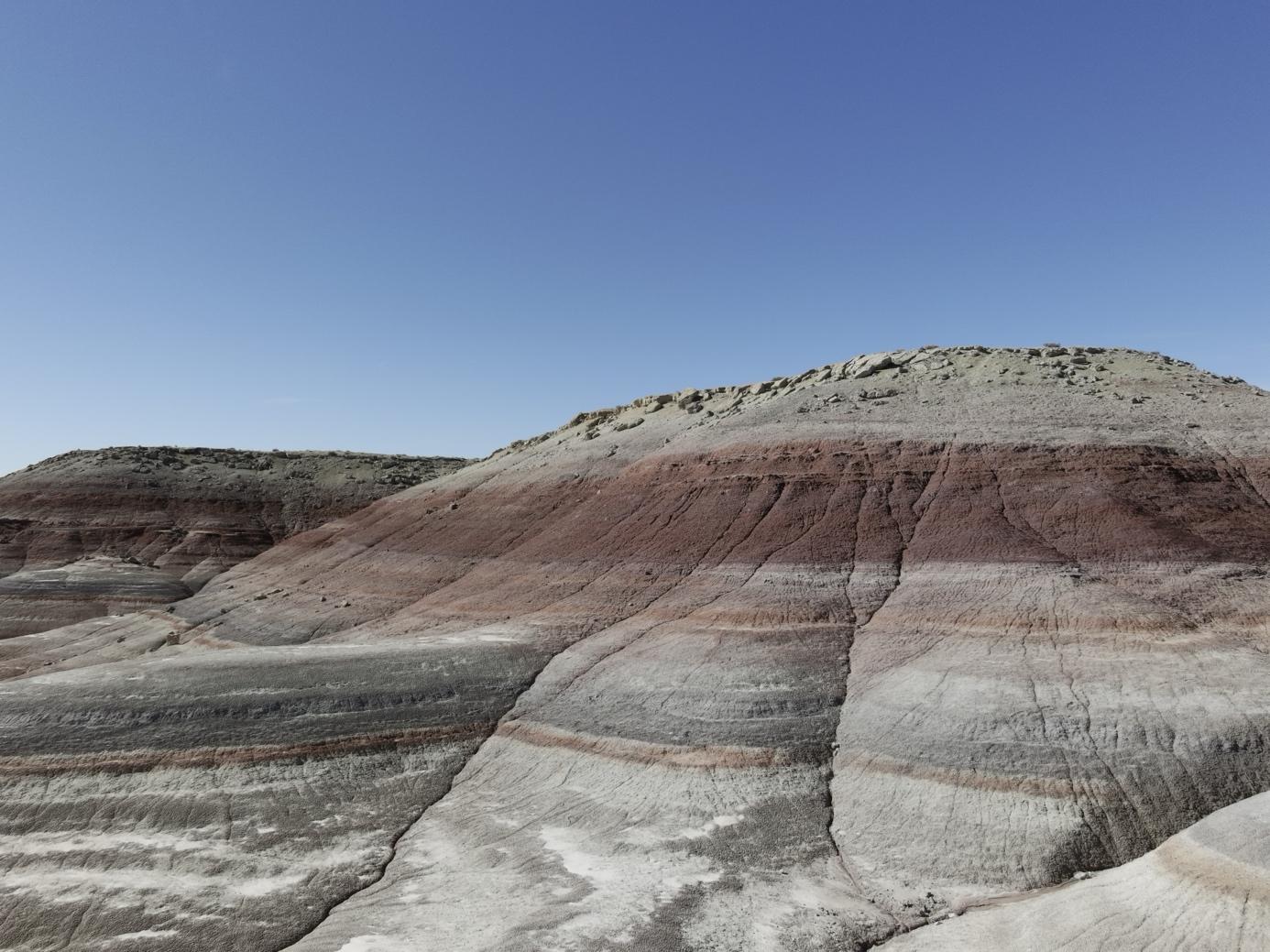
Description: This experiment, conducted by the Research Institute of Astrophysics and Planetology (IRAP), involves EVAs coordinated with photogrammetry EVAs. It focuses on testing stratigraphy through drone imagery, aiming to identify geological samples using these pictures. The study also seeks to train the drone to capture images of entire stratigraphic layers for improved geological analysis.
Status: During the two EVAs conducted last week, crew members documented various rock strata in different areas around the base. They captured aerial images using drones and a professional camera and created detailed geological sketches. Discussions with the PIs were held to study the images and analyse key geological points of interest.

AD_4nXcn5z8e2mHe2nd7YEUd8e-OQTvhqWT0OWV9XD1_wlHzjM6HDw1PLoZY77BauzaCMOAInKwybOuW_524J9qcX0IDFl3tliBrr4a8dWObwEMzFA3BT_q1YK64pPdpVlTe8LSWgTN7Hx76VVgu68ioyQ?key=1us_5fnpxgJVgwomFFgWMplb
Name: SupaeroMoon
Type: Robotics
Crew: Somaya (Crew Scientist) & Robin (Crew Engineer)
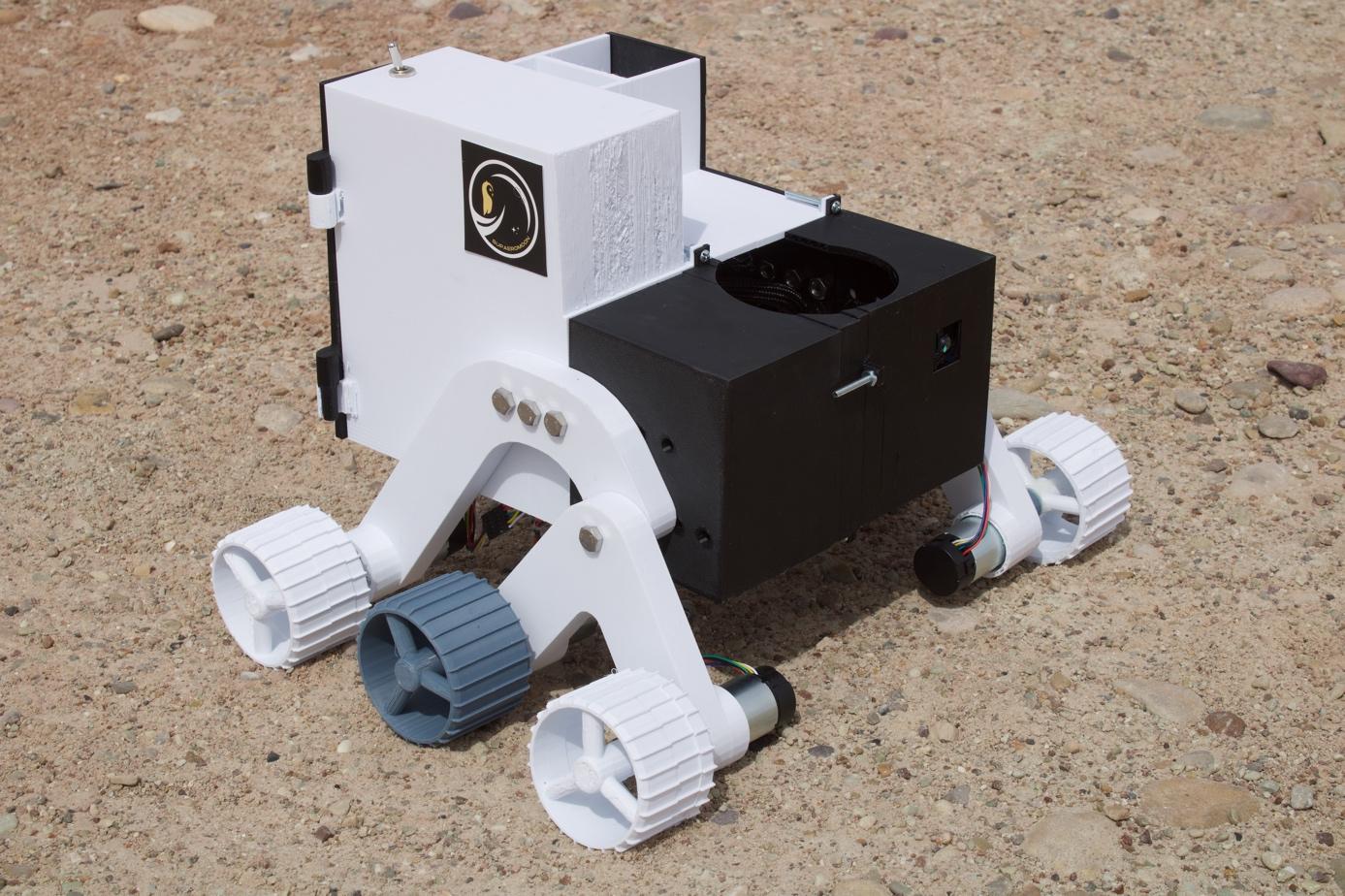
Description: This project focuses on rovers and technologies designed for the lunar environment, with participation in the European Rover Challenge 2025. It involves testing remote control navigation, evaluating camera and mapping methodologies, and exploring the feasibility of simple autonomous navigation. Additionally, the study tests a robotic arm for probe retrieval and collaborates with high school students on Arduino-based experiments.
Status: The entire rover was successfully 3D-printed, with all electronics assembled and tested according to the provided procedures. During EVA #15, we captured various images of the rover to support the SupaeroMoon team’s application for the European Rover Challenge.

AD_4nXc7RC0gg7BDZnXV3gCjOAot-3hygFk6G_qUL1tDVFXM78tDXkuQYYGvnZ_QLEeDUeBTkmc2v7CcV4ADXbo4vRrwUPGBvOglP8pib9ZZppMkoB-0sAajjpRlUi4nEFizesVZrH56erzCcfIcWNgC9A?key=1us_5fnpxgJVgwomFFgWMplb
Name: Public Outreach
Type: Social
Crew: Meddi (GreenHab Officer)
Description: This project aims to teach the scientific method through a hands-on experiment. It involves sprouting cress seeds in highly saline soil to simulate Martian conditions and assess plant growth viability. The experiment requires one EVA for execution.
Status: Weekly microgreens reports are sent to high school students eager to engage with our MDRS mission. In weeks 3 and 4, they will explore the importance of EVA preparation. The HSO shared space exercise videos, students helped prepare the photogrammetry EVA, and different responses were recorded in various base locations.
Name: Astronomer’s observation project
Type: Astronomy
Crew: Quentin (Crew astronomer)
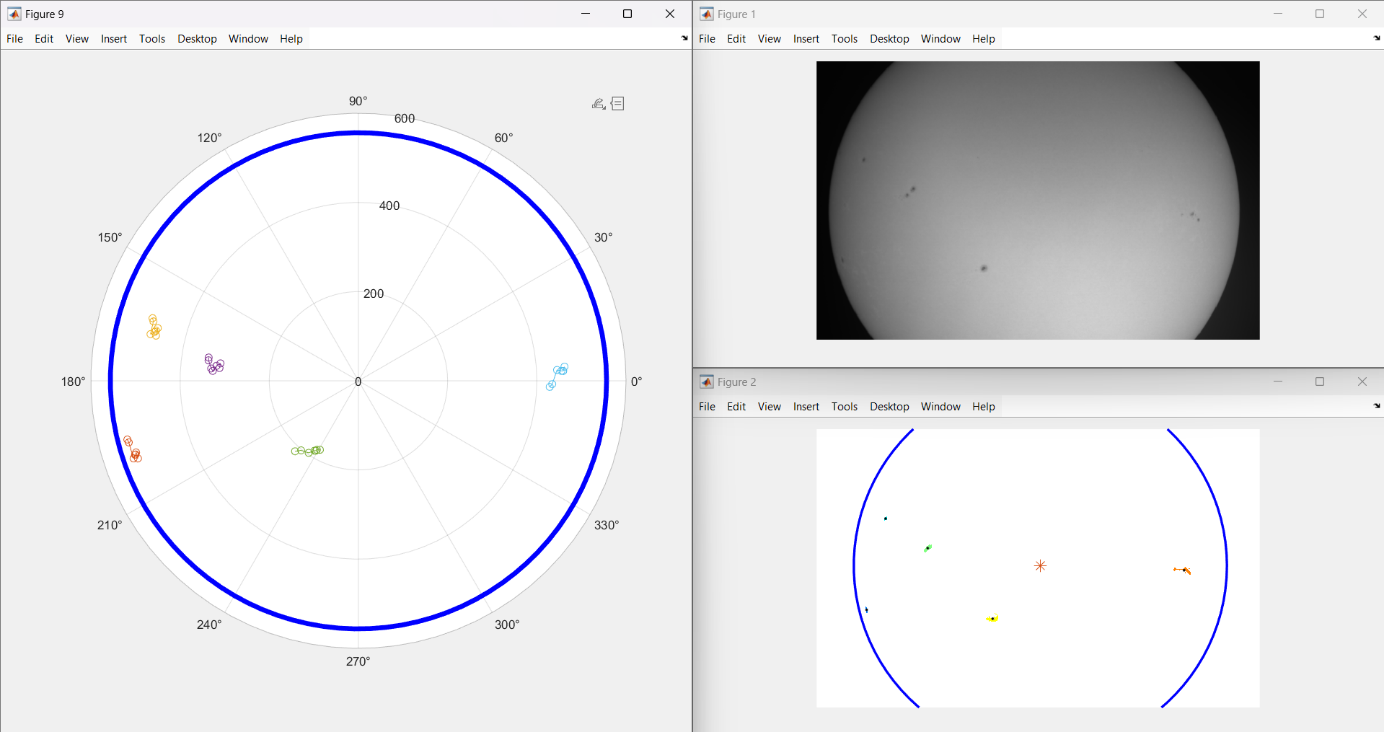
Description: Quentin’s observation project consists of two distinct works: during the first two weeks of the mission, he familiarized himself with the telescope of the Musk Observatory by doing several pictures and animations of the Sun with different parameters. By doing so, he managed to capture high-quality pictures and videos of sunspots and prominences and learned to process them using various softwares.
Status: During the second half of the mission, Quentin conducted his astronomy project. He took dozens of pictures of the sun for several days; the telescope parameters were set for observing sunspots with a high contrast.
The project consists of using a code which Quentin developed to detect the sunspots in the images and track their movements. This tool will be used and improved by the future Supaero crews.

Une image contenant cercle, capture d’écran, diagramme, texte Le contenu généré par l’IA peut être incorrect.

Supplemental Operations Report – 08Mar2025

[title Supplemental Operations Report -March 8th]
[category operations-report]

Date: 3/8/2025
Name of person filing report: David Steinhour
Reason for Report: Routine
Non-Nominal Systems:
Non-Nominal Systems: Crew car. Power system battery, invertors, generator. Robotic observatory. HAB outer shell.

Power system: "Solar: The battery bank does not hold charge when the sun is down and low on the horizon. Inverter Slave 1 and 2 went offline and did not restart, which limits us to 5kW when on solar.
Main generator has been monitored for oil leaks; minor leaks observed, need to add oil every 2-3 days. Generator is limited to 8kW, see previous reports for details.
Main generator:
1) Oil, oil filter changed on 2/26/2025.
2) Current hours – 8772.8"

Propane Readings: "Refilled 2/26/2025
Station Tank: 62%
Director Tank: 58%
Intern Tank: 79%
Generator Tank: 53%"

Water: "Hab Static Tank – 241.4 gallons
GreenHab – 121.5 gallons
Outpost tank – 390 gallons"

Rovers: "Sojourner rover used: No
Hours: 209.5
Beginning Charge: 100 %
Ending Charge: 100 %
Currently Charging: Yes
Notes on Rovers: None"

Cars: "Hab Car used and why, where: To Hanksville for supplies.
Crew Car used and why, where: No.
General notes and comments: Crew car driver’s side front ball joint is bad. Low oil pressure is most likely caused by a bad sensor (it does not change due to RPM or temperature like it should)."

Summary of Internet: Nominal
EVA suits and radios: "Suits: Nominal.
Comms: Nominal.
T-Echo EVA-link: Astro8 is malfunctioning and needs to be replaced."
Campus wide inspection, if action taken, what and why: Tunnel tarp was patched today 3/8 by crew on a mock-emergency EVA. Repair looks good.
Summary of Hab Operations: Small cracks in the wall of the Hab in the loft area are allowing cold air intrusion.
Summary of GreenHab Operations: Nominal
Summary of SciDome Operations: Nominal
Summary of Observatories Operations: Nominal
Summary of RAM Operations: Nominal
Summary of Outpost Operations: Nominal
Summary of Health and Safety Issues: Nominal

Astronomy Report – March 10th

[category  astronomy-report]

Name: Quentin Berlemont

Crew: 311

Date: 03/10/2025

MDRS ROBOTIC OBSERVATORY

Robotic Telescope Used (choose one) MDRS-14 MDRS-WF RCOS-16

Objects to be Imaged this Evening:

Images submitted with this report:

Problems Encountered:

MUSK OBSERVATORY

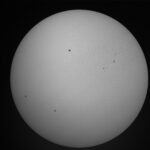
Solar Features Observed: Sunspots, prominences

Images submitted with this report: 1

Problems Encountered: Good evening Peter, I am purposely taking less
detailed pictures than the previous weeks because for my project I need
contrast only on the sunspots zones. Here is an example. I was wondering
if there was a way to know which is the real orientation of the sun, and
which way it is turning while making an observation. During the span of
a day, as the telescope moves, the sun’s orientation as seen by the camera evolves, and I would like to make it stay the same.

Mid-Mission Research Report – March 2nd

[category science-report]

Crew 311 Mid-mission Science Report
MDRS, Sunday 03 March 2025
Name of person filing report: Somaya Bennani – bennani.somaya311
Crew 311 has been in the MDRS for two weeks now, conducting experiments while simulating life on Mars. We have done everything we could to make this simulation as accurate and relevant as possible. The current report aims to give the reader an understanding of what has been achieved and what is yet to come.
This report is organized as follows: overview of all the experiments conducted during our mission, as found in the Mission Plan sent on Sol 1, reminded here for clarity, and updated with the experiments’ current status.
Name: LOAC / MegaAres / Field mill / Cosmic watch / Weather station
Type: Atmospheric physics
Crew: Robin (Crew Engineer) & Quentin (Crew Astronomer)
Description:
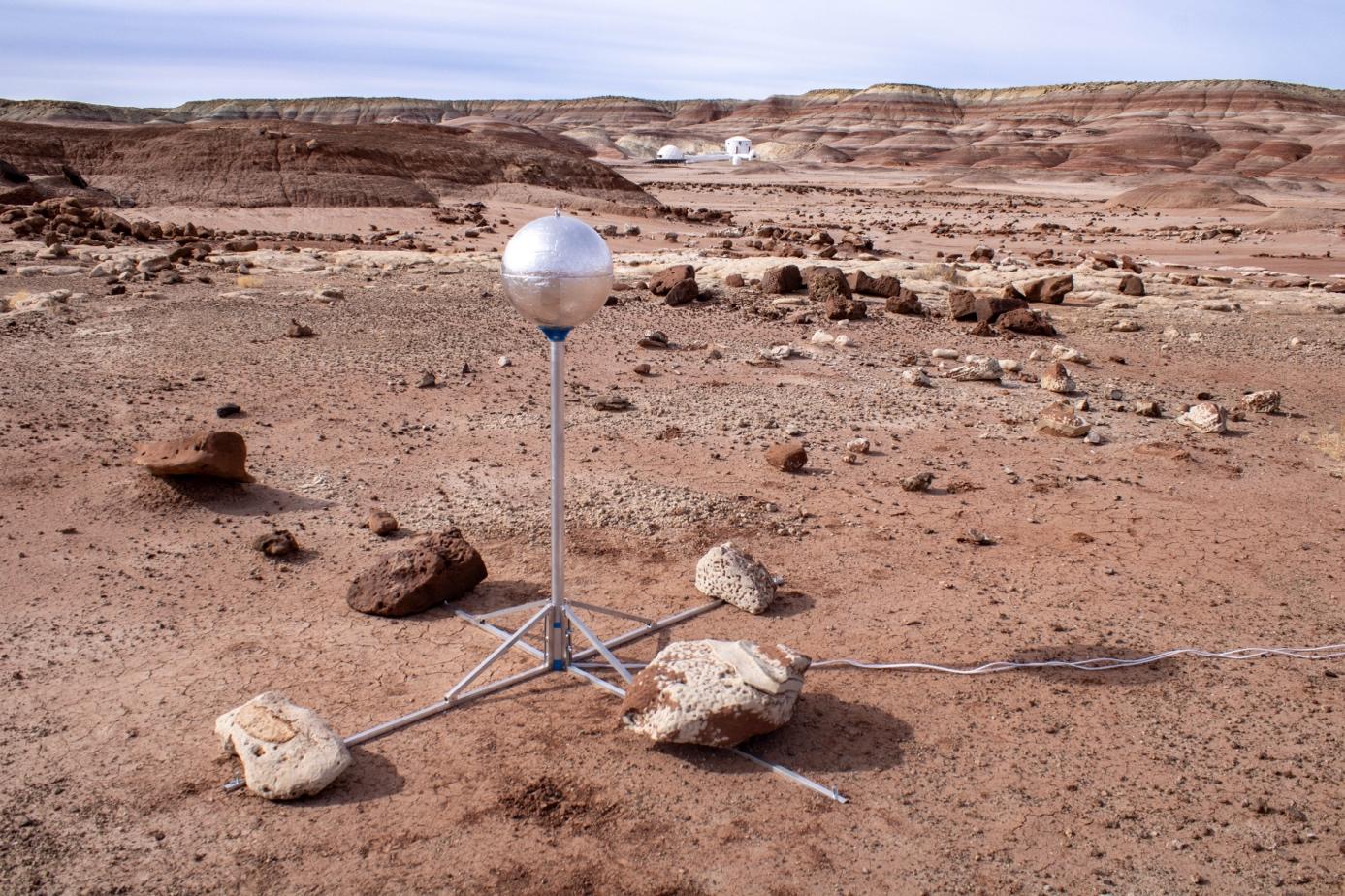
LOAC / MegaAres: These experiments, conducted since 2019, originates from the French National Center of Scientific Research (CNRS). It involves EVA operations and includes two key instruments: LOAC, an optical aerosol counter that measures and classifies airborne particles by size, and Mega-Ares, a sensor that precisely measures the electric field and air conductivity.
Field mill / Cosmic watch / Weather station: The experiment involves several measurement instruments to analyze environmental and space weather conditions. The field mill is used to measure the local electric field, providing insights into atmospheric electrical activity. The cosmic watch consists of two particle detectors that quantify the number of cosmic particles reaching the Earth’s surface. The collected data is analyzed in correlation with solar eruptions and coronal mass ejections (CMEs) to study their impact on Earth’s environment. Additionally, a weather station records precise atmospheric parameters at the observation site, contributing to a comprehensive understanding of local weather conditions.
Related EVAs: #3, 4, 5, 6, 7, 8
Status:
All instruments have been deployed 400m away from the station on sol 3. The batteries have been charged and changed every two to three days and the data collected after each swap. All instruments are healthy and collecting good data.
AD_4nXc3zvpddAJIlyOsRbEn9Z0wktJOsOOh7Ug2BndYJI5X9JSmASKpCFNC8gUiTfsFLecEBxyhzbvBvUMrQP3n_d73dTqSfT-1HkuzNc8g1xwfadeMZWr-4IAzGs9hC7D7qdWTMSiblg8X-hUAatju4d8?key=jIlEDhEuFQcPRd_cjtrODUUC

Name: AMAIA
Type: Technology
Crew: Isolde (Crew Journalist)
Description: The AMAIA system is integrated with station sensors, including environmental sensors and monitoring devices, enabling seamless data exchange. This integration allows AMAIA to estimate stress levels and provide data-driven responses to astronaut queries. Its capabilities support astronauts in their daily tasks by assisting with environmental measurements, voice recognition, and emergency exercises, enhancing both efficiency and safety in the station.
Related EVAs: no EVA
Status: The computer LLM part of this experiment is working perfectly, we are currently using the AI assistant to translate report to English and also to have some recipes for our lyophilised food. The watch part doesn’t work properly, so we are still in discussion with the researchers at CNES and we try our best to debug it in order to find the problem.
AD_4nXfXVXDUDYikoTfAlnZP1cd8NgwNDnUkTRvIcYJuVpDyGKLgy5wdL9sFGcu_Fy_Y08Itz092wvgk4DIh8cFdx4v05WZlfNSWw4nl2AkLm5zHQS34F4hn257BuJvcYs4xFdEs11CBPBeXX3yBhR5dROA?key=jIlEDhEuFQcPRd_cjtrODUUC

Name: Orbital Architecture
Type: Human Factors
Crew: Somaya (Crew Scientist) & Celyan (HSO)
Description: The study aims to quantify stress levels in analog astronauts using chestbands, smartwatches, questionnaires, and position sensors. It investigates the impact of environmental factors such as privacy, temperature, and humidity on stress levels. As part of the Axiom 3 mission, this research has also been launched to the International Space Station for further analysis in a space environment. The cognitive tests are taken in different areas of the base (Science dome, Greenhab, Hab) every time with a frequency of twice per week for every crew member.
Related EVAs: no EVA
Status: The IPS (Internal Position System) have been deployed during the first 4 sols of the mission. Since this day we are collecting daily data from the IPS as well as from the polar band and the polar watch. In addition, we have installed the BIOS light bulbs in both the upper deck and the lower deck during the first week. Everything is going well.
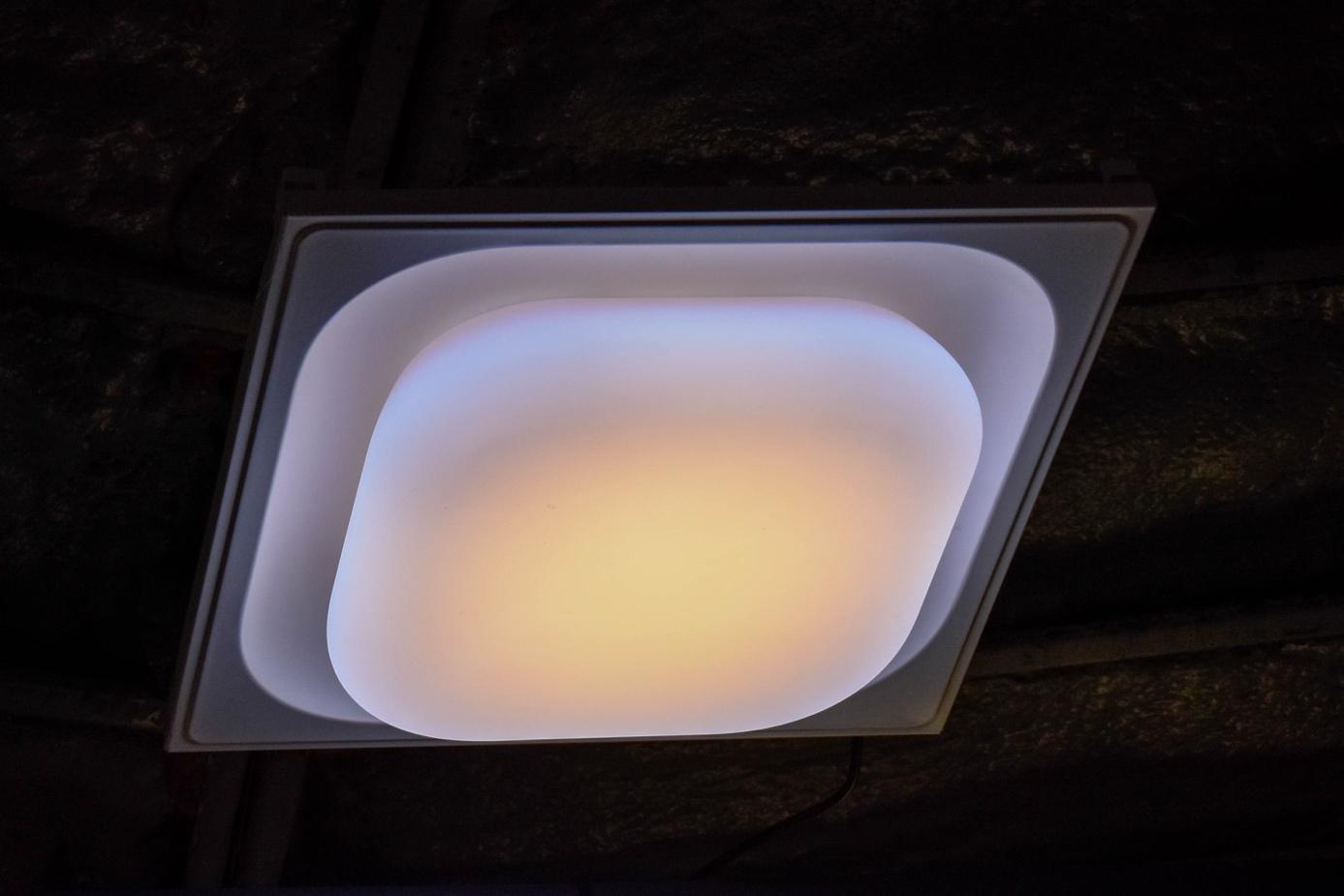
A light fixture on a ceiling AI-generated content may be incorrect.

Name: Humanise
Type: Robotics
Crew: Somaya (Crew Scientist)
Description: This research investigates human-machine interaction, stress, and performance by examining cognitive workload during teleoperation between analog astronauts and rovers. The study aims to improve human-robot collaboration for future Martian settlements. Various control methods are tested, including Brain-Computer Interface (BCI) using mental imagery, Virtual Reality (VR), and joystick control. The goal is to develop intuitive and user-friendly remote-control interfaces for operating rovers in Mars- or Moon-like environments.
Related EVAs: no EVA
Status: The first part of this experiment with gamepad is done. All astronauts have monitored the robot using a PS5 controller in the science dome to teleoperate a robot very fat away in the campus of TU Delft, in the Netherlands. The second part will be to do the same experiment but with a VR headset to control the rover.
AD_4nXeg_o4qxfDt0nFB4a0mx8_tK2-3nIpGHN3CTpB5buh7uUYGwcdExB4CHlsCg2Jt3UUDeYp4ZOsu6sOftrPeBNCaNK9Sa_5tNrUdCGbOmVqJGrrYOsXoocMTkq2MccePSYIZan2S1lz6OHSaWdO51w?key=jIlEDhEuFQcPRd_cjtrODUUC

Name: Time Percept
Type: Human Factors
Crew: Celyan (HSO)
Description: This experiment investigates the impact of living and working conditions in an analogue base on time perception. It includes daily cognitive tests to assess effects on analogue astronauts
Related EVAs: no EVA
Status: Data is collected twice a day (morning and evening) thanks to an app installed in our computers. Everything is going well.

Name: Photogrammetry
Type: Human Factors & Exploration
Crew: Meddi (GreenHab officer) & Robin (Crew Engineer)
Description: Building on measurements from last year, this study involves nine EVAs coordinated with atmospheric physics EVAs. It focuses on testing 3D terrain maps for EVA preparation and exploration, assessing their benefits for checkpoint identification and location during extravehicular activities. The research also compares scenarios with and without prior familiarization with 3D maps to evaluate their impact on navigation and mission efficiency.
Related EVAs: #5, 6, 7
Status: The first sequence of the experiment took place during week 2 of our stay at the MDRS. We successfully mapped a small part of Candor Chasma using our drone. The crew then explored the canyon using 3D and 2D Maps to monitor the differences in performances. Next week we will discover another area of the martian desert.
AD_4nXfsFBlc--3LCq1oF69OLtzxRH0PP7HUX3JukSQ2NoaFRMuv30rPcgoGODjQMlZC5aExGAM_wjrbvNjiXSLKiiUrCpIhUAX-rxHt9Q1J8us6i_Y5UcNQY-5Dz9Rkf3wugmDSeB_2ePotsM1cycCmwUs?key=jIlEDhEuFQcPRd_cjtrODUUC

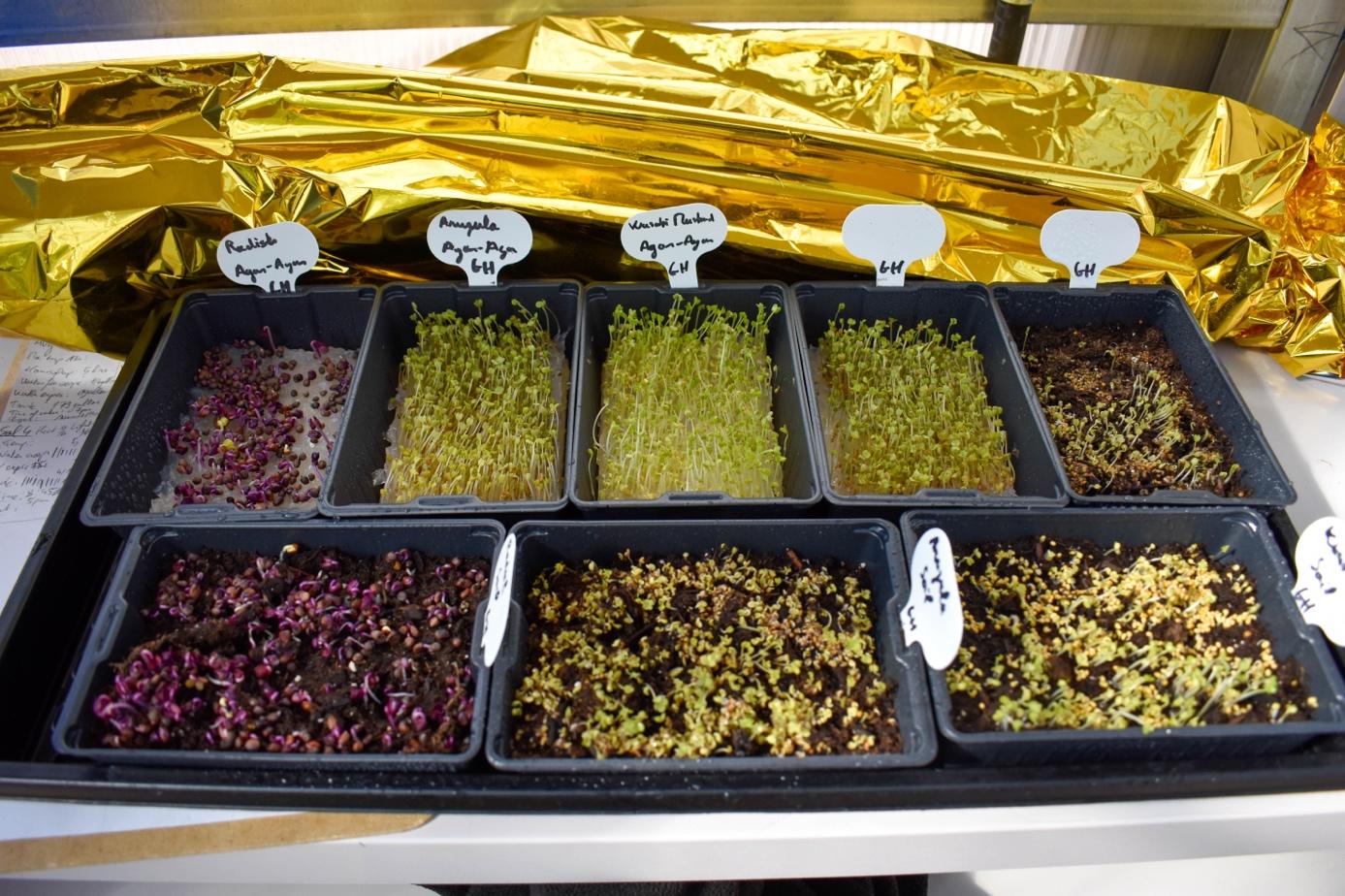
Name: Neopouss
Type: Botany
Crew: Meddi (GreenHab officer)
Description: This study aims to assess the impact of microgreens on meal taste and enjoyment. A blind taste test is conducted to compare microgreens grown in soil, glucose tablets, and agar-agar. Additionally, the research evaluates how the presence of a greenhouse in a Martian base influences crew well-being, providing insights into the psychological and nutritional benefits of fresh food in isolated environments.
Related EVAs: no EVA
Status: The microgreens were planted early in the mission (Sol 3), they went through a 5 day phase of germination in the dark and in a humidified environment. We put them under the light during Sol 9 in the GreenHab and in the Science Dome. Everything went according to plan except for the absence of fresh soil in the GreenHab and the fact that the environment is very dry here in the Utah Desert.
AD_4nXfEO-SyZ-w6_LTbeYl-63eirOWjBLqQ-jWjE4z6S19idRh6IVdq68RWMSxVPE4Vlf8LDAlozGrBe1nlN22WQQdFWjTk5GrpZWCaTTXgIplHjNacGTnDIn9UOqUMPRfVoO4VsoTrshKmY_DewHbzHgo?key=jIlEDhEuFQcPRd_cjtrODUUC

Name: TraceLab
Type: Human Factors
Crew: Erin (Crew commander)
Description: This study uses self-administered questionnaires to explore individual and social adaptations to isolated and confined extreme environments. The goal is to examine the social, emotional, occupational, and physical impacts of these conditions, providing insights into human resilience and well-being in space-like settings.
Related EVAs: no EVA
Status: The crew is filling daily questionnaire about individual and social adaptations. As well, weekly questionnaires about team dynamics are filled out.
Name: Core Data
Type: Physiology
Crew: Robin (Crew Engineer)
Description: The Supaero MDRS Crews Initiative aims to collect physiological datasets for human factors research. In addition to physiological data, the study includes water monitoring and environmental measurements. The purpose is to ensure comprehensive data collection while minimizing redundancy, enhancing the reliability and applicability of the research.
Related EVAs: no EVA
Status: The crew is taking daily physiological data (Oxymetry, Systolic and diastolic blood, temperature) as well as other parameters using the Withings smart scale. The crew also fills daily sleep dairy every morning before the sport session. Everyone is wearing a Withings smartwatch to collect data all along the day.

Name: MoovToLearn
Type: Human Factors
Crew: Somaya (Crew Scientist)
Description: This study examines the impact of luminotherapy and relaxation technology on analog astronauts, focusing on factors such as sleep quality. It utilizes Psio glasses to explore their effects while relying solely on Core Data, without conducting cognitive assessments.
Related EVAs: no EVA
Status: Not started yet.

Name: TwinS2
Type: Human Factors
Crew: Isolde (Crew Journalist)
Description: The objective of this study is to test and improve the TwinS2 system by evaluating human performance through non-invasive methods. Voice messages recorded via a microphone provide data for researchers, allowing them to assess and refine their software.
Related EVAs: no EVA
Status: The crew takes daily recording where they share how they felt during the day, as well as a weekly recording of 4 hours every Thursday.
Name: AMI
Type: Technology
Crew: Somaya (Crew Scientist) & Isolde (Crew Journalist)
Description: This study conducts an in-situ test of an anomaly surveillance interface to enhance the simulation. It analyzes crew reactions to unplanned or randomized events that require minor interventions. In some cases, the study may involve up to two "emergency" EVAs near the station. The use of the Engineering Airlock has been requested to support the experiment.
Related EVAs: no EVA
Status: Not started yet.

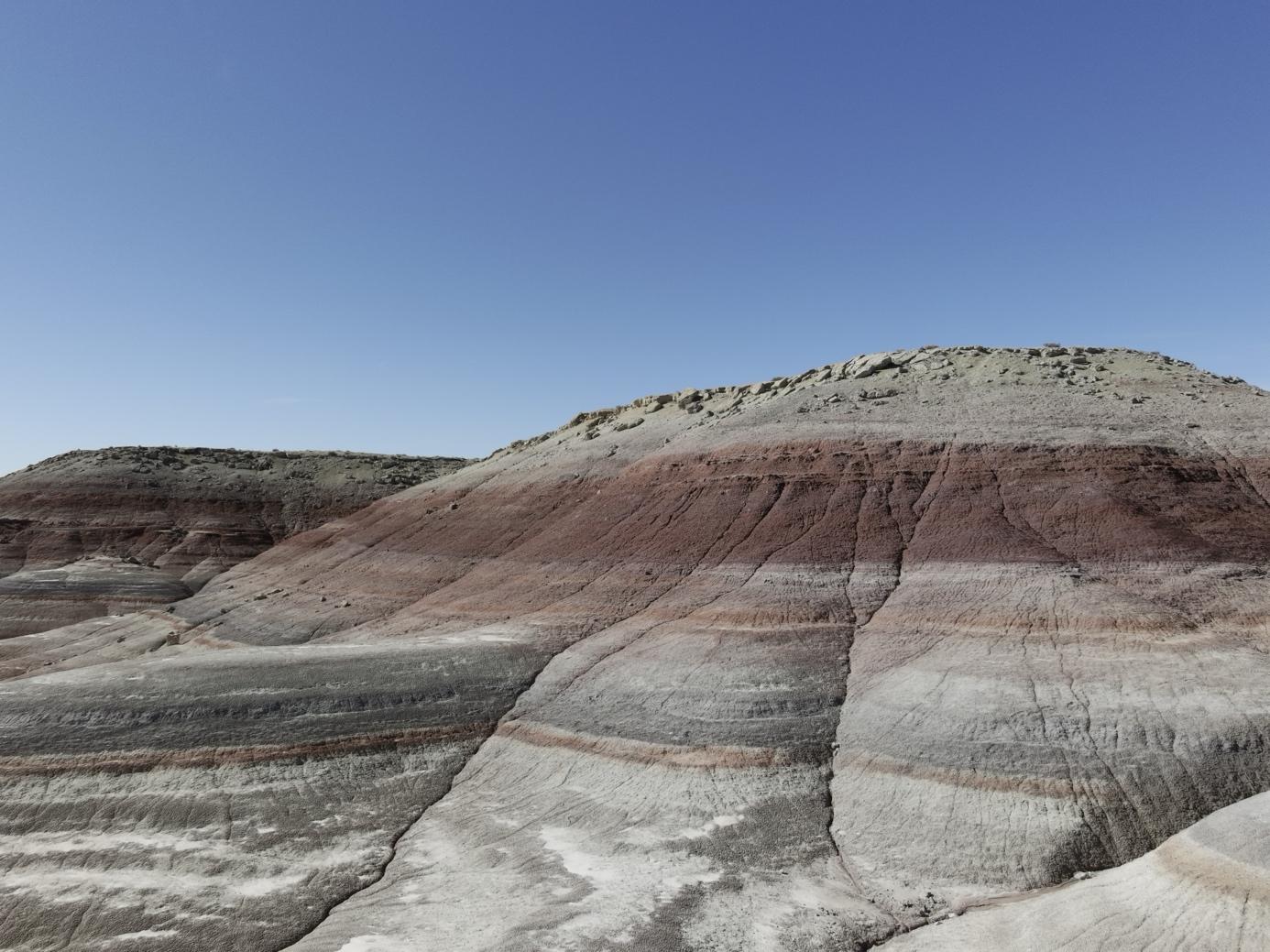
Name: Exploration – Stratigraphy
Type: Geology
Crew: Quentin (Crew Astronomer) & Meddi (GreenHab Officer)
Description: This experiment, conducted by the Research Institute of Astrophysics and Planetology (IRAP), involves EVAs coordinated with photogrammetry EVAs. It focuses on testing stratigraphy through drone imagery, aiming to identify geological samples using these pictures. The study also seeks to train the drone to capture images of entire stratigraphic layers for improved geological analysis.
Related EVAs: #4 and #8
Status: During the two EVAs conducted last week, Crew members took notes of different strates in different areas around the base. They took different aerial pictures using drones as well as a professional camera. They also did different drawing of the geological area.
AD_4nXe6Yqkci_IABr4ys2kL8oEpzvZ2_BxIq7HaIVmg1Lvruu73TGauaJZEG0qd_KVmBrqycuxt8pG8wD6hD1WnjnS5AcmuEoxjy5DSw-yYRDxFOYRK9eoMcdXCXjBRcetDAMaOSlOX0wHaX8FXlORfsw?key=jIlEDhEuFQcPRd_cjtrODUUC

Name: SupaeroMoon
Type: Robotics
Crew: Somaya (Crew Scientist) & Robin (Crew Engineer)
Description: This project focuses on rovers and technologies designed for the lunar environment, with participation in the European Rover Challenge 2025. It involves testing remote control navigation, evaluating camera and mapping methodologies, and exploring the feasibility of simple autonomous navigation. Additionally, the study tests a robotic arm for probe retrieval and collaborates with high school students on Arduino-based experiments.
Related EVAs:
Status: We printed different parts of the robot using the 3D printer “Bambo Lab A1”. The assembly of the entire rover will be done in the next week.

Name: Public Outreach
Type: Social
Crew: Meddi (GreenHab Officer)
Description: This project aims to teach the scientific method through a hands-on experiment. It involves sprouting cress seeds in highly saline soil to simulate Martian conditions and assess plant growth viability. The experiment requires one EVA for execution.
Related EVAs: Coupled with the preparation of some future EVAs
Status: Microgreens and EVA Preparation, the weekly reports of microgreens activities are being sent to highschoolers from different schools. The students that work with us are very motivated to be in some way part of our MDRS mission. When it comes to EVA Preparation, students will discover what is at stake in EVA Preparation during week 3 and 4 of our stay at the MDRS.

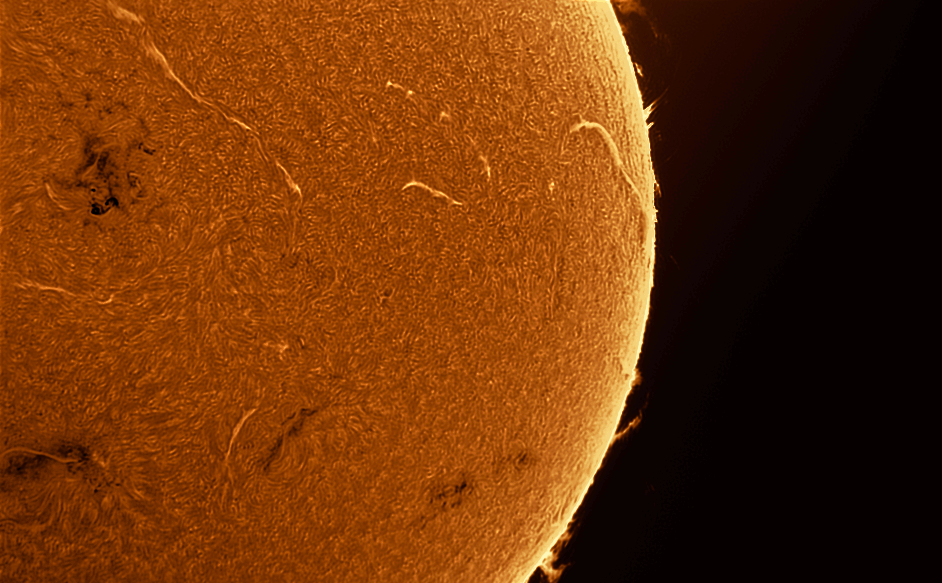
Name: Astronomer’s observation project
Type: Astronomy
Crew: Quentin (Crew astronomer)
Description: Quentin’s observation project consists of two distinct works: during the first two weeks of the mission, he familiarized himself with the telescope of the Musk Observatory by doing several pictures and animations of the Sun with different parameters. By doing so, he managed to capture high-quality pictures and videos of sunspots and prominences and learned to process them using various softwares.
Status: For the two following weeks, he will use these newly acquired skills to conduct his main project: detecting, taking the coordinates and keeping track of sunspots. He fully developed the code to do so and will test it on his previous observations. The final goal of this work is to find a correlation between the behavior of sunspots and the dynamic of Coronal Mass Ejections (CMEs), which pose a great threat for the future of manned space exploration.
Une image contenant objet astronomique, lune, espace, planète Le contenu généré par l’IA peut être incorrect.

Astronomy Report – February 26th

[category  astronomy-report]

Astronomy Report

Name: Quentin Berlemont

Crew: 311

Date: 02/26/2025

MDRS ROBOTIC OBSERVATORY

Robotic Telescope Used (choose one) MDRS-14 MDRS-WF RCOS-16

Objects to be Imaged this Evening:

Images submitted with this report:

Problems Encountered:

MUSK OBSERVATORY

Solar Features Observed: Sunspots, prominences

Images submitted with this report: 0

Problems Encountered: No problems, only solutions! I found the issue in
my observations, now I have the same quality as yours, and have observed
cool prominences. I have not yet had the time to process the images,
I’ll send some tomorrow. I want to make an animation of the sun surface
features and prominences (500 images every 15 seconds for 1 hour), do
you have advice for this? I plan on using Autostakkert!3, IMPPG, NAFE
and Lightroom but if you have other suggestions they are welcome!

Astronomy Report – February 27th

[category  astronomy-report]

Astronomy Report

Name: Quentin Berlemont

Crew: 311

Date: 02/27/2025

MDRS ROBOTIC OBSERVATORY

Robotic Telescope Used (choose one) MDRS-14 MDRS-WF RCOS-16

Objects to be Imaged this Evening:

Images submitted with this report:

Problems Encountered:

MUSK OBSERVATORY

Solar Features Observed: Sunspots, prominences

Images submitted with this report: 1

Problems Encountered: I’m preparing an animation of the sun for the mid
rotation video

Astronomy Report – March 1st

[category  astronomy-report]

Astronomy Report

Name: Quentin Berlemont

Crew: 311

Date: 03/01/2025

MDRS ROBOTIC OBSERVATORY

Robotic Telescope Used (choose one) MDRS-14 MDRS-WF RCOS-16

Objects to be Imaged this Evening:

Images submitted with this report:

Problems Encountered:

MUSK OBSERVATORY

Solar Features Observed: Sunspots, prominences

Images submitted with this report: 3 at
https://drive.google.com/drive/folders/14FeYmbUt-1DaPP385YahgQZJsKtDKxEi?usp=sharing

Problems Encountered: I’m sending you a link to the 3 animations I made
over the last days, I’m especially happy about the GIGADINGZ one, you
can really see the difference of quality after I finally managed to tune
properly. I hope the .gif are readable for you and you can access the
drive!

Copyright © The Mars Society. All rights reserved. | Main Site