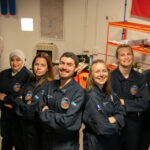
Mid-mission Research Report – April 5th

[category science-report]

Mid mission report – Crew 333

Crew 333 – First Days on Mars: Adapting, Exploring, and Connecting

Crew 333 officially landed on the surface of Mars. Upon arrival, we quickly familiarized ourselves with the station and, after a restorative night’s sleep, began working on our respective experiments and preparing for the first EVAs.

The first two sols were particularly intense, filled with a fast-paced sequence of reports, extravehicular activities, experiment setup, station tasks, and the necessary adjustments to the Martian simulation lifestyle. Early on, the crew also had to address a technical issue: a pressurized tunnel damaged by strong winds. The repair required coordination and careful execution, but it was successfully completed, reinforcing both safety and team cohesion. A bit of confusion surrounding reporting procedures during these initial days added to the challenge, but the crew quickly adapted and found its rhythm.

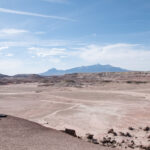
Over the following sols, although the schedule remained demanding, we managed to organize our workload more efficiently. Multiple EVA sites have already been explored, with additional ones planned depending on weather conditions that may restrict access to the field. This improved pace also allowed us to take moments to fully appreciate the experience of living and working on “Mars”: observing the surrounding landscape, and sharing moments of team bonding through cooking, games, and informal discussions.

These first days have laid the foundation for a cohesive, resilient, and motivated crew, ready to make the most of the mission ahead.

Experiments:

This section provides an overview of the current status and recent developments in the various research projects being conducted by the crew. Each experiment continues to evolve in alignment with its objectives.

Matias Ballivian (Crew Astronomer):

As the astronomer for the mission, I am submitting photos every night to take advantage of the less dense Martian atmosphere. So far, I have not yet captured images that meet the standard I aim to achieve, and I am working closely with the Mission Support astronomer to improve my astrophotography skills.

During the first week of the mission, I have also been working on my research concerning radio communication. The goal of my research is to compare passive methods for increasing radio communication range during EVA without increasing transmitter power consumption. The methods being evaluated are a reflective surface and a tuned loop resonator.

I have already gathered some data to better understand how radio communication works in this environment, and I have conducted short-range tests that look promising for the long-range transmission tests I will be carrying out in the coming week.

Zahraa Al-bayati (Health and Safety Officer):

Throughout the first half of the mission, significant attention has been given to the health and well-being of each crew member. Medication intake has been carefully tracked, with dosages and administration times systematically logged for each individual. Hydration levels have also been closely monitored to ensure the crew remains in optimal condition during both EVA and habitat activities. Overall, the crew’s health status has been satisfactory, with no major incidents to report.

As for my experience, it investigates the evolution of verbal fluency over the course of the mission. The first round of data collection has been completed, including a language questionnaire and a recorded audio linguistic task administered to all crew members. This initial dataset establishes the baseline for the study.

Data collection is scheduled to be conducted two additional times: at mid-mission and at the end of the mission, in order to track potential changes in verbal fluency and draw meaningful conclusions about the cognitive effects of an isolated and confined environment on language performance.

Matthias De Groote (GreenHab Officer):

The experiment conducted aims to evaluate the impact of different soil compositions, including Martian regolith simulant and Utah desert soil, on tomato seed germination and early plant development. Understanding how plants respond to extraterrestrial or extreme terrestrial substrates is essential for the development of sustainable agriculture systems in future space missions, particularly in Martian environments. Since substrate composition directly influences water retention, nutrient availability, and root development, assessing plant responses under these conditions is crucial.

Tomato seeds were selected as a model due to their rapid germination and sensitivity to environmental conditions. The experiment investigates how varying proportions of potting soil, Martian soil simulant, and Utah desert soil affect germination rate, germination timing, and early plant growth parameters.

The experimental setup consisted of six different substrate conditions, each duplicated in two pots, resulting in a total of twelve pots. Each pot was filled with a substrate mixture prepared based on mass to ensure consistency, while maintaining a similar volume across all pots (approximately 2 cm below the rim) due to differences in bulk density between substrates.

The six conditions were defined as follows:

  • Condition 1 (control): 100% potting soil

  • Condition 2: 25% potting soil, 75% Martian soil

  • Condition 3: 10% potting soil, 90% Martian soil

  • Condition 4: 25% potting soil, 75% Utah desert soil

  • Condition 5: 100% Martian soil

  • Condition 6: 100% Utah desert soil

For each pot, 25 mL of water was added and thoroughly mixed with the substrate to ensure homogeneous moisture distribution and prevent water accumulation at the surface. Ten tomato seeds were then evenly distributed in each pot.

To control environmental conditions and limit excessive evaporation or localized greenhouse effects, each pot was covered with plastic film and placed inside a white bag. The seeds were sprayed with water and monitored daily.

At this stage of the experiment, I am still awaiting seed germination. I am currently encountering minor difficulties in maintaining sufficient humidity within the pots, likely due to the physical properties of the substrates, particularly those containing high proportions of Martian simulant and desert soil. Adjustments in watering frequency and moisture management are therefore being considered to optimize germination conditions.

Once germination occurs, the plastic cover will be removed. The germination rate and the timing of germination will be recorded for each condition, allowing the assessment of both the success and speed of germination under different substrate constraints. These parameters provide insights into the physiological response of seeds to environmental stress.

After germination, five plants per condition will be selected and maintained for further growth analysis. Watering will be performed periodically, with the volume and frequency adjusted according to ambient temperature conditions, in order to maintain adequate soil moisture while minimizing water usage.

At the end of the experiment, several growth parameters will be measured to evaluate plant development. These will include shoot length (hypocotyl and epicotyl), root system length, number of secondary roots, and fresh biomass. These measurements will allow for a comprehensive assessment of how substrate composition influences both aboveground and belowground plant development.

This experiment provides valuable insights into the ability of plants to grow in Martian-like substrates and extreme terrestrial soils, contributing to our understanding of plant adaptation in constrained environments and informing future strategies for extraterrestrial agriculture.

Joanna Galloway (Crew Journalist):

As part of the human–machine interaction experiments conducted during the MDRS mission, I have been analyzing crew gestures using a Tap Strap device. The objective of this study is to record and characterize a set of eight predefined gestures performed by crew members, in order to generate a dataset that can later be used to train a machine learning module currently being developed by a professor at UCL.

During the initial phase of the mission, I focused on collecting baseline data under controlled conditions. Crew members were asked to reproduce each of the eight gestures multiple times in the Science Dome, ensuring consistency in execution and minimizing external variables. This approach allows for the creation of a reliable reference dataset for gesture recognition.

In the next phase of the experiment, I plan to investigate the impact of extravehicular constraints on gesture performance. To achieve this, crew members will perform the same set of gestures during two separate outdoor sessions while wearing different types of spacesuits. These trials are designed to simulate operational conditions on Mars and to assess how mobility restrictions, glove thickness, and environmental factors affect both gesture execution and sensor detection.

The data collected will subsequently be analyzed to identify variations in gesture accuracy and consistency across conditions. This work aims to contribute to the development of robust gesture-based control systems adapted to space environments, with potential applications in future planetary exploration missions.

Antoine Dubois (Crew Executive Officer / Crew Engineer):

As part of my experiment, I aim to compare terrain perception in a Martian analogue environment between human observation during EVA and drone-based imagery. On Mars, understanding the terrain relies on a dual perspective: that of astronauts on the ground, constrained by their field of view, and that of robotic systems such as drones. This perception can be affected by dust, potentially altering the recognition of landforms, obstacles, and geomorphological structures.

In the field, selected sites are explored both by EVA crew members and through aerial imaging using a drone when conditions allow. Crew members assess the terrain based on predefined criteria such as readability, visibility, and surface characteristics, while the drone captures complementary visual data from above. This approach enables a direct comparison between ground-based and aerial perceptions of the same environment.

At the midpoint of the mission, two sites have already been successfully studied. The initial observations highlight noticeable differences in terrain interpretation depending on the observation method, particularly in areas with uneven surfaces or dust cover. Additional EVA sessions are planned to investigate two or three more sites, depending on weather conditions, which may limit access to the field or drone operations.

By the end of the mission, this experiment is expected to provide valuable insights into how observational biases may influence terrain assessment on Mars, and how combining human and robotic perspectives could improve navigation, safety, and scientific analysis during future exploration missions.

Marie Jansen (Crew Commander):

In their study on conflict management styles before and after a long-duration spaceflight simulation, Kass et al. (2010) draw on the Thomas-Kilmann Conflict Mode Instrument, which identifies five modes of response to disagreement. Their findings show a predominant use of the accommodating mode (over 75%) compared to the collaborating mode (under 25%). These observations highlight a tendency to prioritize harmony over collaborative conflict resolution. This theoretical framework served as the foundation for the present research.

The aim of this study is to examine the extent to which conflict management strategies influence conflict resolution over time. It also seeks to analyze how these strategies evolve, and to compare their use between a standard terrestrial environment and a confined, isolated setting, as well as the impact all of this may have on stress levels. This study will contribute to a better understanding of how individuals adapt to conflict in contexts of isolation and confinement.

Prior to departure, participants completed an initial Dutch questionnaire designed to assess their typical conflict management styles in everyday life. During the simulation, data were collected using two tools. The first is an anonymized online logbook, filled out daily at the end of each day (estimated time: 5 to 10 minutes). Participants briefly described any disagreements experienced during the day, identified the conflict management strategies they used based on the Thomas-Kilmann model through Likert-type scales, and rated both their own conflict management and that of the other parties involved. A follow-up question assessed whether the disagreement was still emotionally or cognitively present at the time of completion. At the end of the questionnaire, participants were asked to rate their stress level during the conflict.

At this stage, I am unable to access the results of my experiment. As one of the participants in my own mission, reviewing my crewmates’ responses would risk biasing the data, so I have chosen to set that aside until we return.

That said, here are my personal observations. I believe that starting the simulation earlier than originally planned likely had a meaningful impact on the results. The most significant conflicts emerged and were resolved right at the beginning, we took the time to openly share our ways of living, our boundaries, and our frustrations, which meant that by Sol 1, we had already reached a solid understanding on many fronts.

I have also noticed that the crew makes a genuine effort to express their reservations, whether through me as a channel, during shared meals, or even through lighthearted but pointed humor. Overall, conflict tends to be managed fairly well, and people do try to adapt to one another. However, I do sense that at times, some crew members hold back and absorb tension rather than actively seeking a collaborative solution.

I very much look forward to discovering the full results once we are back in Belgium.

Astronomy Report – April 10th

[category 

astronomy-report]

Report title: Astronomy Report
Crew #: 333
Position: Crew Astronomer
Report prepared by: Matias Ballivian Ascarrunz
Date: 10-04-2026
Sol: 12

MDRS ROBOTIC OBSERVATORY
Robotic Telescope Requested: MDRS-WF & RCOS-16
Objects to be Imaged this Evening: NGC 2237 resubmission
Images submitted with this report: None
Problems Encountered: All of the images taken last night with the RCOS-16 are corrupted.
MUSK OBSERVATORY
Solar Features Observed: N/A
Images submitted with this report: N/A
Problems Encountered: N/A

Operations Report – April 2026

Report title: Operations Report
Crew #: 333
Position: Executive Officer / Crew Engineer
Report prepared by: Antoine Dubois
Date: 09-04-2026
Sol: 11

Non-nominal systems: Opportunity rover
Notes on non-nominal systems: Opportunity rover: Opportunity rover still out of service
ROVERS
Spirit rover used: EVA #17 | EVA #18
Hours: 305.5 | 305.7
Beginning charge: 100% | 100%
Ending charge: 69% | 69%
Currently charging: Yes
Opportunity rover used: Out of service
Hours: /
Beginning charge: /
Ending charge: /
Currently charging: No
Curiosity rover used: EVA #17
Hours: 357.6
Beginning charge: 100%
Ending charge: 70%
Currently charging: Yes
Perseverance rover used: EVA #18
Hours: 405.4
Beginning charge: 100%
Ending charge: 63%
Currently charging: Yes
General notes on rovers: The Opportunity rover is still out of service due to a burnt fuse.

Summary of Hab operations:
Water Use: 17.84 gallons
Main tank level: 180 gallons
Main water tank pipe heater (ON or OFF): OFF
Main water tank heater (ON or OFF): OFF
Toilet tank emptied (NO or YES): YES

Summary of internet: The connection is used to conduct research for experiments, and to listen to music.
Summary of suits and radios:
Marie Jansen, Commander: Suits and radio 1
Antoine Dubois, Executive officer: Suits and radio 2
Zahraa Al-bayati, HSO: Suits and radio 3
Matias Ballivian, Astronomer: Suits 4 and radio 1
Matthias De Groote, Greenhab Officer: Suits and radio 5
Joanna Galloway, Journalist: Suits and radio 6

Summary of GreenHab operations:
Water use: 2 gallons
Heater (ON or OFF): ON, 70 F°
Supplemental light (hours of operation): 7:30 pm to 11:30 pm
Harvest (name, weight in grams): N/A

Summary of ScienceDome operations: None
Dual split (Heat or AC, On or Off or Automatic): AC, Automatic

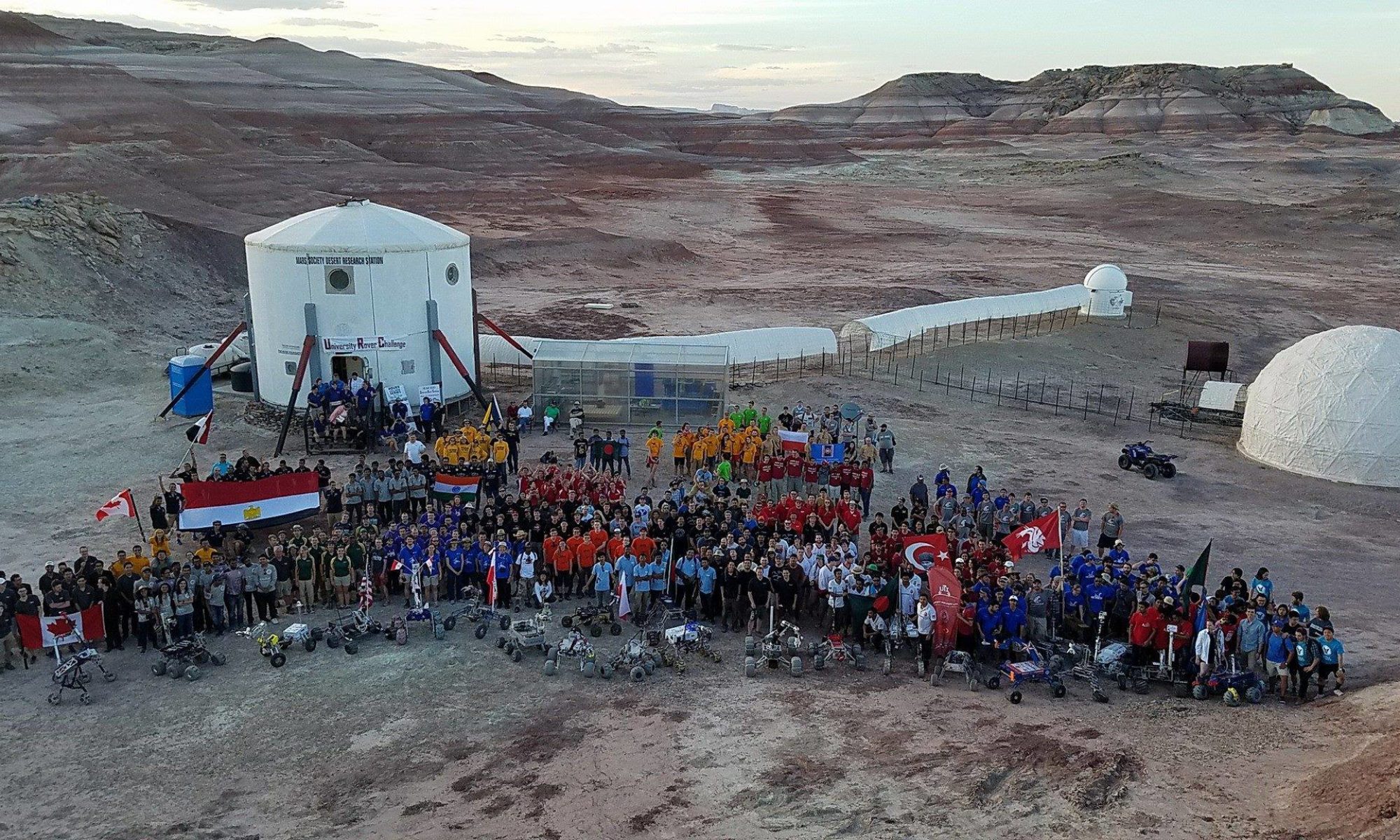
Summary of RAM operations: The astronomer cleaned the RAM (using disinfectant wipes and sweeping the floor) in preparation for our departure. He also reorganized the inside of the only drawer he actually used (see photos below).

Summary of any observatory issues: None
Summary of health and safety issues: None
Questions, concerns and requests to Mission Support: None

Sol Summary – April 9th

Report title: Sol Summary Report
Crew #: 333
Position: Crew Commander
Report prepared by: Marie Jansen
Date: 09–04–2026
Sol: SOL 11

Summary Title: 1 day until the end
Mission Status: A bittersweet feeling as we begin to pack everything away
Sol Activity Summary:
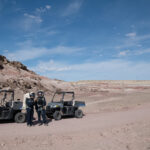
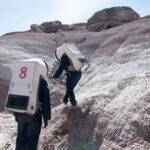
We woke up at our usual time of 8:00 AM and started the day with cereal and bread before heading out for the first EVA, with Antoine, Joanna, Matthias, and Marie. The team made their way to Kissing Camel Ridge to carry out Joanna and Antoine’s experiments. Unfortunately, Joanna’s Tap Strap ran out of battery before everyone had the chance to complete the exercise. Antoine’s experiment, however, went through without a hitch. Afterwards, the team decided to climb up one of the camel’s humps to take in the breathtaking view one last time, making the most of the moment with some beautiful photos to remember it by.
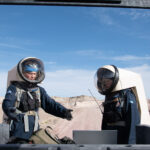
Back at the station, the crew gathered for a group photo in their suits, followed by individual professional shots. Lunch was a light quinoa meal, after which everyone settled in for a short nap before the second EVA, which had to be delayed to allow the Tap Straps time to recharge. Unfortunately, the charge was not sufficient, meaning Joanna was unable to join this time around. The second team, made up of Matias, Zahraa, and Antoine, headed out to carry out Antoine and Matias’ experiments. The EVA was kept short and efficient, and the team was back home quickly.
Here at the hab, everyone is busy packing up their belongings and tidying their respective spaces. The end of the simulation is quietly but unmistakably drawing near for Crew Arsia.
Look Ahead Plan:
Tomorrow marks our final day of simulation, with the official end scheduled for 11:45 AM. The morning will be dedicated to tidying up, cleaning, and finishing off the packing. Once the simulation is closed, we are planning a short walk outside the MDRS to enjoy the surroundings one last time. The evening will be a celebratory one, with a small get-together to toast to this incredible experience we have shared together.
Anomalies in work:
None
Weather:
The weather was perfect for our final EVAs.
Crew Physical Status:
Everyone is doing well, though a sense of nostalgia is already setting in for everything we have lived through together.
EVA:
Both EVAs are covered in detail in the daily summary above. The only points worth highlighting are Joanna’s Tap Strap running out of battery during the first EVA, and the second EVA being delayed due to insufficient recharging time, which ultimately prevented Joanna from joining the outing.
Reports to be filed:
Sol Summary
Operations Report
Greenhab Report
Journalist Report
Astronomy Report
EVA Report
Daily photos
Support Requested: none

GreenHab Report – April 9th

Report title: GreenHab Report
Crew #: 333
Position: GreenHab Officer
Report prepared by: Matthias De Groote
Date: 09-04-2026
Sol: 11

Environmental control (fan & heater): Yes, Fan max : 80, Fan min : 75 ; Heater : 70 F°
Average temperatures (last 24h): 93.7 F°
Maximum temperature (last 24h): 118.2 F°
Minimum temperature (last 24h): 69.3 F°
Hours of supplemental light: 4:00
Daily water usage for crops: 2 gal
Daily water usage for research and/or other purposes: 0 gal
Water in the Tank (160 gal useful capacity): 136 gallons remaining
Time(s) of watering for crops: 12:00 pm
Changes to crops: N/A
Harvest: N/A
Support/supplies needed: No

Journalist Report – April 9th

Report title: Journalist Report
Crew #: 333
Position: Crew Journalist
Report prepared by: Joanna Galloway
Date: 09-04-2026
Sol: 11

Journalist Report Title (if applicable):
Today was our last full day on Mars, tomorrow at noon we will be off back to earth so we wanted to make the most of the day! Today everyone went out to Kissing Camel Ridge to finish off Antoine’s experience observing a new terrain. The first team: Matthias, Joanna, Marie and Antoine, they climbed up on one of the hills and really soaked in the view of the martian planet for one last time. It was a truly breathtaking experience, we will not be quick to forget it. Joanna also had everyone pass with the tap strap to perform her experiment. Once they headed back to the station, we took crew pictures to capture the finale few moments of our lives at the MDRS. We had some quinoa for lunch then the afternoon flew by, everyone started packing and cleaning up the station to make sure it will be left in perfect condition for the next crew visiting mars. The afternoon EVA: Matias, Zahraa and Antoine left around 4pm, Joanna was supposed to accompany them to get the last of her measures, unfortunately her devices stopped working and she could no longer get them to turn on. The crew made the most of their outing before returning to the base. Most people had finished cleaning up their rooms and habs, the crew can now have a nice last evening. For dinner, it will be chickpea curry with naan bread then a night full of games.

EVA Report – April 9th

Report title: EVA Report
Crew #: 333
Position: Astronomer
Report prepared by: Matias Ballivian Ascarrunz
Date: 09-04-2026
Sol: 11

EVA #: 17
Purpose of EVA: Joanna will take a part of the crew members to collect data for her experiment with the heavy gear. After the EVA team will explore the zone in a radius of no more than 1,5 km from the initial point, so that Antoine can also conduct his experiment. When they will be back at the station, for a video they will need to take some drone images of the MDRS for our website and social media.
Start time: 9:05 AM
End time: 11: 40AM
Narrative:
They started preparation at 8:45 AM, they started the decompression at 9:05 AM, got in the rovers (9:15 AM ) and started their way to the destination, where they arrived at 9:21 AM. Then, they did Joanna’s experiment, they explored for a little bit and headed back to the rovers at ( 11:14 AM). Arriving to the station at 11:20 AM. Where they took drone footage and started decompression at 11:35 AM.
The rover distribution is the following:
Spirit: Marie & Jo
Curiosity: Antoine & Matthias
Destination per MDRS Map: Camel Kissing Ridge
Destination Coordinates (use UTM WGS 84): 0518279E 4249438N
EVA Participants:
Joanna, Journalist -> EVA Leader
Antoine, Executive officer/Engineer
Marie, Commander
Matthias, Greenhab Officer
Road(s) and routes per MDRS Map: Cow Dung Road
Mode of travel: walking & driving

Astronomy Report – April 9th

[category 

astronomy-report]

Report title: Astronomy Report
Crew #: 333
Position: Crew Astronomer
Report prepared by: Matias Ballivian Ascarrunz
Date: 09-04-2026
Sol: 11

MDRS ROBOTIC OBSERVATORY
Robotic Telescope Requested: MDRS-WF & RCOS-16
Objects to be Imaged this Evening:NGC 2237, M66, M81, M51
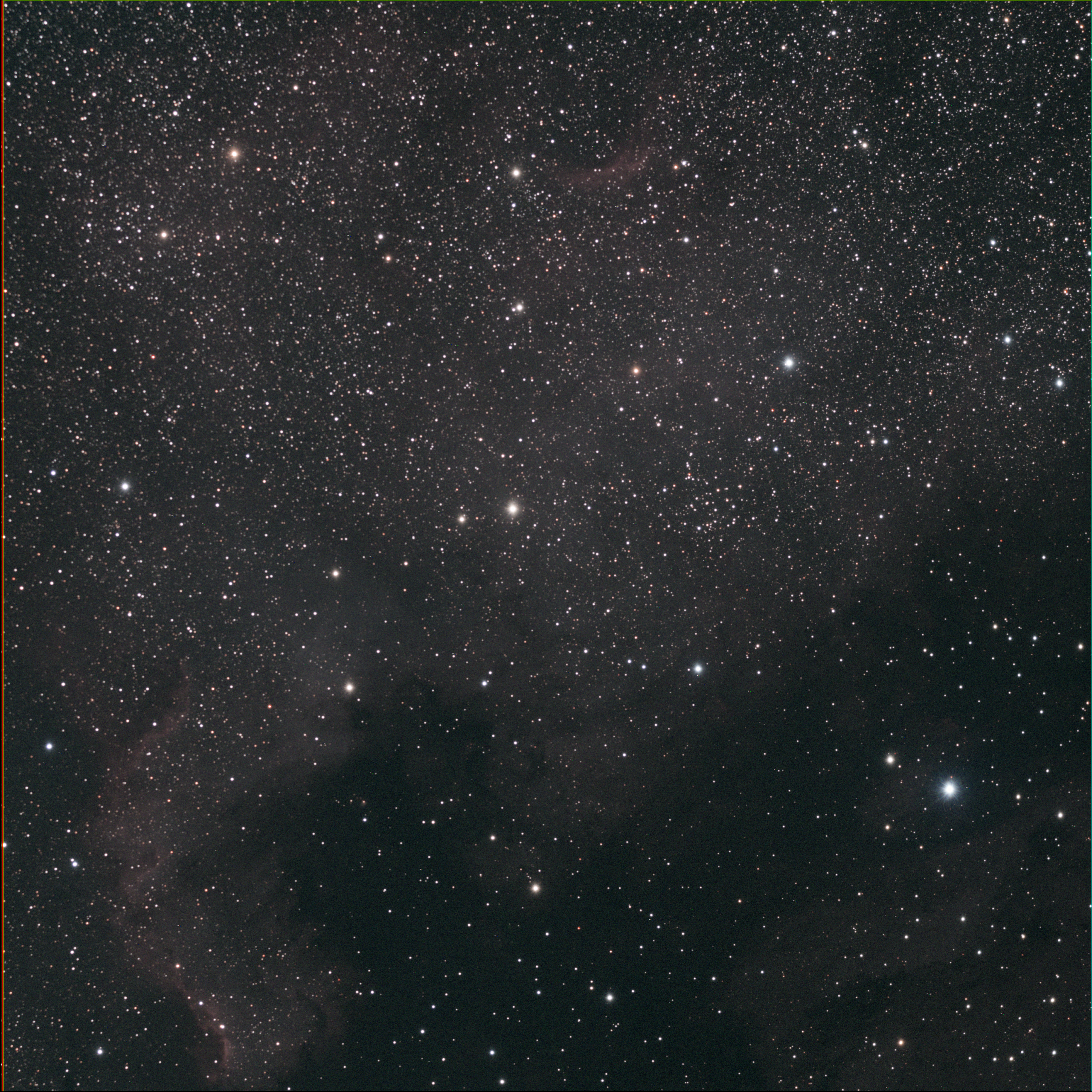
Images submitted with this report: NGC7000 colored
Problems Encountered:Mount error in the MDRSWF
MUSK OBSERVATORY
Solar Features Observed: N/A
Images submitted with this report: N/A
Problems Encountered: N/A

Astronomy Report – April 8th

[category 

astronomy-report]

Report title: Astronomy Report
Crew #: 333
Position: Crew Astronomer
Report prepared by: Matias Ballivian Ascarrunz
Date: 08-04-2026
Sol: 10

MDRS ROBOTIC OBSERVATORY
Robotic Telescope Requested: MDRS-WF & MLC RCOS-16
Objects to be Imaged this Evening: Resubmission of M51& M81 (The previous images were corrupted), and M99
Images submitted with this report: ngc7000 colored using ASIStudio to stack and to combine the RGB+Lum
Problems Encountered:None
MUSK OBSERVATORY
Solar Features Observed: N/A
Images submitted with this report: N/A
Problems Encountered: N/A
Question: Would you recommend doing the coloring in Photoshop? If so, after stacking I have three images; PNG, TIFF, and FITS. Which one should I use for coloring?
Thanks again for all the help!