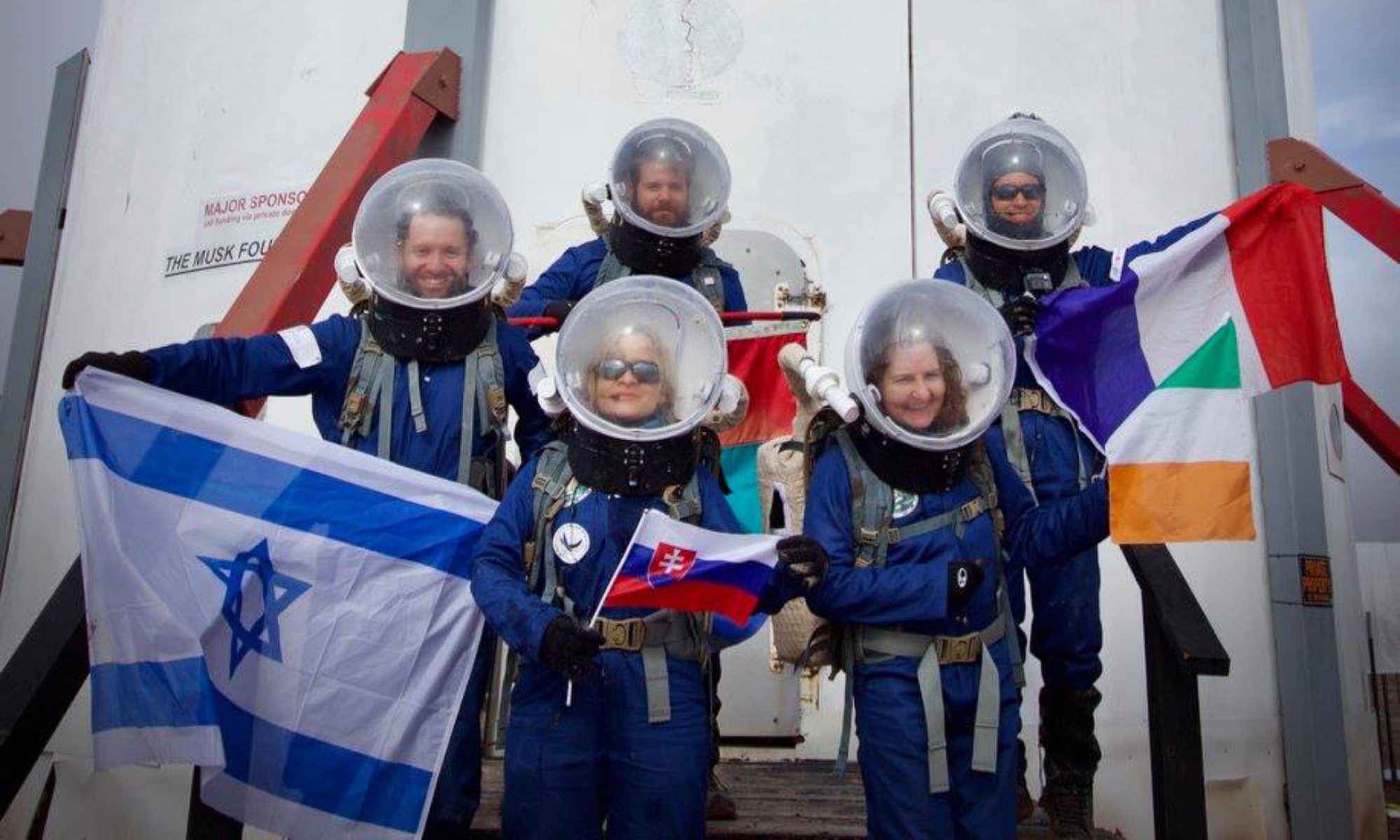

Journalist Report – January 28th

Journalist Report
Crew #: 328
Position: Crew Journalist, Comms Officer, & Astronomer
Report prepared by: Tom Bickmore
Date: 28-01-2026
Sol: 3
Journalist Report Title: Experiments at Home

Hello from the Hab on Sol 3. No EVAs today—just a relatively calm, productive inside day at the Mars Desert Research Station as we keep building momentum.

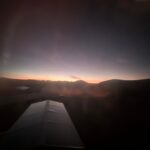
We woke up to the smell of fresh bread baking (another successful batch from the bread-maker), and I captured an amazing sunrise timelapse over the Martian desert landscape this morning—beautiful start to the day.

We spent time cleaning up the Hab and getting familiar with the cleaning tools and supplies available here. One quirky find: vacuum filters tucked in the back of a cupboard which was labeled "Christmas Grogu" for reasons unknown. (A previous crew’s inside joke?)

The bulk of the day went to personal experiments, but it was rarely solo work. We rotated help based on each person’s strengths, which made everything run smoothly and efficiently.

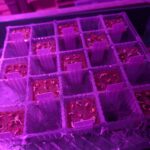
Engineer/Safety Officer Aaron Tenner got his materials testing experiment running: comparing the structural performance of 3D-printed hydroponics hardware made from different filaments. (I got to drill a bunch of the holes for it.)

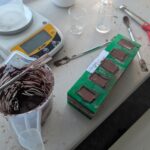
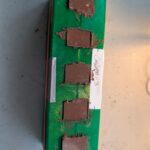
Crew Scientist Jahnavi Dangeti made sample bricks from regolith sorted into different grain sizes, using molds 3D printed and assembled by Aaron. (I spent about an hour dancing around with a stack of screens in the science dome, sifting and sorting the collected sample into different sizes.)

GreenHab Officer Rebeca Gonçalves continued advancing her plant experiments, which are starting to fill up the GreenHab alongside Aaron’s hydroponics setups.

On the outreach side, I arranged an additional event and refined more details for our main Live From Mars session. More schools and individuals keep signing up—interest is growing steadily. We have a practice run scheduled for Friday with my co-hosts (some of my best space-loving students), and I’m personally very excited to introduce the crew to my students (and honestly, maybe even more excited to show off my students to the crew).

Commander Mariló Torres kept us going through the day with another great experimental Martian meal. Tasty and well received by the crew!

Daily routines feel more natural now, and the teamwork is stronger than ever.

We are also looking into an EVA to clean the exterior Hab windows for better pictures. With gravity on Mars reduced, ladders are safer, right?

More updates on Sol 4.
GreenHab Report – January 28th

Report title: GreenHab ReportCrew #: 328
Position: Greenhab Officer
Report prepared by: Rebeca Goncalves
Date: 28/01/2026
Sol: 3

Environmental control (fan & heater): Fan max: 85F, Fan min: 80F, Heater: 70F
Average temperatures (last 24h): 77.8F
Maximum temperature (last 24h): 88.7F
Minimum temperature (last 24h): 66.8F

Hours of supplemental light: 5:30h (6pm to 11:30pm)

Daily water usage for crops: 3
Daily water usage for research and/or other purposes: 9
Water in the Tank (160 gal useful capacity): 146 gallons remaining
Time(s) of watering for crops: 7pm

Changes to crops: N/A

Narrative:
The 3 experiments are now fully set up in the greenhab.
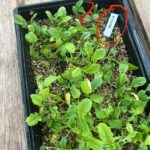
The Greenhab Officer is responsible for Exp. 1 and 2 (Exp.1 studies tomato seeds sent to space planted in Mars regolith simulant; Exp. 2 studies microgreens planted in soil system and hydroponics system). All seeds have been sown.
The Crew Engineer is responsible for Exp. 3 (Exp.3 studies the viability of a 3D printed hydroponic system on mars using 2 different types of material). No plants are involved.

Harvest: (include which crop and mass in grams) N/A

Support/supplies needed: N/A

Sol Summary – January 31st

Report title: Sol Summary Report
Crew #: 328
Position: Commander
Report prepared by: Mariló Torres
Date: 31-01-2026
Sol: 6

Summary Title: First "green shoots"

Mission Status: Halfway point of the mission

Sol Activity Summary:
It’s heartening to see the first sprouts of our experimental crops emerging in the Green Hub, and we’re excited to be making progress with the chemical tests that subject the sand and minerals to different conditions.

Today there was also time for culinary, spiritual, and linguistic cultural exchanges. We’re so lucky to have a crew that represents four different continents.

We’ve reached the halfway point of the mission, and we have the feeling that time is flying by. We’ve been here for a week, and we’ve barely noticed.

The camaraderie is excellent, and we already feel like a family. I think we’ve even developed a sense of group identity, of belonging to the same community.

Look Ahead Plan:
Tomorrow, we’ll initially be taking the day off. However, if any urgent situation or need arises related to the experiments, we will certainly work on it.

Anomalies in work:
None.

Weather:
Partly cloudy.

Crew Physical Status:
Healthy and fit.

EVA:
None.

Journalist Report – January 31st

Journalist Report
Crew #: 328
Position: Crew Journalist, Comms Officer, & Astronomer
Report prepared by: Tom Bickmore
Date: 31-01-2026
Sol: 6
Journalist Report Title: Sol 6

Hello from the Hab on Sol 6.

Full crew collaboration today at the Mars Desert Research Station—everyone rotated through personal projects, helping where strengths aligned best.

We all took turns making small test bricks from local regolith sifted to uniform particle size and mixed with precise amounts of water, gum, and salt. Messy, sticky work, but fun. The mixture looked and felt temptingly chocolatey—we resisted tasting it.

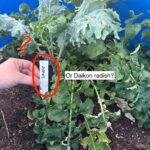
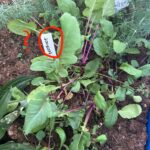
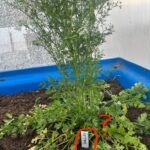
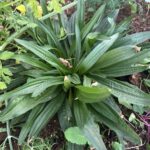
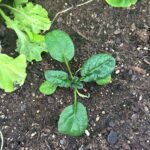
In the GreenHab, Aaron’s materials testing project advanced with further observations. Hydroponic radishes showed continued growth, and radishes in lab-grade regolith produced their first germination. The other setups, including TomatoSphere tomatoes in lab-regolith with 10% organic amendment, progressed steadily.

I configured the main Hab iMac to display the best ever topographical map of Mars (created and donated by Casey Handmer of Terraform Industries). The dataset, which consists of hundreds of millions of files, providing 7-meter per pixel resolution in 3D of the Martian surface is in Linux ext4 format so that it only takes a few TB of space. But that requires further simulation workarounds since macOS and Windows don’t read ext4 natively and Google Earth Pro lacks full M1 support. After a couple hours of fiddly setup, I’m most of the way there. Top priority: keep the iMac stable and running smoothly—no risk to the smart home dashboard, EVA-Link map, or critical systems (like Life Support).

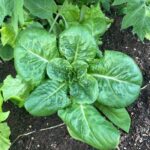
We discovered that everything is available for proper hamburgers tomorrow, with some creativity in our Freeze Dried pantry, including fresh lettuce from the GreenHab. The crew is already excited.

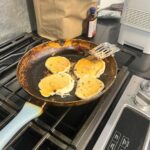
Tonight we continued cultural exchange (with five countries represented) by making pancakes from Krusteaz mix with chocolate chips. Some crew members tried them for the first time—they were a big hit. We have had many other cultural exchanges, including friendly conversations about histories, legends, and traditions, and other dishes from different parts of the world.

Daily routines flow naturally now, teamwork stays strong, and projects keep advancing. More on Sol 7.

Operations Report – January 31st

Report title: Operations Report
Crew #: 328
Position: Crew Engineer / HSO
Report prepared by: Aaron Tenner
Date: 31-01-2026
Sol: 6

Non-nominal systems: N/A
Notes on non-nominal systems: N/A
ROVERS
Spirit rover used: N/A
Hours: (before EVA)
Beginning charge: (Before EVA)
Ending charge: (On return from EVA, before recharging)
Currently charging:
Opportunity rover used: N/A
Hours:
Beginning charge:
Ending charge:
Currently charging:
Curiosity rover used: N/A
Hours:
Beginning charge:
Ending charge:
Currently charging:
Perseverance rover used: N/A
Hours:
Beginning charge:
Ending charge:
Currently charging:
General notes on rovers: No Rovers used today.
Summary of Hab operations: Quiet day in the hab, mostly focused on experiments. Made chocolate chip pancakes last night and this morning, the crew was very intrigued about how to make American krusteaz pancakes.
Water Use (see notes): 20.89 gal/day
Main tank level (remaining gallons, see notes): 262.2
Main water tank pipe heater (ON or OFF): ON
Main water tank heater (ON or OFF): ON
Toilet tank emptied (NO or YES): NO
Summary of internet: downlink 396.93 mbit/s, uplink 22.5 mbit/s, ping 22ms
Summary of suits and radios: None used today.
Summary of GreenHab operations: Cleaned, hydroponics continue to germinate, first radish seeds in Martian regolith germinated.
Water use: 3 gallons
Heater (ON or OFF): ON
Supplemental light (hours of operation): 6:30-11pm
Harvest (name, weight in grams): N/A
Summary of ScienceDome operations: Made regolith and poured molds into 3D printed trays.
Dual split (Heat or AC, On or Off or Automatic): Automatic, 70 degrees F
Summary of RAM operations: None today, NB bag dropped off this morning.
Summary of any observatory issues: None
Summary of health and safety issues: Items from recent HSO reports are progressing well.
Questions, concerns and requests to Mission Support: NA

GreenHab Report – January 31st

Report title: GreenHab Report
Crew #: 328
Position: Greenhab Officer
Report prepared by: Rebeca Goncalves
Date: 31/01/2026
Sol: 6

Environmental control (fan & heater): Fan max: 85F, Fan min: 80F, Heater: 70F
Average temperatures (last 24h): 76.4F
Maximum temperature (last 24h): 85.5F
Minimum temperature (last 24h): 67.3F

Hours of supplemental light: 5:30h (6pm to 11:30pm)

Daily water usage for crops: 2.7gal
Daily water usage for research and/or other purposes: 0.3gal
Water in the Tank (160 gal useful capacity): 140 gallons remaining
Time(s) of watering for crops: 7pm

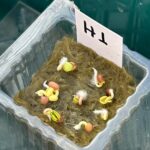
Changes to crops: Exp 1: No changes. Exp 2: Hydroponics showed first photosynthetic cotyledons. First radish seeds germinated in Martian regolith.

Narrative: Greenhab was cleaned and tidied today. The seed cover for Exp 2 hydroponic was removed since cotyledons are now showing and need light to grow.

Harvest: (include which crop and mass in grams) N/A

Support/supplies needed: N/A

Pictures attached.

Supplemental Operations Report – January 31st

Date: 1/31/2026
Name of person filing report: Brett Bennett
Reason for Report: Routine
Off-Nominal Systems: Hab outer shell. Perseverance e-brake. Hab static tank sensor.

Power system:
GENERAC 15 kW EcoGen operating nominally, including as part of the Sol Ark system.
Current generator hours: 1390.8.

Propane:
Station Tank: 72%
Director Tank: 75%
Intern Tank: 75%
Generator Tank: 80%
Propane was not refilled this week.

Water:
Hab Static Tank: ~280 gallons. Hab static tank sensor currently being replaced.
GreenHab: 142 gallons
Outpost tank: 450 gallons
Septic Tanks emptied: No

Rovers:
Sojourner rover used: No.
Hours: 222.5
Beginning Charge: 100%
Ending Charge: 100%
Currently Charging: Yes
Monthly rover servicing completed on 1/31/26. This service showed no damaged cables. Inspection of the Perseverance e-brake shows worn brake pads, suggested for replacement at the next servicing.

Cars:
Hab Car used and why, where: Two round trips to Loa for Crew car control rod and brake service.
Crew Car used and why, where: Round trip to Loa for control rod and brake service. Round trip to Grand Junction for crew and station supplies.
General notes and comments: Recent Crew car service has addressed important issues with the tires and drivetrain, and the car is now running well.

Internet: Nominal.
EVA suits and radios: Nominal. Comms kit 2 headset malfunction occurred on 01/27/2026, which may require replacement.
Suits: Nominal.
Comms: Nominal.
T-Echo EVA-link: Nominal.

Campus wide inspection, if action taken, what and why: None. Hab outer shell shows ongoing wear. New installation of camera feed for the outpost (facing south from the shed southeast corner) is ongoing.

Summary of Hab Operations: Nominal. New room humidifier delivered to crew on 01/30/2026.
Summary of GreenHab Operations: Nominal.
Summary of SciDome Operations: Nominal.
Summary of Observatories Operations: Nominal.
Summary of RAM Operations: Nominal.
Summary of Outpost Operations:
Director trailer: Nominal.
Intern trailer: Nominal.

Summary of Health and Safety Issues: Nominal.

Journalist Report – <date – November 5th>

Journalist Report
Crew 321 November 5, 2025
Alexander Rowe
Sol 2:

Our day started at 0800 this morning with excited chatter and conversation around the day before’s adventures. We had a meal of cereal and dehydrated milk, followed by a briefing of the 2nd day’s EVA. Our EVA had an approved time window of 1000-1230. We were to collect 2 specific geological samples, from two different sites again. We agreed that we would have the same duties on the EVA today, as we had on the previous day. Parker was our ExO, Dianea was our HSO, Yishan was our geologist, Jake was our navigator and Alex was on Coms duty. At 0900, the crew cleaned up from breakfast and started preparing for getting into their suits. At around 0930, we had all assembled down on the main landing of the HAB, to get suited up. Yishan and Jake had decided that they would take the 2-piece suits today and the rest would try the 1-piece suits out. Since the 2-piece suits take more time, we got Yishan and Jake into their suits. Today was different, in that, our commander gave the crew the space to work together to get each other suited up, with no intervening. Our crew worked together gloriously. Yishan and Jake got into their suits with no hiccups. When they were in their suits (and after several photo opportunities), we sent them out into the airlock at 1000. The second crew of suits then started getting prepped. Parker was the first to suit up. This suit has significantly less work to get on, than the 2-piece suits. Parker got in, buckled up and fans on, in less than 5 minutes. Dianea and Alex followed next. The second crew was ready nearly by the time that the first crew was out of the airlock. Waiting in the airlock is a lovely and exciting moment. The anticipation of entering an experience like this is so unique. Once out into the outdoor environment, our crew found the three rovers that we would be using again. Jake and Alex took Spirit. Dianea and Yishan took Perseverance. Parker took Curiosity. Since Jake was the navigator for us, Spirit took the lead. The drive to our first site was a scenic 20 minute venture. Our first site was at the Road to Barranca Butte (519700, 4247300 (UTM NAD27 CONUS)). We successfully made it to the first site at 1030. We radioed to the HAB that we had made it to site #1. The team was to search for basalt samples here. The area was full of interesting samples and the crew was full of chatter for the updates as to what they had found. We all found more than enough samples and collected some interesting samples to explore back at the HAB too. At nearly 1100 Parker gave us an update on the time and we made the move to head to site #2. We all packed into our respective rovers and headed out to site #2 at 1100. Site #2 was Southwest of Kissing Camel Ridge (518200, 4249300 (UTM NAD27 CONUS)). The Kissing Camel Ridge has the name for it’s beautifully anthropomorphic and zoomorphic qualities. The colors in the surrounding area here were breathtaking. Vivid red bursts, followed by bright white lines, next to deep purple veins and auburn splashes all lit up the crews eyes. Our samples to collect at this site were to be an analog version of hematite. We were looking for either chert or petrified wood. This area was rife with these rocks and such a wide land to explore. The river bed proved a lovely place to find samples, as it had rained in the past week. Each crew member filled their pockets with samples and returned to their rovers. The sun was more direct today, which brought on the heat and exhaustion more quickly. By 1130, we had agreed to head back to the rovers. We ended up leaving site #2 and heading back to the HAB for the day. We let the HAB know that we were returning. We made it back to the HAB by 1145 and called to ask if we could use the airlock in the RAM this time. Our commander gave us the approval for the RAM airlock. Our team took a quick 360 video outside the HAB. We loaded ourselves into the RAM for the wait. This was a fun and different experience, as all 5 of us could be in the airlock at the same time. It was a nice way to enter the HAB for the last time in sim. We were cleared for entrance into the HAB by 1155. Once we made it into the HAB, our crew helped each other out of our suits and cleaned them thoroughly. We all were itching with excitement, at the opportunity to look at our samples. After putting all of our suits and accessories away, we were able to head up to the main deck and start looking at our samples. Our wonderful commander had started making us a delicious lunch of Mac and Cheese and fresh bread. All of us enjoyed the meal with minimal talking, as it was delicious. Once finished with cleaning lunch up, we all quickly started perusing our samples. Many “oohs” and “ahhs” were had. The samples from this area are so diverse and a visual buffet. From the clarity of the gypsum, to the vibrant colors in the petrified wood, to the rough edges and lines in our conglomerates, we just all poured over each others’ samples. Yishan was really in her element here, as she gave us all wonderful input on our questions. By 1400 we were all deep into putting together our Mars and Analogue sample packs, that we had set out to create. Our members went back to time on their own, of connecting to their students and taking a respite. We found that our water consumption has been a bit more than anticipated and we problem solved around ways that we could solve the issue. Our crew is looking forward to one last meal before heading back to earth tomorrow morning. See you all then!

Copyright © The Mars Society. All rights reserved. | Main Site