
Mission Plan
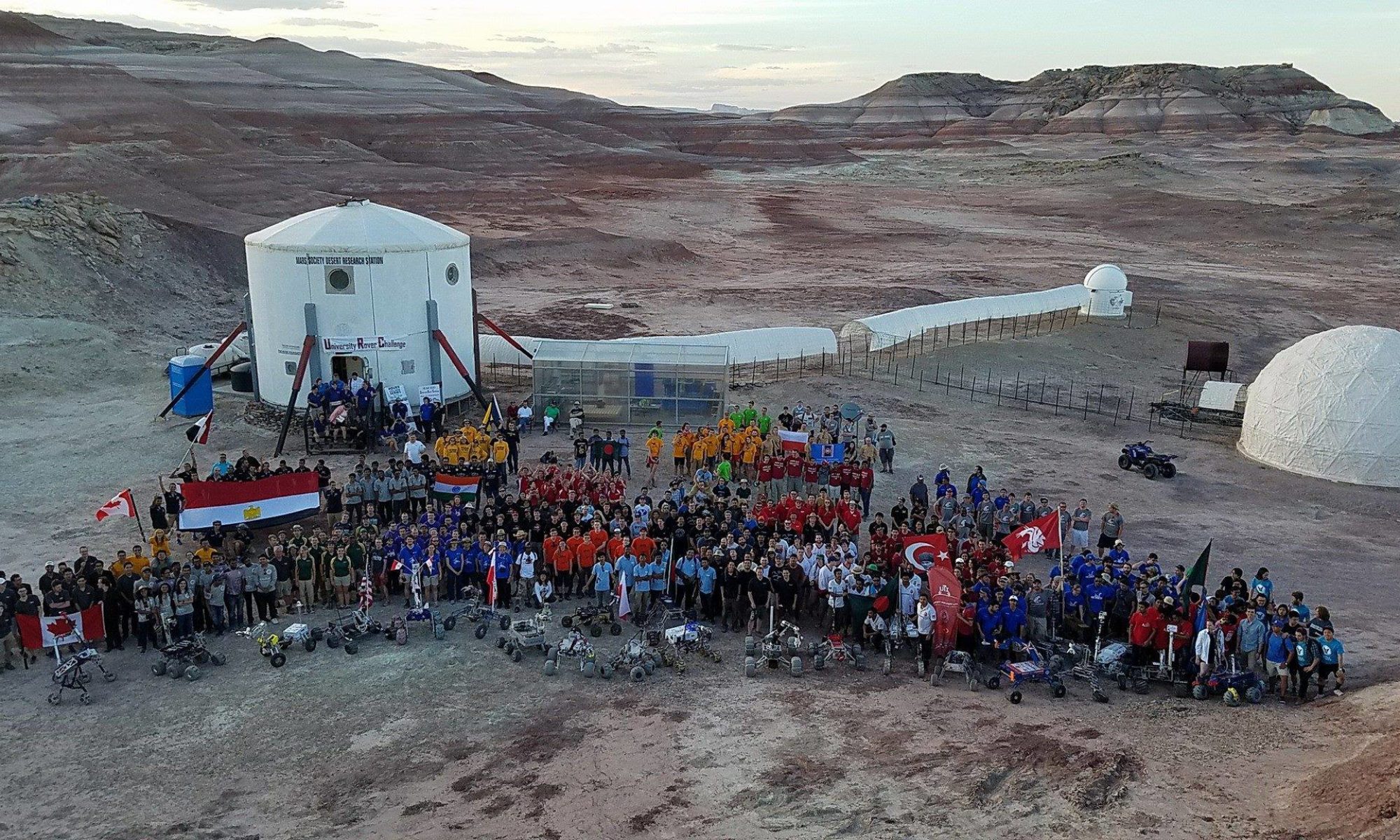
Mars Desert Research Station
Crew 331
University of Colorado MiSSE Team
The goal of our teams’ mission at the Mars Desert Research Station is to integrate medical training, engineering, and space exploration operations within a Mars mission framework. The primary objectives for today are to develop practical competencies in the recognition and management of decompression sickness, to deepen our understanding of the physiological and operational challenges posed by altered vestibular function in extraterrestrial environments, and to successfully complete our first surface EVAs.
The day will begin with a series of instructional sessions. Crew members will review the challenges of Mars operations, including the physiological effects of prolonged spaceflight and the impacts of pressure changes on the human body. Particular emphasis will be placed on identifying the key clinical signs of decompression sickness, such as joint pain, neurological impairment, and fatigue. Treatment strategies, including oxygen administration and recompression protocols, will be discussed to ensure readiness for simulated or real medical contingencies.
Following this, the crew will participate in a briefing and hands-on training session focused on the vestibular system. This session is designed to deepen understanding of how balance and spatial orientation are affected in reduced-gravity environments and how these changes can lead to space motion sickness and disorientation. Through experiential activities, crew members will examine how sensory conflict can impair performance and decision-making during mission operations.
Operational readiness will be reinforced through a comprehensive orientation to MDRS facilities. Crew members will review habitat systems, EVA preparation procedures, communication protocols, and safety guidelines to support safe and efficient mission execution. In addition, the crew will receive training in SKED stretcher use and will practice patient extrication techniques in preparation for potential field emergencies.
The afternoon will be dedicated to two planned EVAs. During these excursions, the crew will attempt to locate a simulated crashed satellite, conduct repairs on a communications relay system, and perform geological sampling in the vicinity of the habitat. These activities are intended to highlight the challenges of integrating scientific objectives with operational constraints in a Mars analog environment.
Throughout all activities, the crew will emphasize safety, teamwork, and strict adherence to protocols. Any anomalies encountered during EVAs will be treated as realistic mission events, with appropriate medical and operational responses. By the conclusion of the sol, the crew aims to strengthen both technical proficiency and its ability to respond effectively to complex, interdisciplinary challenges on Mars.